
Welcome to Greece! Where historic ruins, volcanic cliffs, and friendly locals meet the blue Mediterranean Sea. 💙🤍
🕙Duration: 2 weeks (27.10.2018 – 10.11.2018)
First things first. 2 weeks is not nearly enough time to explore Greece to the fullest, since possibilities are endless. The country is well spread out and has thousands of islands and destinations to choose from, therefore you should realize you won’t be seeing everything.
🇬🇷Our route: Athens (2 days) -> Santorini (4 days)-> Paros (5 days)-> Athens (3days)
The countries capital, Athens, is home to both the iconic Acropolis, crowded flea markets, towering temples, ruins of ancient marketplaces and so much more.
In contrast, the Greek Islands offer a fairly laid-back culture and one where there is an emphasis on enjoying life and everything it has to offer. There are many ways to get around Greece, some quicker than others.
🚌Our transport: bus, ferry, quad, motorbike
Greece is generally a cheap country and if you’re smart about where you stay and eat you can definitely save a lot. However the costs vary tremendously between the mainland and upscale islands such as Santorini. Therefore if you’re on a budget, you may have to reconsider going to that luxury island. Also, if you’re travelling in the peak season during July or August, you’ll see a significant increase in prices. If you’re looking to save more and plan to travel to islands, be sure to book your ferry tickets in advance.
For two weeks of travel, staying in moderate priced accommodation, mostly cooking our own meals but eating out here and there, taking three ferries, and renting a motorbike and a quad, we each averaged out to about 50€/day.
💸Total cost: 725€ each (excluding flights)
Things to know about Greece
➡️The real name is the Hellenic Republic
➡️The capital and largest city in Greece is Athens. (40% of the population lives here)
➡️Main language: Greek (98% of the population are ethnic Greeks)
➡️Number of islands: around 1,200 (only 227 are inhabited)
➡️Best street food: Gyros and souvlaki (found on pretty much every corner)
➡️One of the most mountainous countries in Europe. (The highest mountain is Mount Olympus, the highest peak reaches 2917 metres)
➡️The Olympic Games originated in Ancient Greece.
Day 1: Arrival in Athens
📖Information about Athens
➡️Athens is rich in cultural and historical past and is Europe’s oldest capital city with records going back to 3,400 years ago
➡️The first Olympic Games were held in Olympia, but Athens also had its own games, called the Panathenaic Games.
➡️The Acropolis of Athens, built in 448 B.C. for the Greek goddess Athena, is one of the world’s most famous archaeological sites.
➡️The first ever plays were performed in Athens. Today, there are nearly 150 theaters in the city.
➡️About 18 million tourists visit Athens each year.
➡️ Love it or hate it! Some people love the bustling, full of history, cultural city, while others are turned away by its chaos, and mismatched architecture. Decide for yourself!
📍How to get from the airport to downtown
Metro Line 3 will take you from the airport to the city center – Syntagma and Monastiraki in about 40 minutes for 10€
📸Things to do
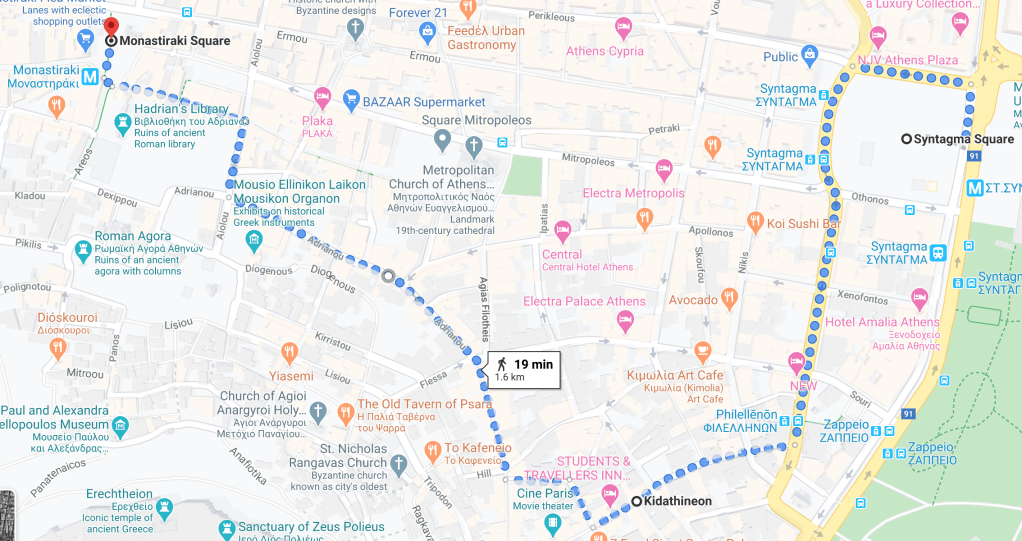
- Check in at your accommodation (take the metro from the airport) and then take the blue line 3 to Monastiraki square.
- Monastiraki square – The name ‘Monastiraki’, which means ‘small monastery’, refers to the orthodox monastery that occupied the square during the Ottoman times. Nowadays, it’s a place perfectly depicting the multi-layered mix of cultures of Greeks, lined with local shops and handcrafted trinkets. Here you can find souvlaki places and Greek taverns, traditional “kafeneio” and modern cafés, Chinese-made souvenirs next to genuine Greek art pieces and shops that sell both real antiques, as well as cheap imitations. Every other day a different street-performance act takes place and countless roaming buskers pass from here, covering all styles of music, from folk to jazz. Monastiraki conveys the cities complex and multi-faceted character, as it encompasses social, gastronomic and historic elements.
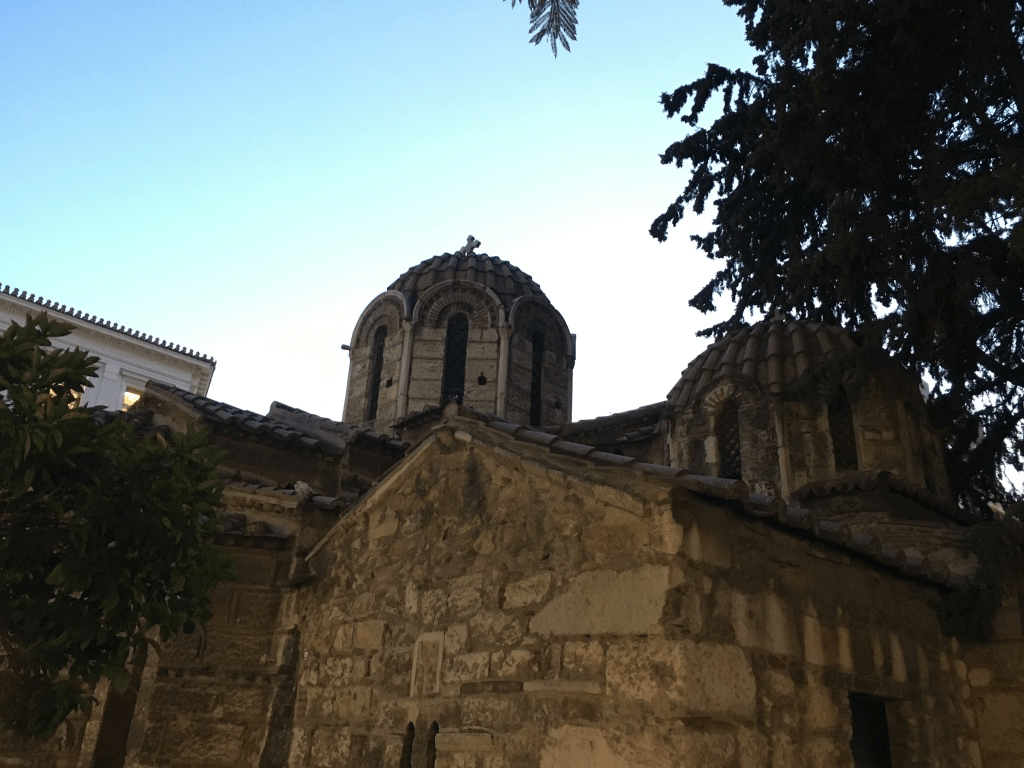
- Plaka neighborhood – The closest you’ll get to a Greek island vibe in the capital. This part of Athens is completely different: narrow cobblestone streets lined with huge trees in full bloom, tiny shops with local artisanal crafts and hip cafes. A picturesque and charming sight, it boasts restored 19th century neoclassical homes, pedestrian streets, shops and restaurants, as well as scenic ruins from the city’s Roman era. The main streets are Kydathineon and Adrianou. The Anafiotika area is a charming, older section of Plaka with narrow, photogenic streets and shops.
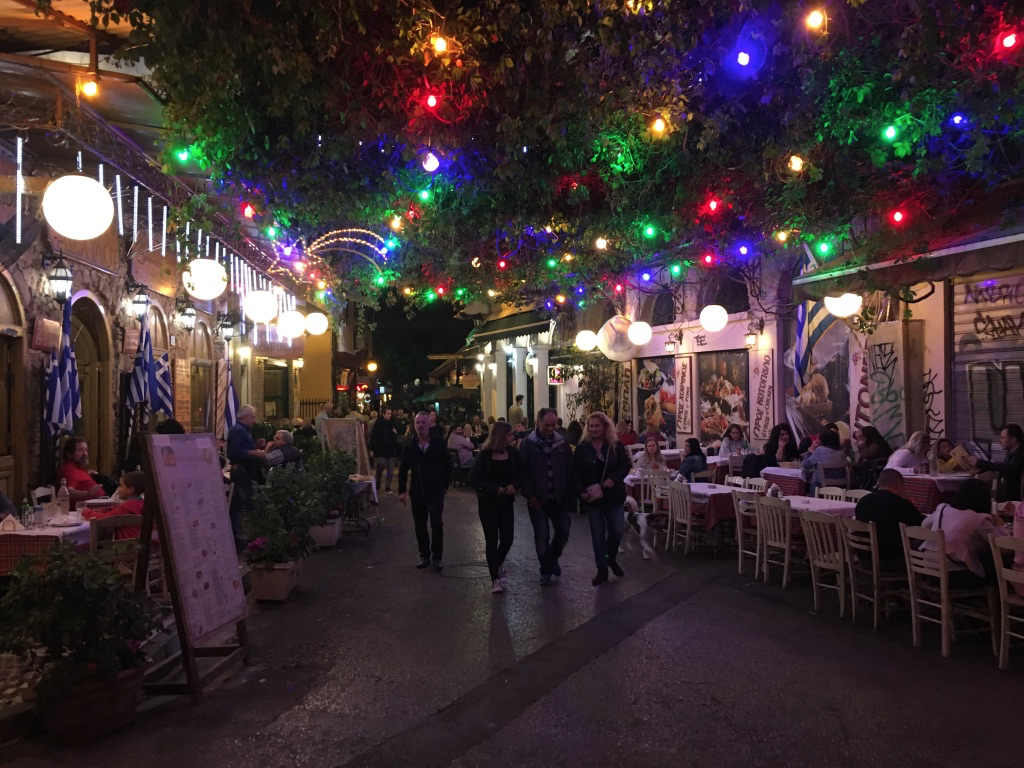
- Syntagma square – A major point of commercial, political and social life, Syntagma Square is the most important square of the city, and even the country. Its name in Greek means “Constitution Square,” a name granted by Greece’s first modern royal, King Otto, after an uprising of the people. Today, Syntagma Square continues to be the stage for demonstrations and political rallies and serves not only as a destination for travellers and tourists, but also a meeting point for locals. The tomb of the unknown soldier is also located here, commemorating every fallen soldier that died for Greece and displaying the changing of the guard every hour.
🛏Accommodation
The best areas to stay in the heart of Athens are Plaka, Syntagma and Monastiraki.
💰City Circus Athens or Athens Backpackers
💰💰 Airbnb or Elegant Kerameikos Apartment
💰💰💰Royal Olympic Hotel or Grand Hyatt
🍴Food in Athens
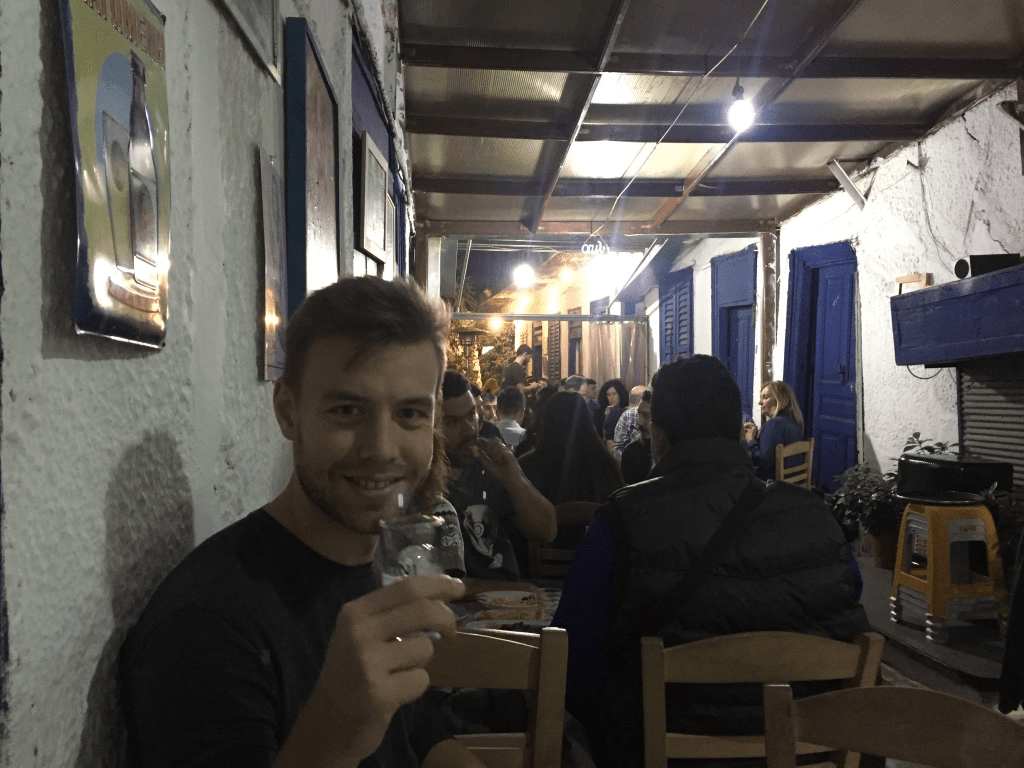
Avli psiri restaurant – a hidden tavern where locals go to eat with cheap and traditionally authentic food. We ordered a mixed plate, with ouzo and wine. Note: Avli means courtyard.
A for Athens – an awesome rooftop restaurant in Athens. The views over Monastiraki Square, the Ancient Agora, and the Acropolis are great!
☕Greek Coffee
Freddo cappuccino (espresso with frothy milko), frappe (instant coffee, water, sugar), freddo espresso (espresso over ice).
🥃What is Ouzo?
Ouzo is an anise-flavored liquor produced from grape must (the remnants of wine-making. No other beverage is as uniquely Greek or as closely linked to a culture as ouzo is to Greece.
Day 2: Athens
Things to do 📸
Note: for today get the Combination Ticket (€30) that admits you into the Acropolis, Kerameikos, Ancient Agora, Roman Agora, Hadrian’s Library, Temple of Olympian Zeus, and Aristotle’s Lyceum.
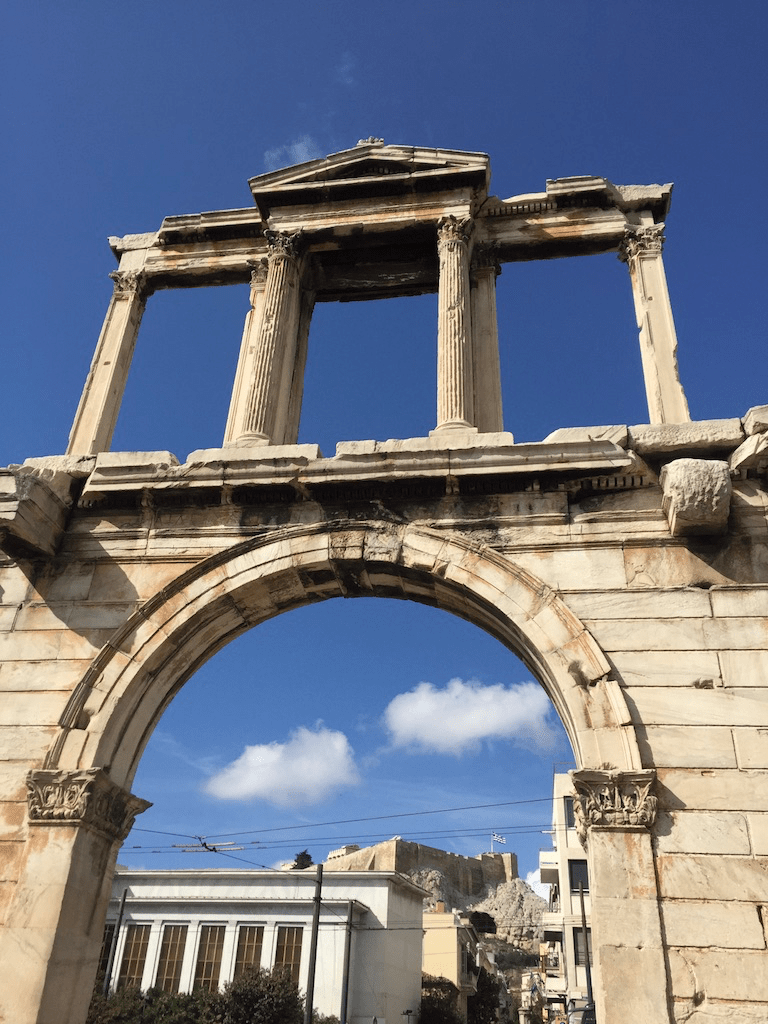
- Haidrians Arch – The Arch of Hadrian is a triumphal arch which lies in a walking distance from Syntagma square, right between the rock of the Acropolis and the temple of Olympian Zeus. Symbolically the location of the arch was to mark the line between the ancient part of Athens and Hadrian’s new city.
Note: The closest metro station is “Acropolis” on line 2. Or Syntagma (line 3) is 10 minutes by foot. Beware of street peddlers trying to sell you overpriced souvenirs.
- Temple of Olympian Zeus – Zeus was the king of the Greek gods who lived on Mount Olympus. He was the god of the sky and thunder. His symbols include the lightning bolt, the eagle, the bull, and the oak tree. He was married to the goddess Hera. Construction of this temple began in the 6th century BC and back in the day it was said to have been one of the grandest. It once had 104 large columns that still are a great example of Corinthian order of Classical architecture (the other two orders of Classical Greek temples are Doric, Ionic).
- Acropolis Museum – The Acropolis Museum is an archeological museum that houses the artifacts found on the Acropolis and the surrounding slopes.
- Theatre of Dionysus – Was the world’s first theatre and built to honor Dionysus, the god of wine. Situated at the foot of the Athenian Acropolis, both comedies and tragedies were performed at this large outdoor theatre and were part of competitions that anyone could attend.
- Odeon of Herodes Atticus – This impressive open-air theatre was completed in 161 AD. It was used as a venue for music concerts with a capacity of 5,000.
- Temple of Athena Nike – This temple is easily overlooked as it is quite small, only 3 metres in height. You can get a good view of it as you enter the Acropolis. Nike was the goddess of speed, strength and victory. Athenians left offerings and prayed that she would help them defeat Sparta in the Peloponnesian War. Unlike other Nike statues which usually had wings, the one at this temple was wingless so that victory could never abandon the city.
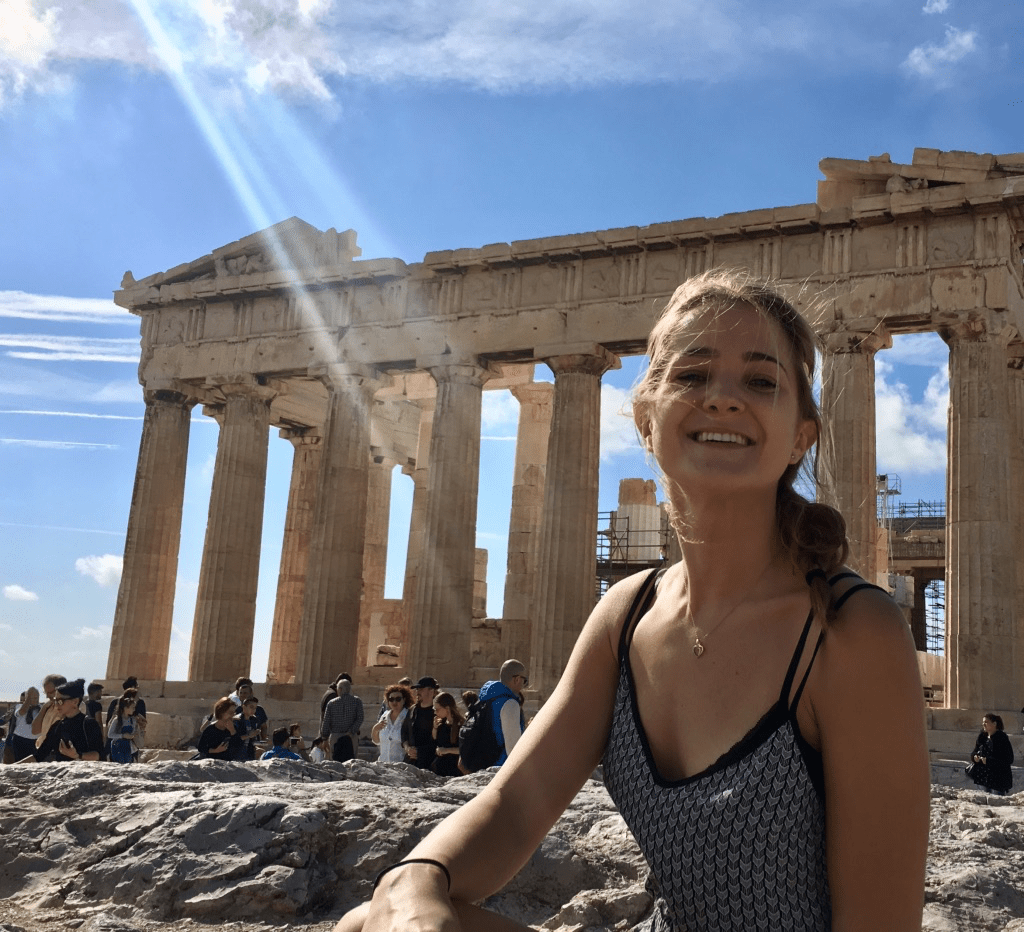
- The Parthenon – this temple dedicated to the Greek goddess Athena (patron of the city), dominates the hill of the Acropolis and is probably the first thing that comes to mind when thinking of ancient Greece. Its name translates to “unmarried women’s apartments,” although it is unclear where this originates from. Building started in 447 BCE, it took nine years for the structure to be completed and an additional six to finish all of the decorative elements. It is considered to be the culmination of the development of the Doric order, the simplest of the 3 orders. The purpose of the Parthenon has changed over its 2,500-year history, beginning first as a temple, then a treasury, byzantine church, roman catholic cathedral, mosque, storage of Ottoman ammunition and finally an army barrack during Greece’s war for independence. Now it draws millions of visitors each year who flock in to appreciate its majestic form.
Tip: Get here early, as it gets busy really fast.
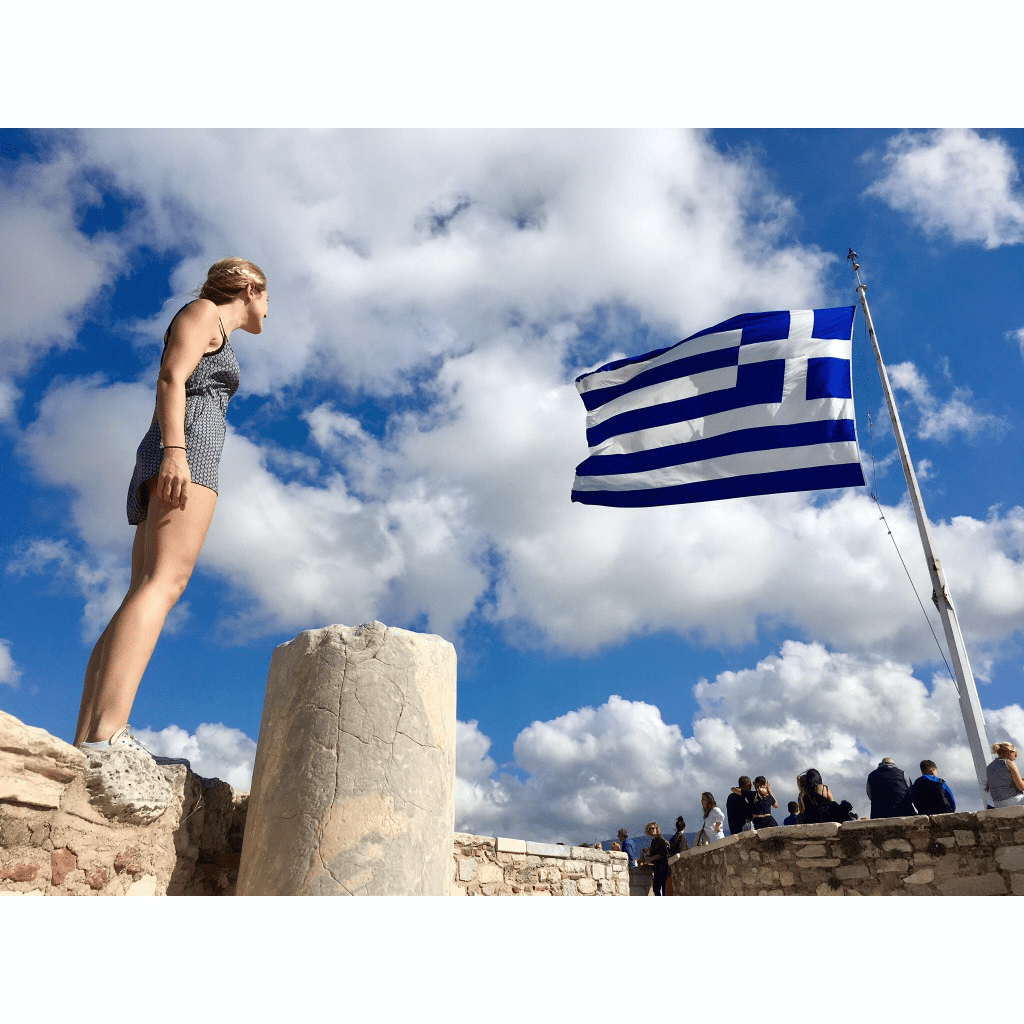
- Areopagus Hill – Exit the Acropolis from the main gate and then it’s just a short walk to Areopagus Hill. Also known as Mars Hill, you get one of the most iconic views of the Acropolis from here. It was here Apostle Paul is said to have given the sermon proclaiming that “The God who made the world and everything in it is the Lord of heaven and earth and does not live in temples built by human hands”.
- Ancient Agora – For 5,000 years, this area was used as a marketplace, gathering place, and residential area. The ground of this large site is littered with the ruins of buildings and walkways. Located in the Ancient Agora is the Temple of Hephaestus, one of the best-preserved Greek temples. It was constructed in the 5th century BC to honor the god Hephaestus, the patron god of fire, metal working, and craftsmanship.
- Hadrian’s library – It was built in 132 AD under the rule of Roman Emperor Hadrian. It was built to house rolls of papyrus books.
- Roman Agora – This market and collection of buildings was built in the first century BC during the rule of Julius and Augustus Caesar. The main entrance is through the Gate of Athena. The Tower of the Winds is considered to be the world’s first meteorological center, featuring a sundial, water clock, and wind vane.
Try a treat 🍮
Spanakopita pastry filled with spinach and feta. Find it in bakeries for ~2€ or upgrade to Yiasemi café for homemade tarts and pies.
Or maybe some Yogartlu? 🥙
O Thanasis is one of the most popular places to eat in Plaka. The best thing to eat is the Yogurtlu, which is a beef kebab covered in yogurt on a bed of pita bread. (9€)
Day 3: Ferry to Santorini ⛴️
📍How to get from Athens to Santorini
Athens downtown to Piraeus ferry port — You have to change metro line at Monastiraki station (blue line 3) and follow the green line to Piraeus (line 1)
Ferry departure: Piraeus ferry port, Athens 7:25am
Ferry arrival: Athinios ferry port, Santorini 3:10pm
Duration: ~8 hours
📖Information about Santorini
➡️A giant collapsed crater that resulted of a massive eruption in the 16th century
➡️Most romantic island in Greece (infinity pools, luxury restaurants, stunning sunsets)
➡️Main towns are Fira and Oia
➡️Part of Cyclades island group
➡️The island is 77km2
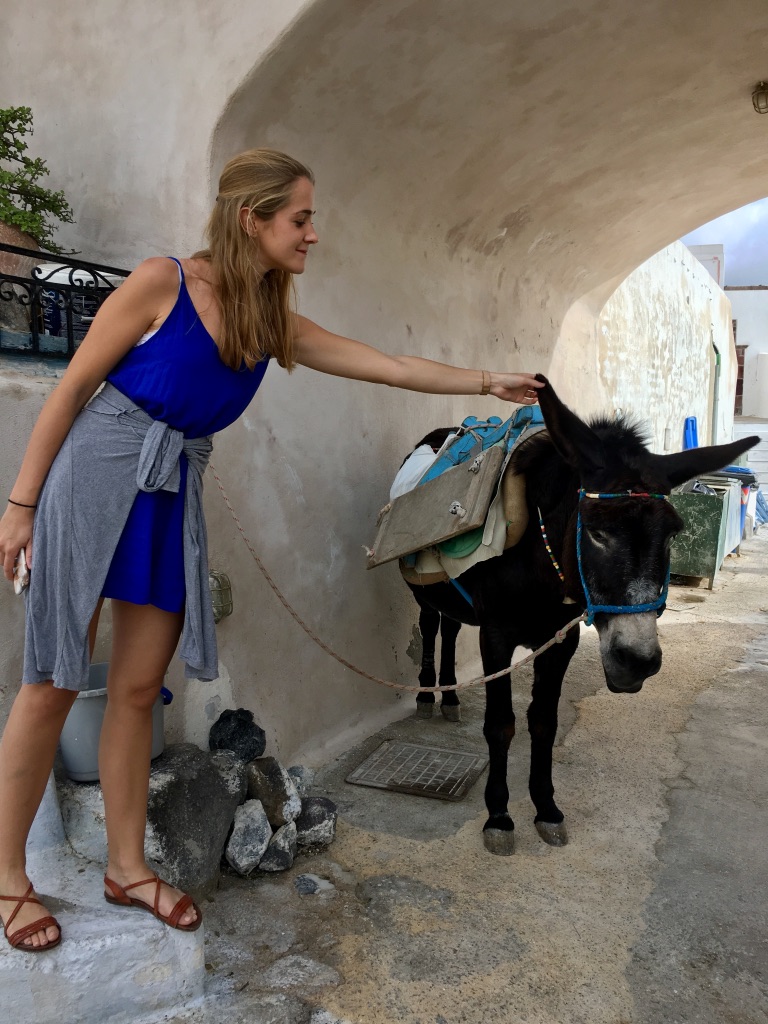
➡️Do not ride the donkeys! There are more donkeys than men on this island, keep it that way!
🔀How to get around Santorini
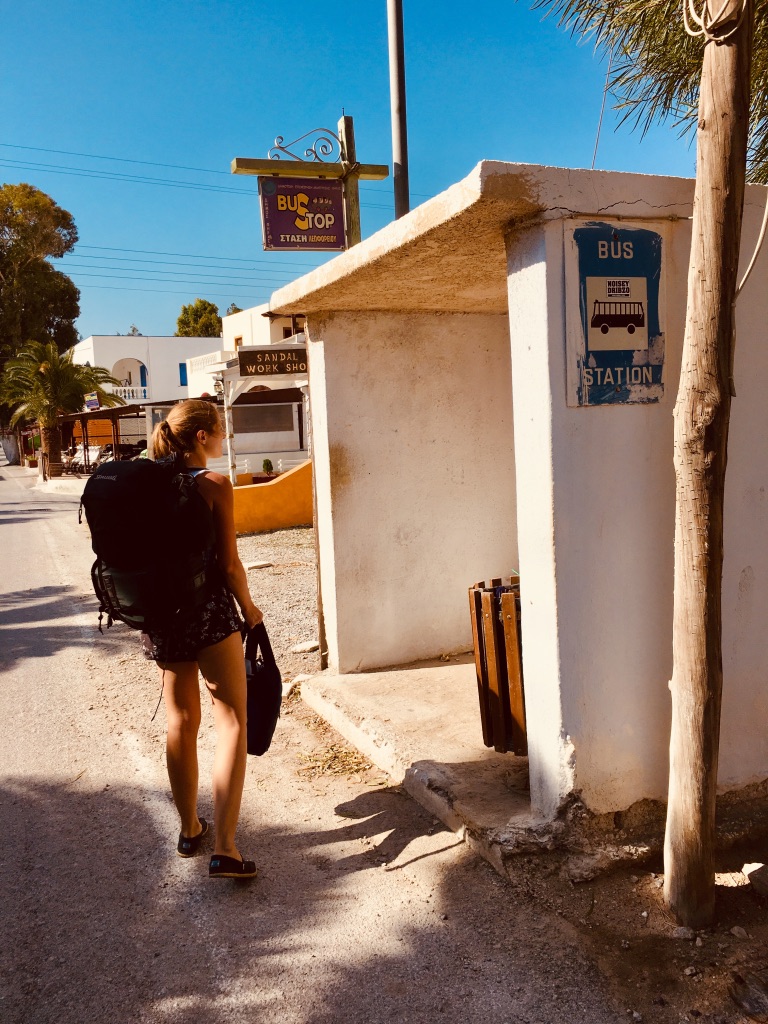
You can walk most of the time (especially in Fira and Oia), bus or rent a motorbike or quad if you want to go around the whole island.
Where to watch the sunset in Santorini 🌅
➡️Fira
➡️Oia
➡️Skaros Rock, Imerovigli
➡️ Akrotiri Lighthouse
Things to do 📸
- Bus from the port to Fira (30mins – 4.60€ ) and then to Perissa (20mins – 2.40€)
- Perissa – is a coastal village with a beautiful beach characterized by deep, dark blue waters and black lava sand. Perissa beach connects with Perivolos and there are plenty of nightclubs, restaurants, taverns and cafes to choose from for jolly moments, day and night. In the village you can find mini markets and many other shops with clothes, souvenirs and anything you may need.
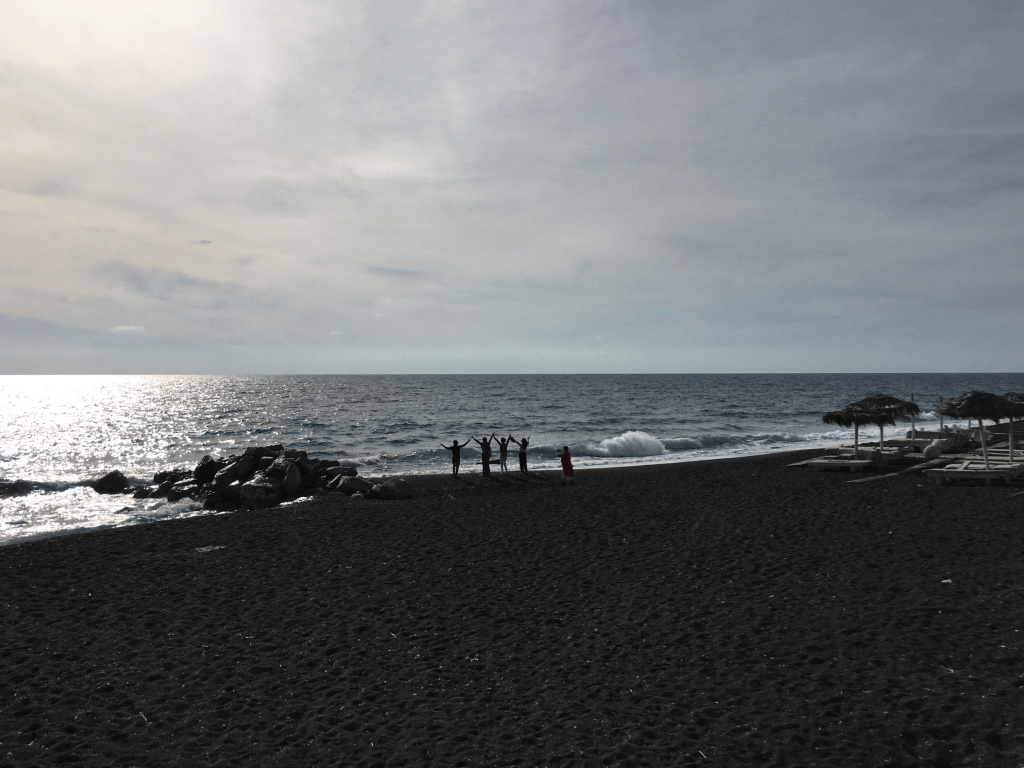
- Hike Mesa Vouno – on the summit of the mountain are the ruins of Ancient Thera town, a prominent archaeological site with various eminent monuments. On the slopes of Mesa Vouno mountain, built on an enormous rock, is the tiny, white washed chapel of Panagia Katefiani, from where you can enjoy a tremendous view of Perissa or Kamari. The hike takes about 1 hour.
🛏Accommodation
Perissa: Philoxenia Hotel & Studios ($), Airbnb ($$), Anastasia Princess Luxury Residence & Suites ($$$)
Fira: Kavalari Hotel ($), Dream Island Hotel ($$), Athina Luxury Suites ($$$)
Oia: Zoe Aegeas ($), Captain John ($$), Katikies Hotel ($$$)
🍴Food in Perissa
💰Gyros Palace, Perissa – “Gyro” is any meat that’s been cooked on a vertical rotisserie. Usually, it’ll be chicken or pork wrapped up in a pita alongside tomatoes, onions, and fries. Souvlaki is skewered meat with a few vegetables sometimes thrown in.
💰💰Mezedaki or Fratzeskos Fish Tavern
Day 4: Santorini
- Rent a quad (We got one in Perissa for ~30€/day) and drive the 8km to Fira, the beautiful capital of Santorini and the biggest and most cosmopolitan settlement.
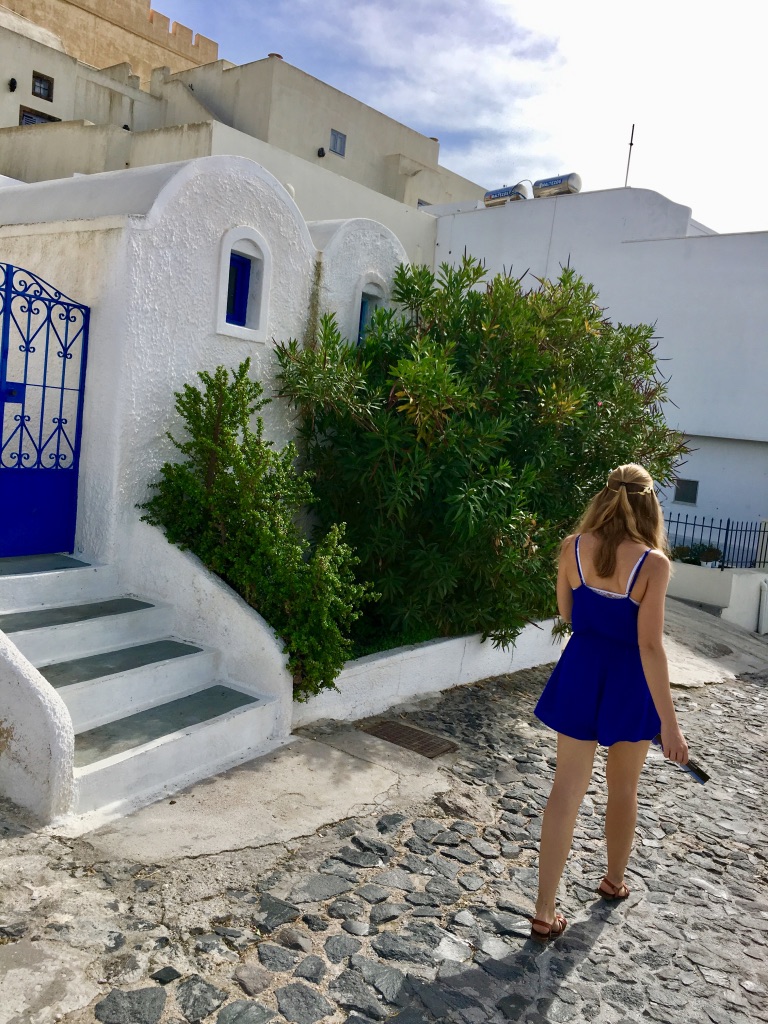
- Explore Fira – Fira is a city of white-washed houses and churches built on the edge of the 400m high caldera. It is a combination of natural beauty, social life, night life, and shopping, where you can feel the liveliness of the island and where all the action takes place. A walk to the scenic alleys during the daytime will fill you with harmony, while at night you can find yourself in the middle of a big party. There is a wealth of restaurants, cafes, bars and clubs where you can relax and enjoy the tremendous view or dance and have fun. Two of the exceptional museums of Santorini are situated in Fira as well, the Archaeological Museum of Thera and the Museum of Prehistoric Thera, which offer a multitude of relics and historic items from the whole island.
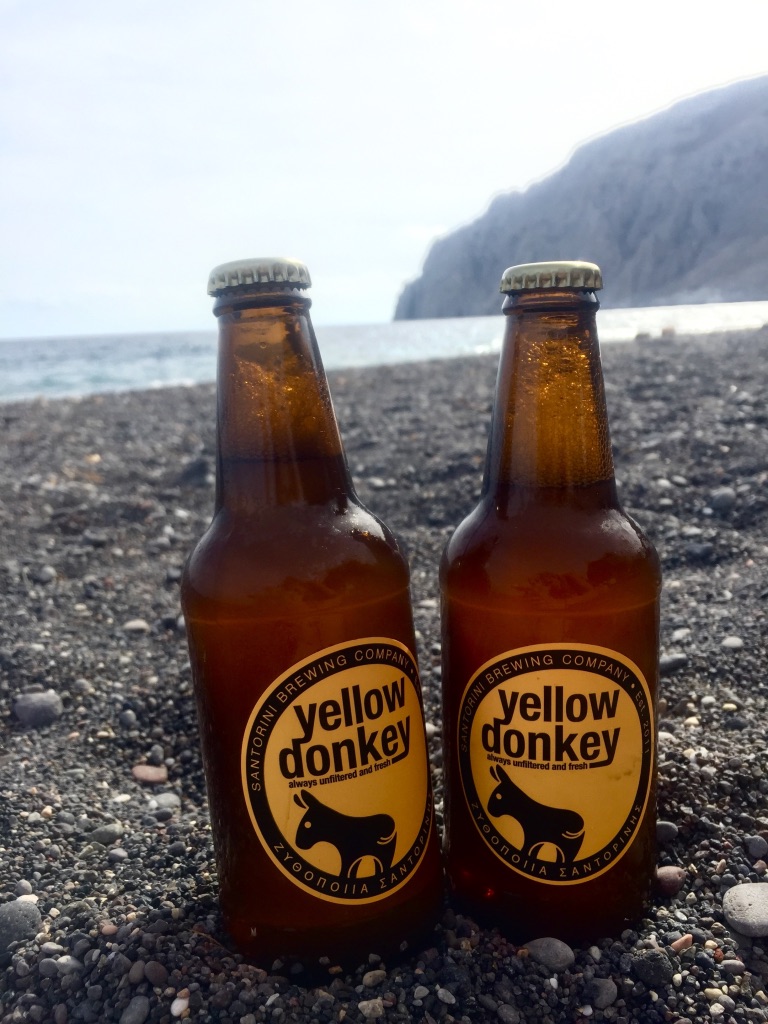
- Santorini Brewing Company – The company opened in 2011 and is the first and only brewery on the island. The brewery uses locally grown wheat, hops, and barley, but imports malt from Bosnia. Try their yellow, red and silver Donkey Beers!
- Kamari beach – this beach is one of the most popular and most visited beach resorts in Santorini. It is located in the seaside village of Kamari, which has a long promenade for a pleasant stroll overflowing with shops, restaurants, taverns and cafe-bars where you can relax and enjoy the sea breeze. You also have the chance to listen to traditional Greek live music. The name Kamari comes from a small arch, which was part of an ancient sanctuary dedicated to Poseidon, standing on the south end of the beach. The beach is composed of black volcanic sand and deep crystalline waters. You can try diving or snorkelling at the diving center, or more adrenaline activities like water skiing or surfing. Like Perissa, Kamari is also at the foot of imposing Mesa Vouno Mountain (but on the other side), so if beaching is not your thing, you can also choose to hike the mountain from this side.
- Pyrgos – this village is the highest settlement of Santorini providing views of the whole island. You can set eyes on green valleys, the vast sea and the whole island unfolding below your feet. Pyrgos remains traditional, accordant to the Cycladic architecture. The fact that it is slightly undeveloped with narrow, winding paths and stone houses makes it adorable. Pyrgos is surrounded by blue domed churches and vineyards. Here and there you will meet small galleries and shops tucked into hidden corners, as you get around the successive, uphill and downhill alleys. As you are ascending this hillside village you will reach the Venetian Kasteli, one of the five castles of Santorini, where the view is unexampled. It is built amphitheatrically with three churches in and around it, one of which is the church Theotoki or Koimisis of Theotokou that is believed to be one of the oldest churches of the island.
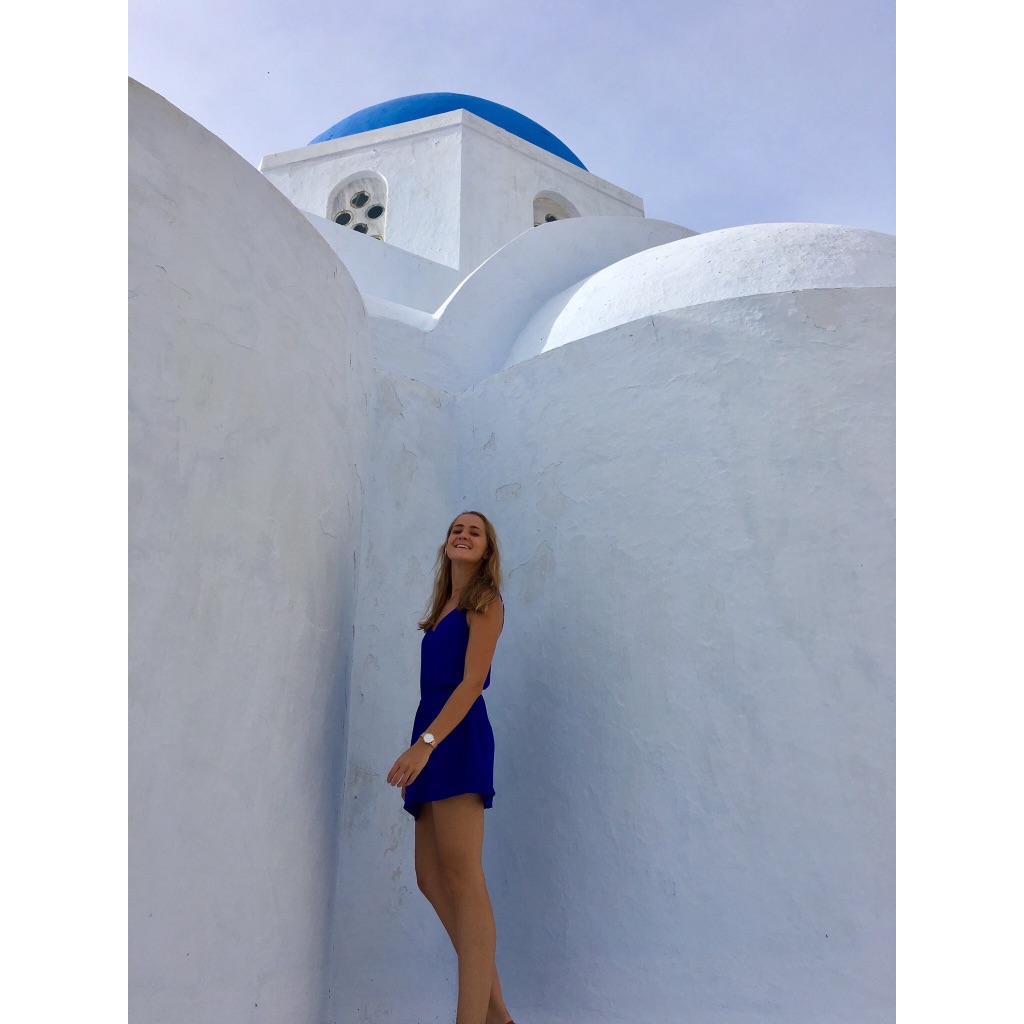
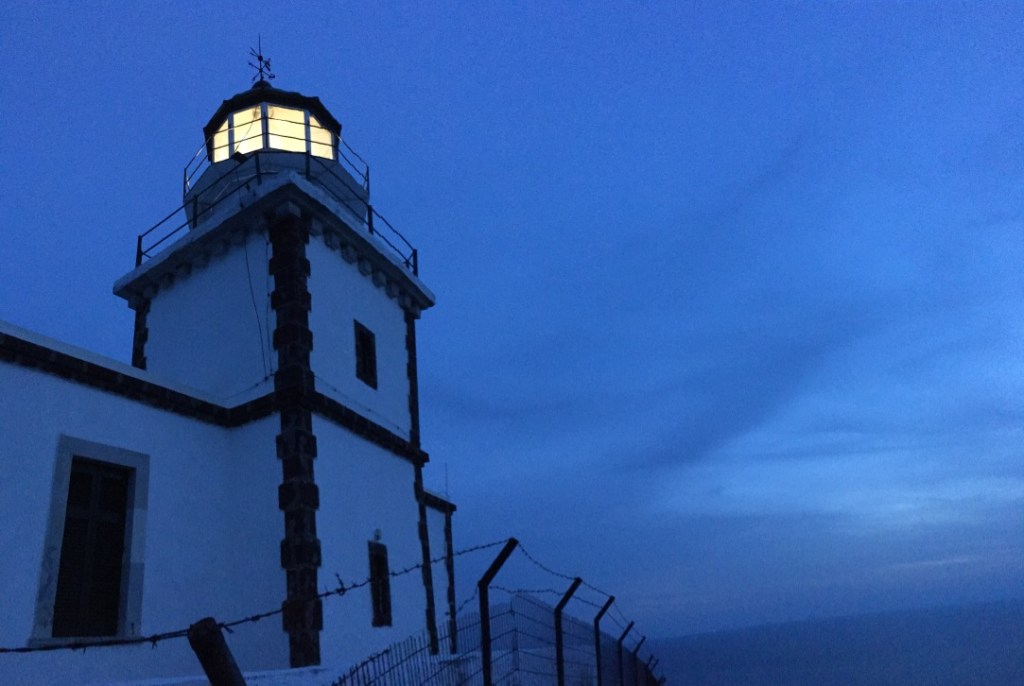
- Akrotiri – a quiet village, not as popular and developed, but of great interest and importance. It is situated on the south west edge of Santorini, offering exquisite views of the island. It’s particularly famous for its lighthouse from where you can relish majestic sunsets and its historic Venetian castle with a 13th century tower.
- Go back to your Airbnb and cook an authentic Greek meal. If you don’t have the option to cook, check out other local places in the area in which you are staying.
🍴Food in Fira
💰 Falafeland
💰💰Argo
💰💰💰Metropolis Str.
Own meal – Greek salad, potatoes and eggs with onions feta and tomato
Day 5: Santorini
- Red beach – this beach, located in Akrotiri is one of the most scenic and interesting beaches on the island unfortunately due to a landslide it is almost completely inaccessible and very dangerous to get to by foot. Therefore it recommendable that if you choose to go there, you can should access it by boat from Akrotiri port, Kamari or Perissa. Even when admiring from a far, it’s quite a majestic sight, enclosed by steep red hills that create a captivating, wild scenery.
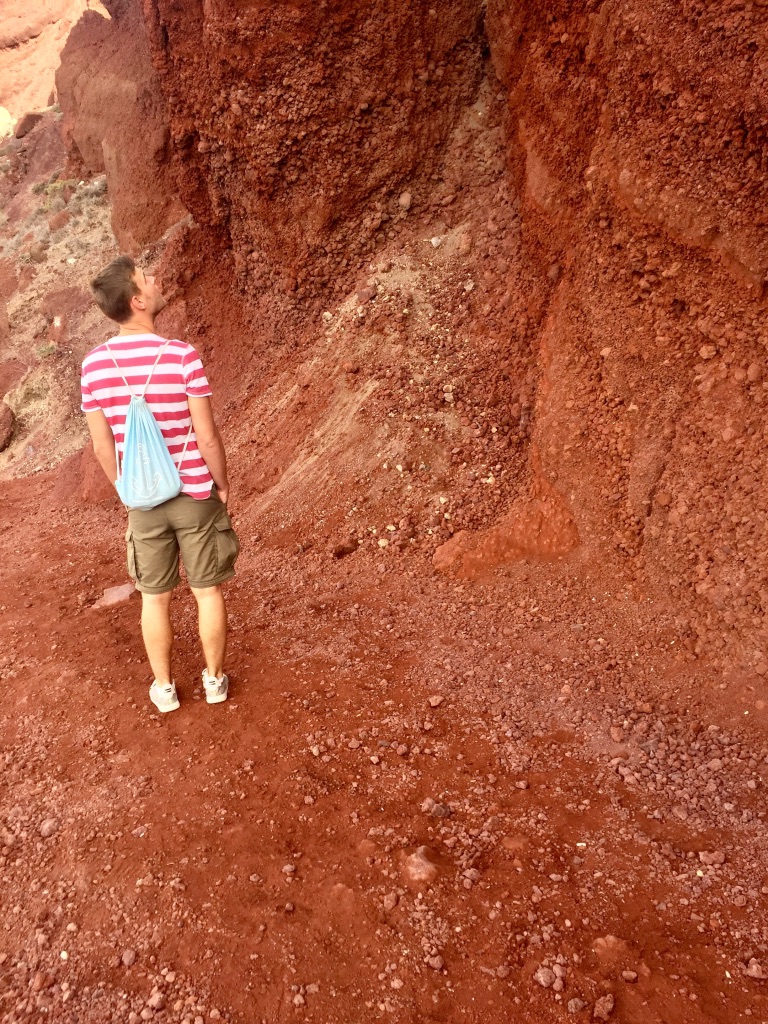
- White beach – another beach which is hard to access is the White beach, also located in Akrotiri, therefore its mostly suitable for those who love adventure. However, the landscape is totally rewarding and you’ll reach white pebbled beach surrounded by white towering cliffs that form a beautiful, small cove. White Beach is not that popular so it remains quiet and isolated creating an ideal site for relaxation and peaceful moments.
- Imerovigli – this village also known as “The balcony to the Aegean”, is built on the highest point of the caldera cliffs, about 300 meters above sea level. Its position provides a magnificent view of the famous volcano, the sparkling Aegean Sea and offers beautiful sunsets. An immense rock called Skaros, is the most notable attraction. It was one of the five fortresses of Santorini and was once an observation post providing security from pirates. Today you can admire the remains left after the earthquake of 1817. There are numerous churches and chapels in Imerovigli, among them the prominent church of Panagia Malteza and the chapel of Panagia Theoskepasti, built on the cliff edge in front of Skaros offering a unique panoramic view of the caldera. Imerovigli is an ideal choice for a private, romantic holiday filled with tranquility. It offers a unique scenery of whitewashed houses, flowers and cobblestone alleys, allowing you to wander through the peaceful, paved paths escaping from the hustle and the bustle.
Note: On the way to Imerovigli we stopped in Fira and booked a day trip for tomorrow
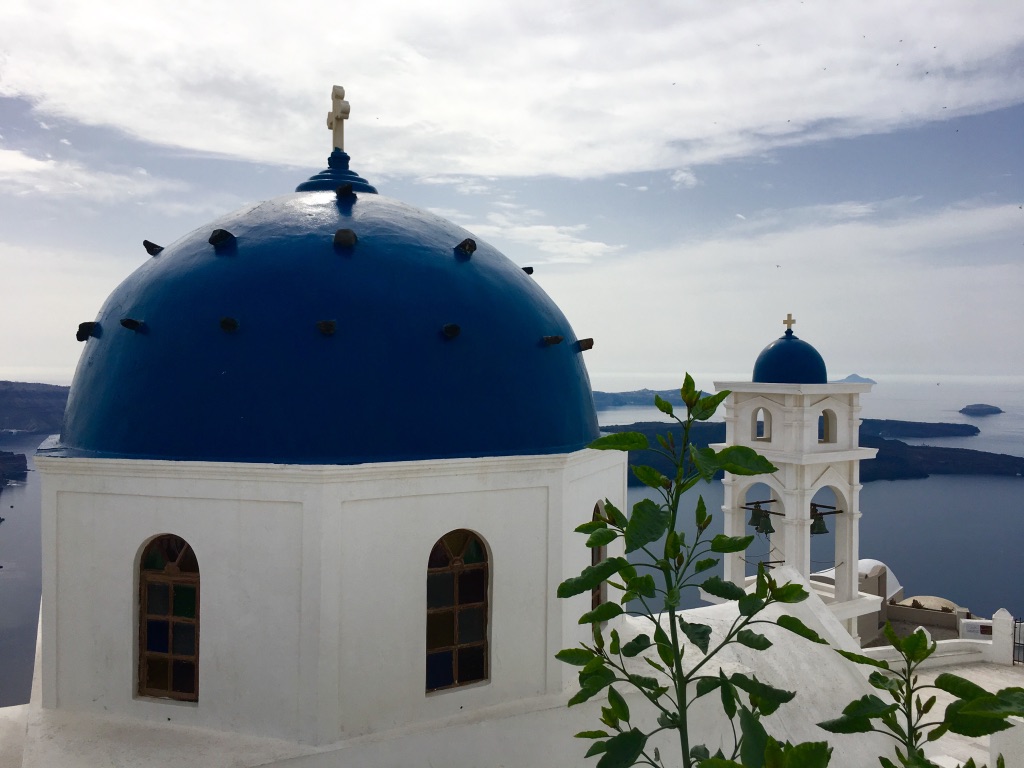
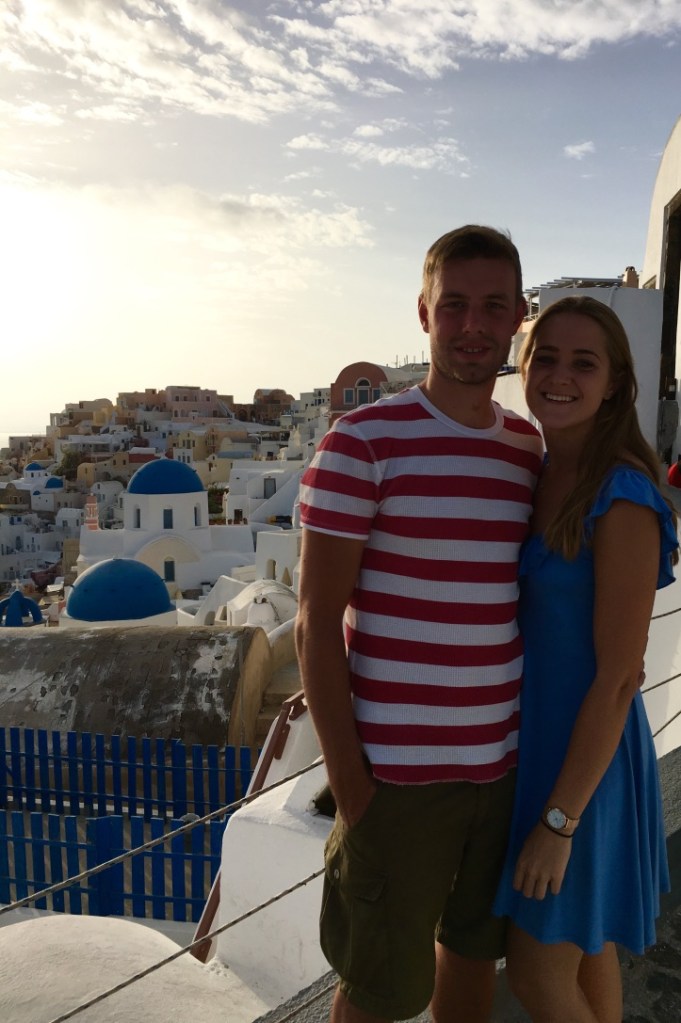
- Oia – this is the postcard village of Santorini, the most picturesque place, offering the best view of the most famous sunsets in the world. Its beauty is unprecedented.
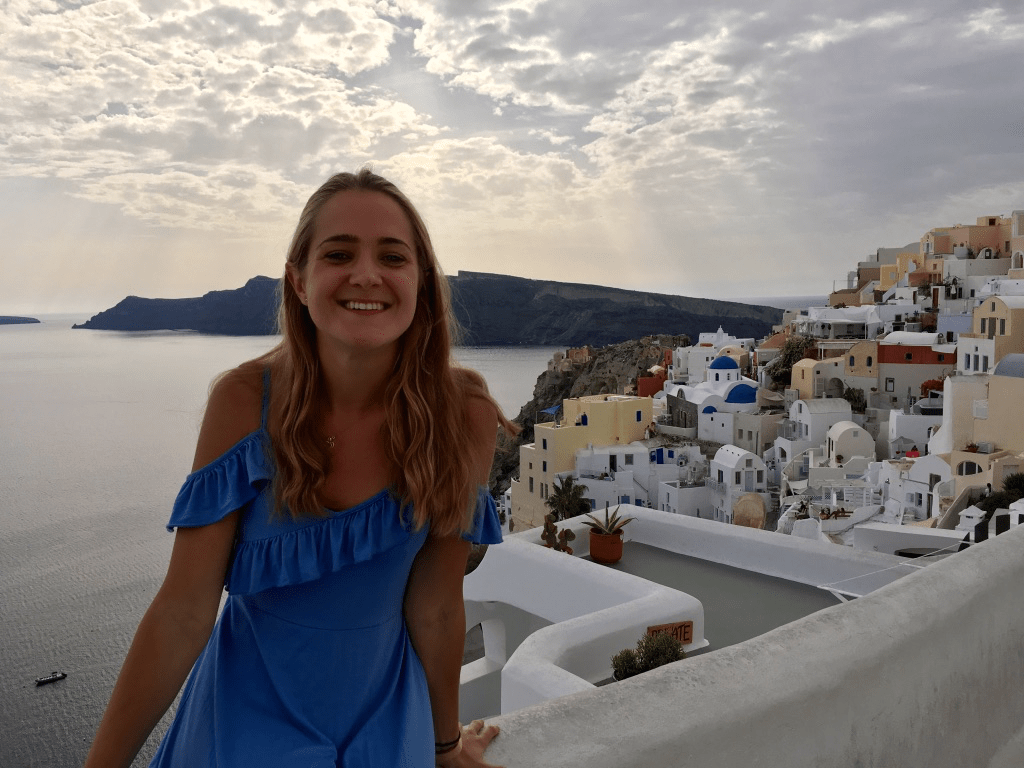
It is a conglomeration of white-blue houses and churches, with pink and deep yellow details, suspended on the caldera, composing a colourful canvas that is difficult to put into words. It is a peaceful and idyllic village that comes alive during the sunset time.
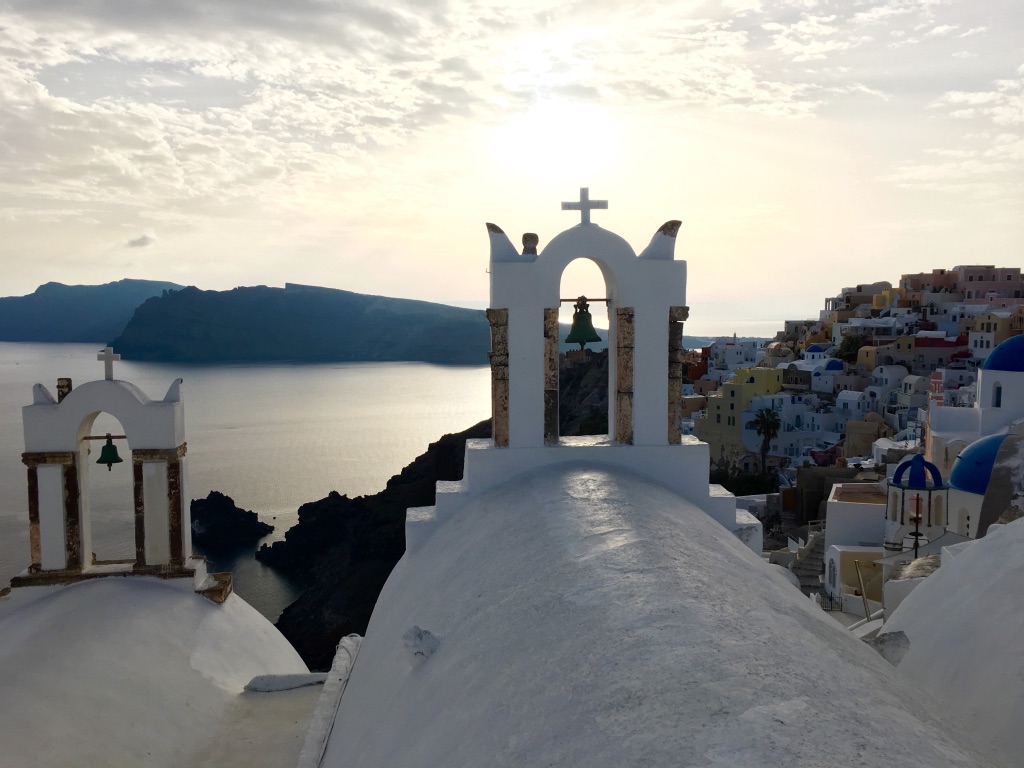
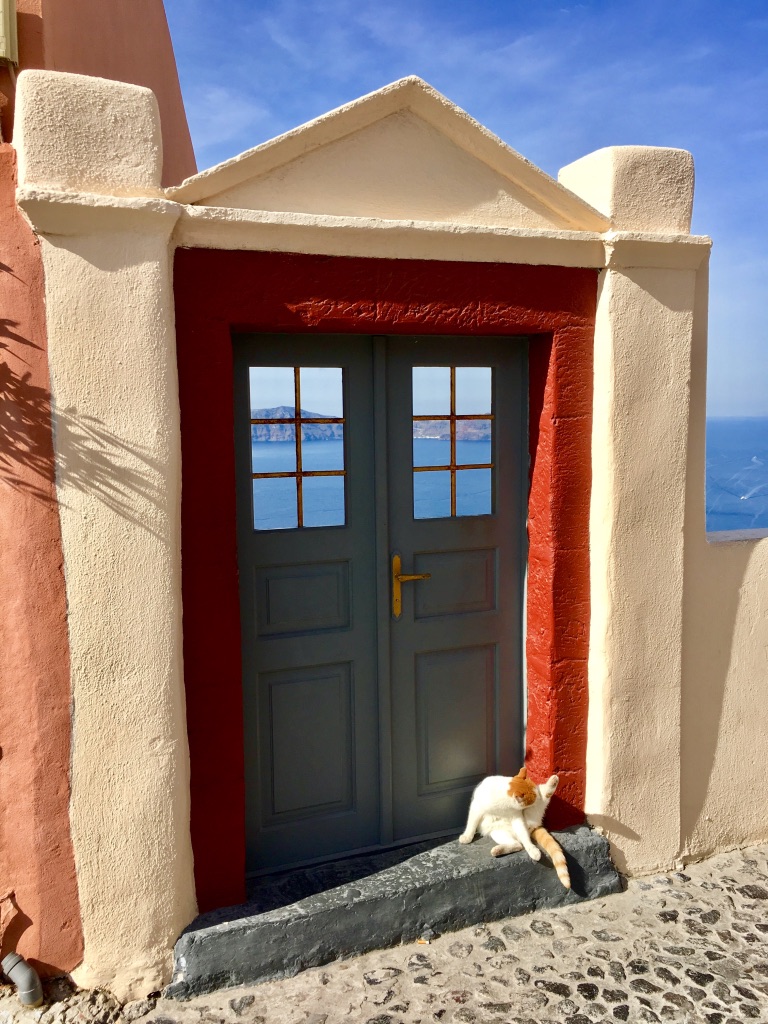
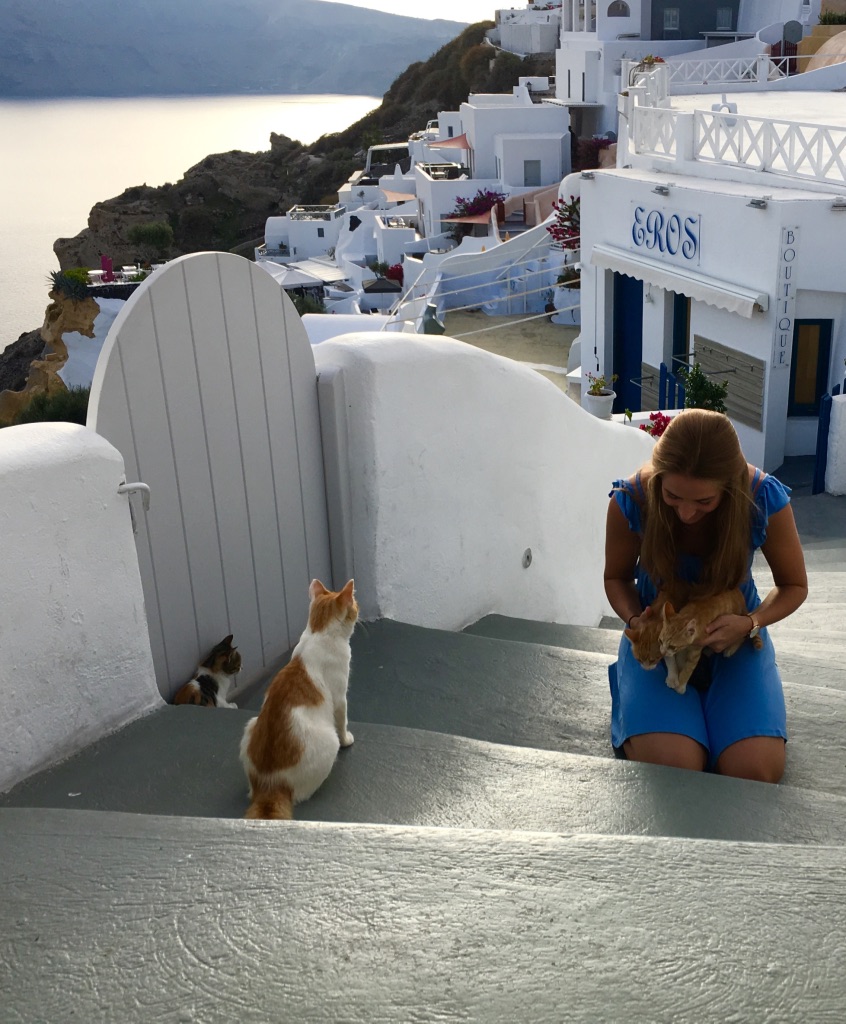
In Oia you can stroll in the charming narrow paths, visit shops, galleries and enjoy the atmospheric cafes, bars and restaurants. At the bottom of the village is Ammoudi Bay where there is a row of traditional taverns by the sea with local food. Also cats are everywhere!
You also have the chance to visit one of the wineries of the island in Oia and taste the local delicious wine. Finally, make sure to definitely set your eyes on the characteristic windmill that embellishes the village.
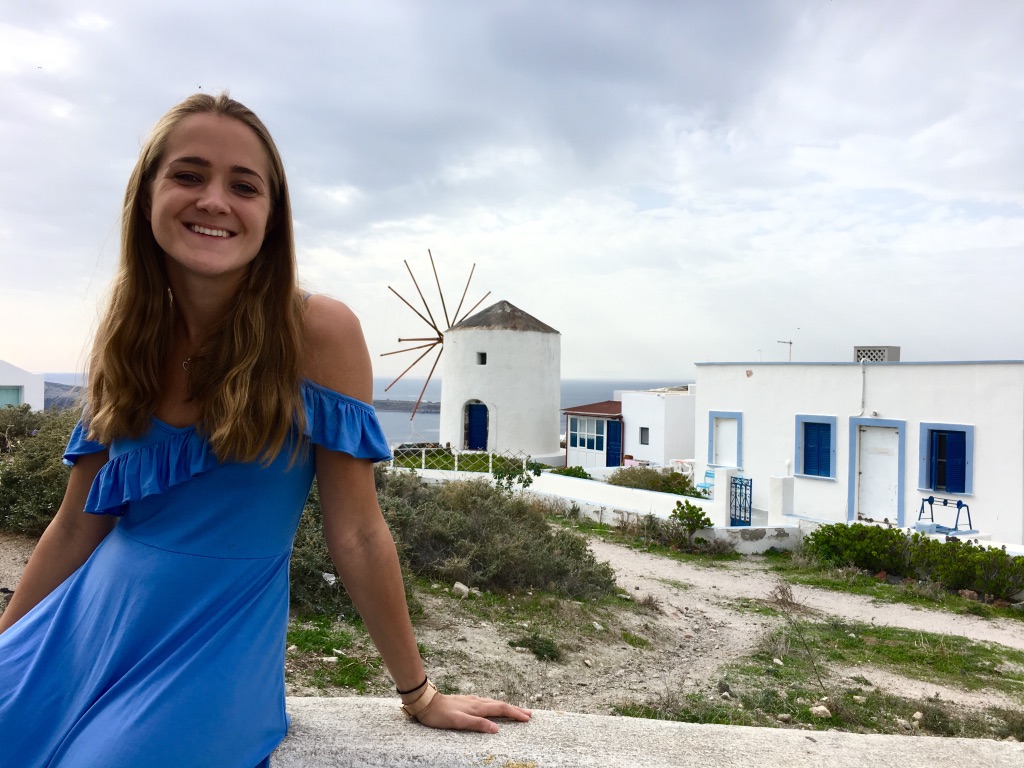
The sunset in Oia holds a whole different meaning. It is the time of the day when you can experience a brand new sensation. All visitors and locals gather in streets, stairs and rooftops in order to cherish the sunset. It is like a big celebration, which takes place every evening anew and ends when all people together, as a big company, clap their hands the moment the sun dims in the sea.
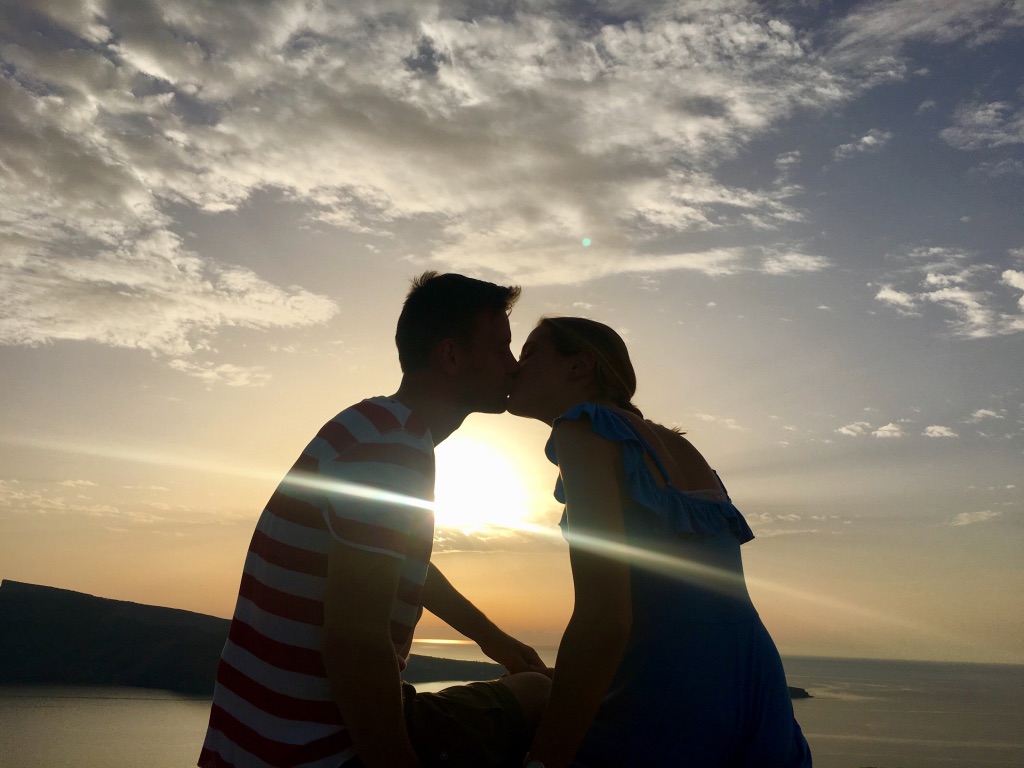
- Head back to Perissa after watching the sunset, and give back the Quad.
🍴Food in Oia
💰Pitogyros or Nikos Place Gril House
💰💰 Santorini Mou or Ammoudi Fish Tavern
💰💰💰 Lauda restaurant or La Colline
Own meal – Soutzouki sausage (spicy Greek/Turkish sausage), potatoes, and feta sauce
Day 6: Santorini (day trip to Nea Kameni)
- Note: pack a swimsuit (not white), a towel and some sunblock
- Bus from Perissa to Fira and then walk on the old donkey trail from Fira down to the Old Port. This walk among all the donkeys is not for the faint-hearted, especially in the heat. If the 587 steps don’t get you, being on alert for the donkeys weaving their way down, as you sidestep their droppings, will. Don’t ride the donkeys!
- Board your ship, ready to set sail to Nea Kameni. The ride takes about 10 minutes.
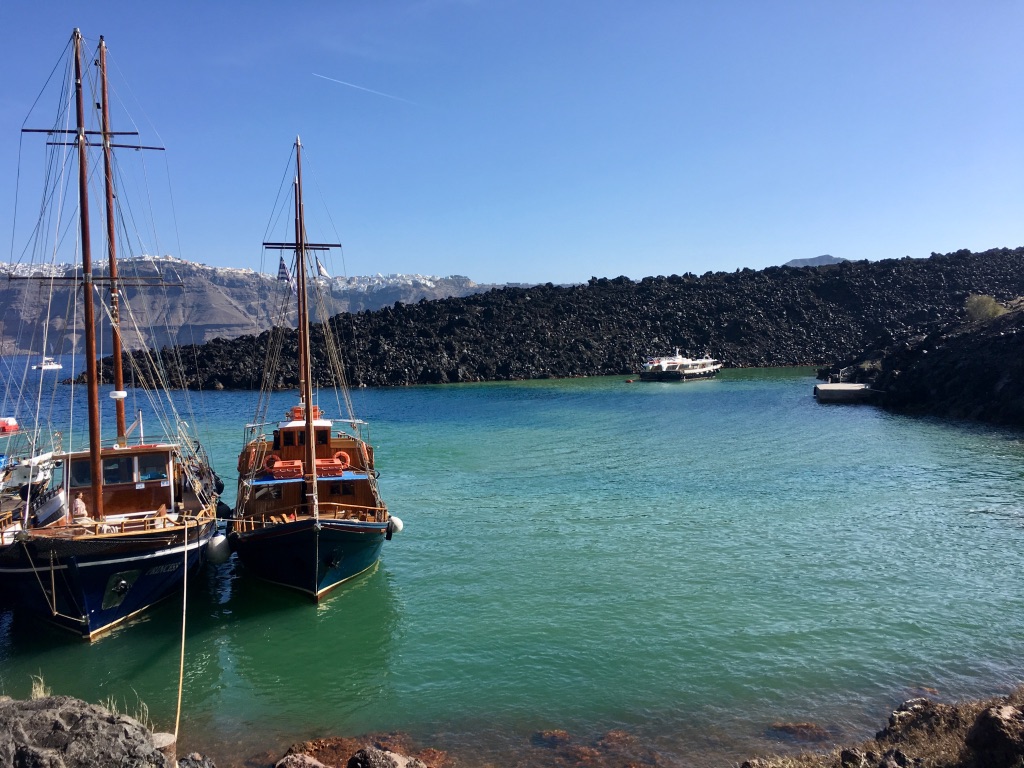
- Nea “new” Kameni – is an uninhabited volcanic island formed only 450 years ago through repeated eruptions of lava and ash. The island has many active sulfur vents, as well as a carpet of red grassy succulents on the thin soil in the summertime. Take the gravel path to reach the top of the 130-meter-high volcanic crater, where you can walk a full circle along its diameter.
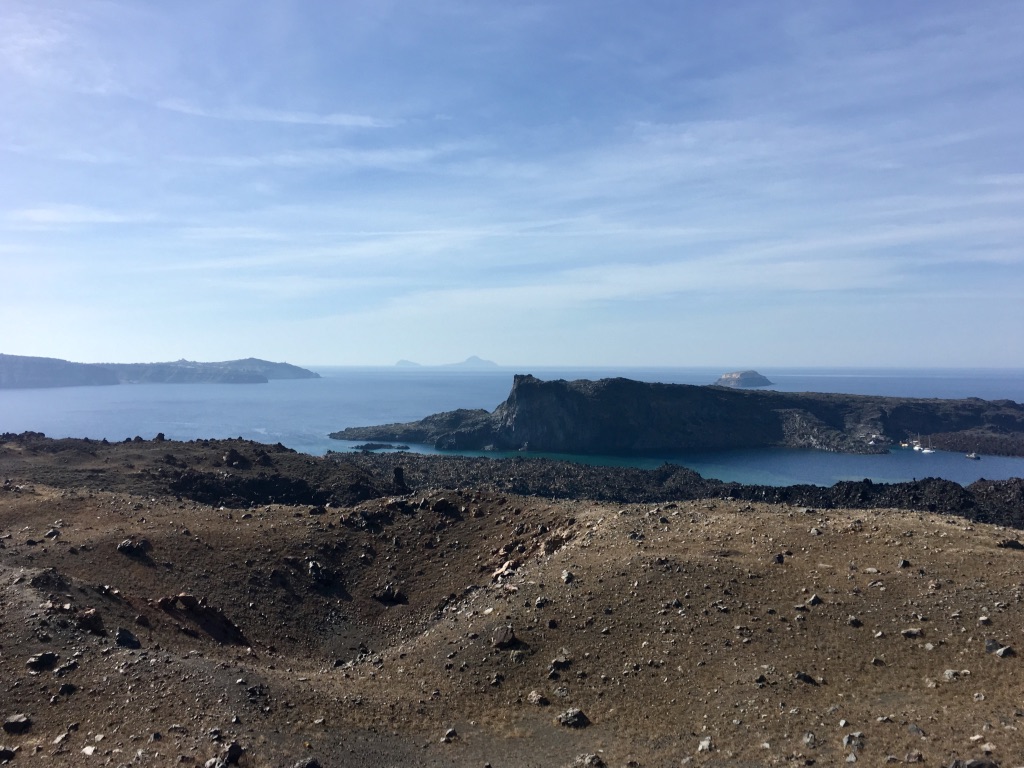
- Palea “old” Kameni – is less than 2000 years old. The volcanic hot springs on this small inhabited island in the heart of the caldera attracts hundreds of travels on boat tours everyday. The yellow sulphur-enriched waters are therapeutic. Take a swim in these hot “slightly warm” waters, to feel rejuvenated.
- Thirassia island – this island emerged as a result of the volcanic eruption that happened at around 1500 B.C. Today it is still a virgin island, untouched by tourism and modern lifestyle. The island only has around 200 permanent inhabitants, and most live in the capital, Manolas. It has small, picturesque houses painted in various colors. The virgin beaches and the pure nature are the main attractions of Thirassia. A walk through villages can also be a wonderful experience, as in front of the houses there are big gardens with colorful blossoms. From Manolas, you can trek to the Monastery of the Assumption of the Virgin, which offers great views of Oia on the main island of Santorini.
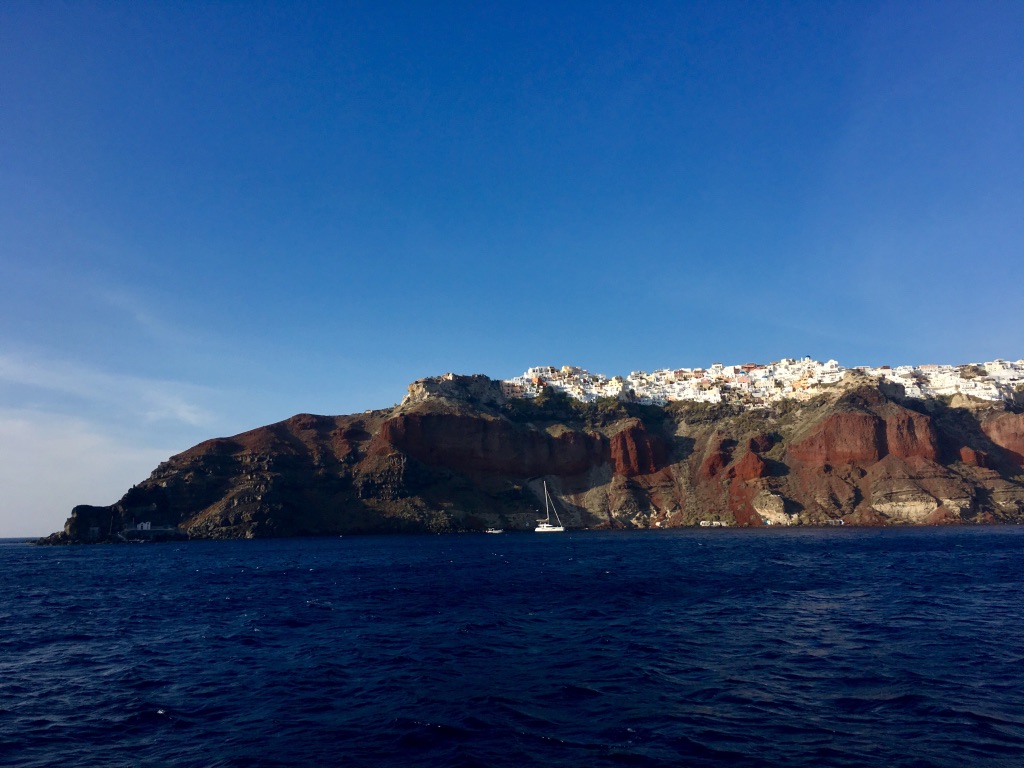
- Take the boat back to Fira as you watch the sunset from the deck. Then head back to your accommodation.
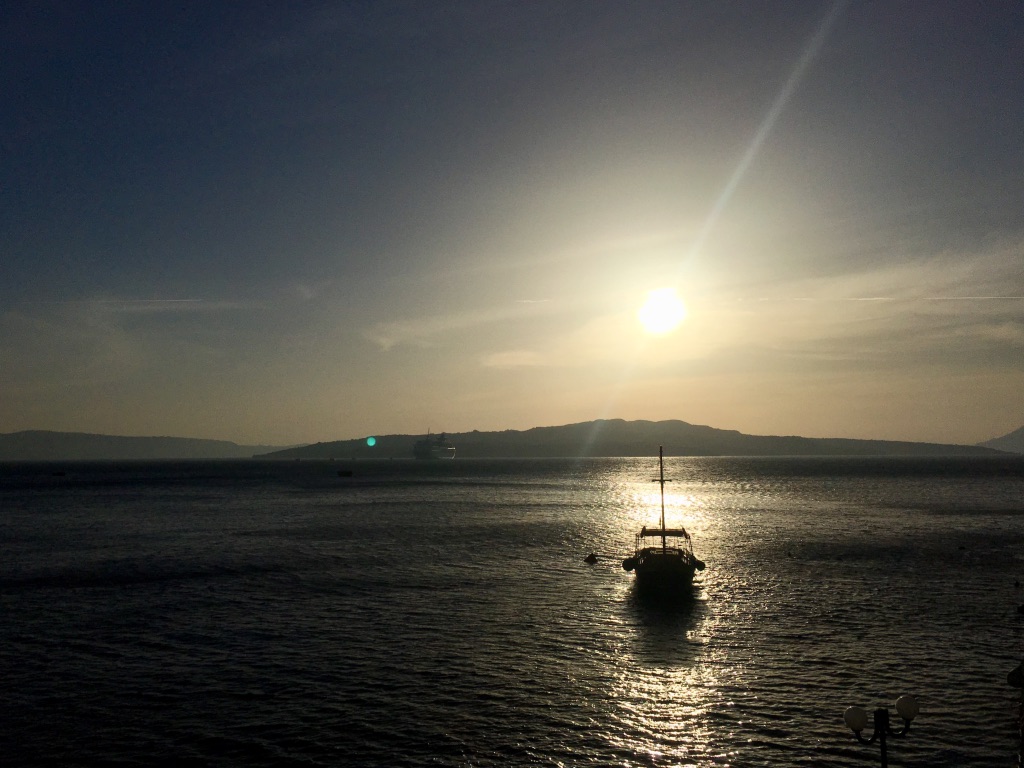
Day 7: Ferry to Paros ⛴️
Things to do 📸
- Spend the morning strolling through Perissa or take in some sun rays on the black beach. Eat some fresh fish at one of the local taverns looking out onto the Aegean Sea. Then it’s time to say bye to Santorini, and head to Paros.
📍How to get from Santorini to Paros
Take the bus from Perissa to Fira, and then another bus from Fira to the ferry port.
Departure: Athinios ferry port, Santorini 3:30pm
Arrival: Parikia, Paros 7:15pm
Duration: ~4 hours
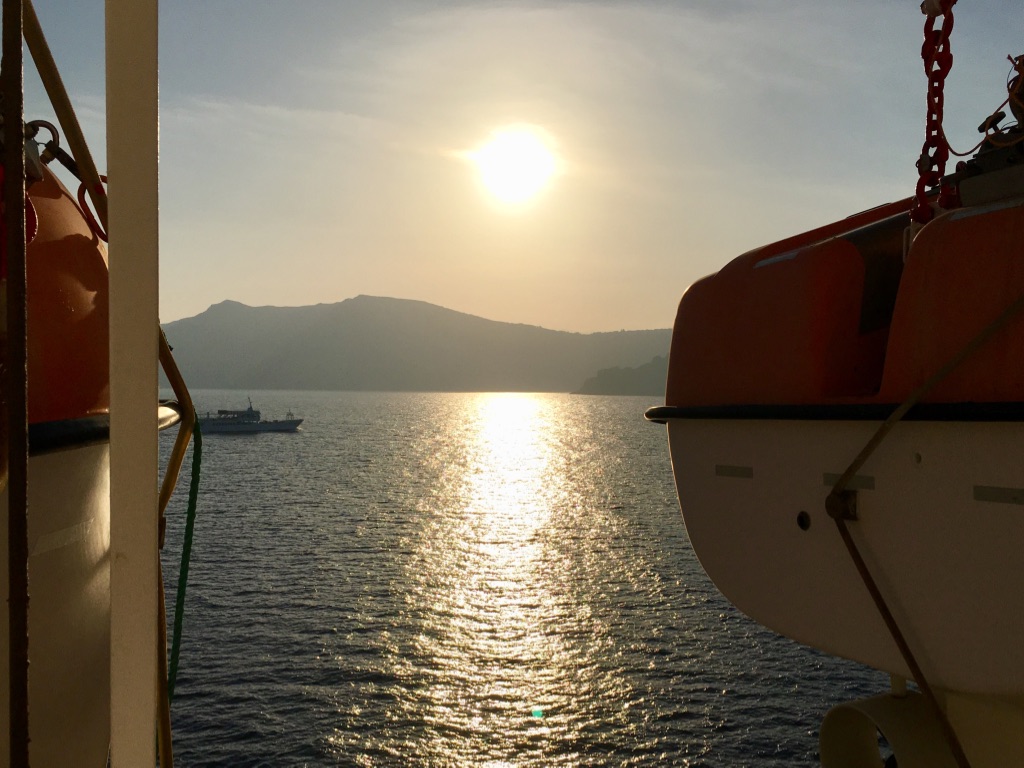
- Disembark the ferry in Parikia, Paros. The town is quite small, so you can probably walk to your accommodation. There are also multiple taxis waiting to drive you if you choose to stay outside of Parikia. After checking in and dropping off your things, go out for a late dinner at one of the local taverns.
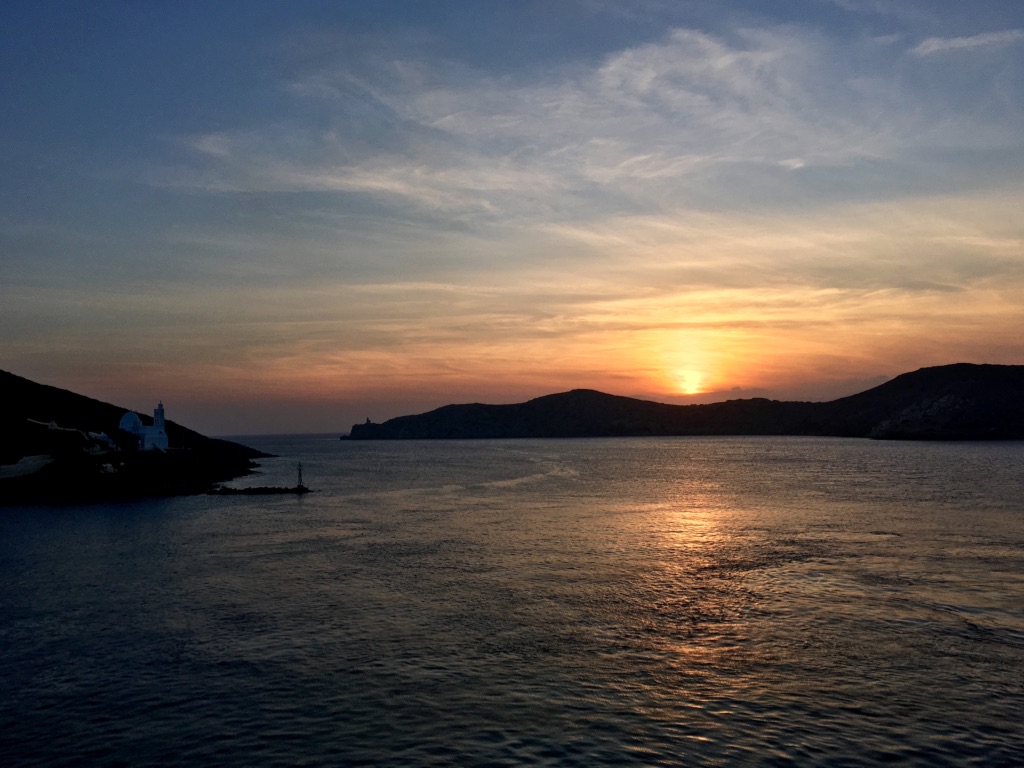
📖Information about Paros
➡️Paros has been inhabited since 3200 BC
➡️Home to the most beautiful beaches
➡️It was known for its fine white marble
➡️Main towns are Noussa and Parikia
➡️Part of Cyclades island group
➡️Sister island to Anti-Paros
🔀How to get around Paros
Bus or rent a motorbike if you want to go around the whole island (~15€/day)
🛏Accommodation
Parikia – mix: Margarita Studios ($), Hotel Oasis ($$), Archipelagos Resort & Villas ($$$)
Naoussa – partying: Katikia Malatesta ($), Madaky Hotel ($$), Astir of Paros ($$$)
Lefkes – hiking: Sweet Path Villa ($), Studio Calypso ($$), Lefkes village ($$$)
🍴Food in Parikia
💰Tango Mar Restaurant or Taverna Paros
💰💰Markakis Restaurant or Dionysos
💰💰💰Levantis or Magaya
Day 8: Paros (Parikia & Antiparos)
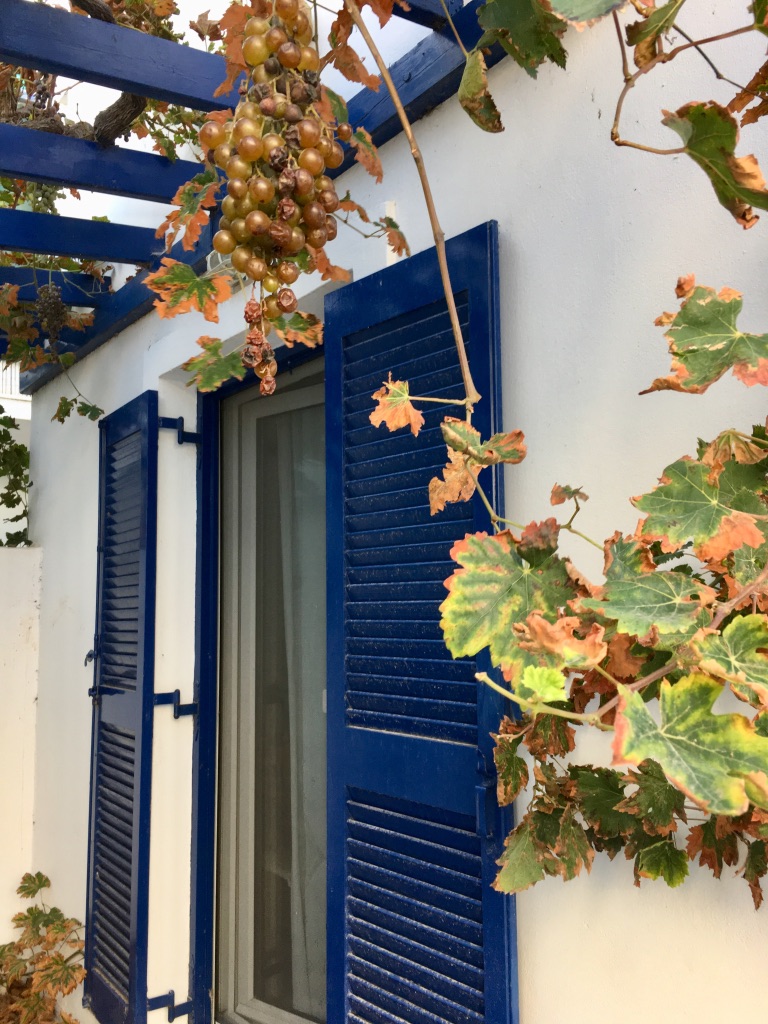
- Parikia – the capital of Paros, is built amphitheatrically around the port with typical Cycladic architecture. Whitewashed cubic and flat roofed houses with coloured wooden doors, windows and balconies, fill this town. On the entrance to the port, a superb whitewashed windmill welcomes the visitors and constitutes the trademark of Paros. Numerous restaurants, taverns, cafes, bars and night clubs are lining the one side of the coast road while the town’s beach is boarding the second part of the road.
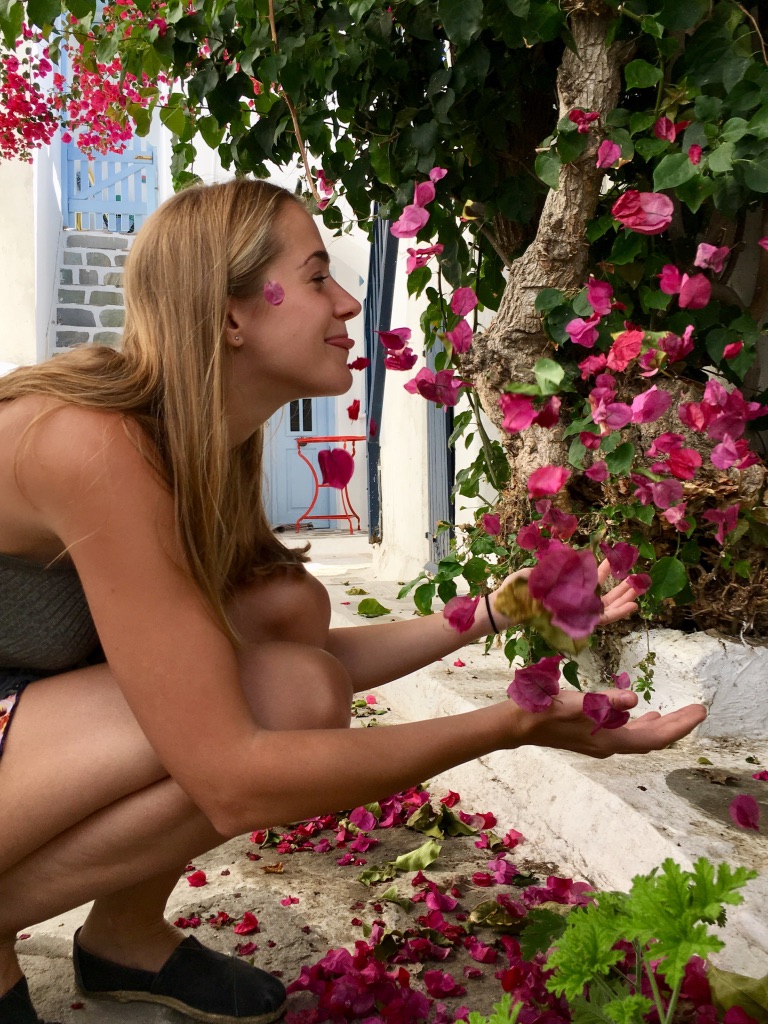
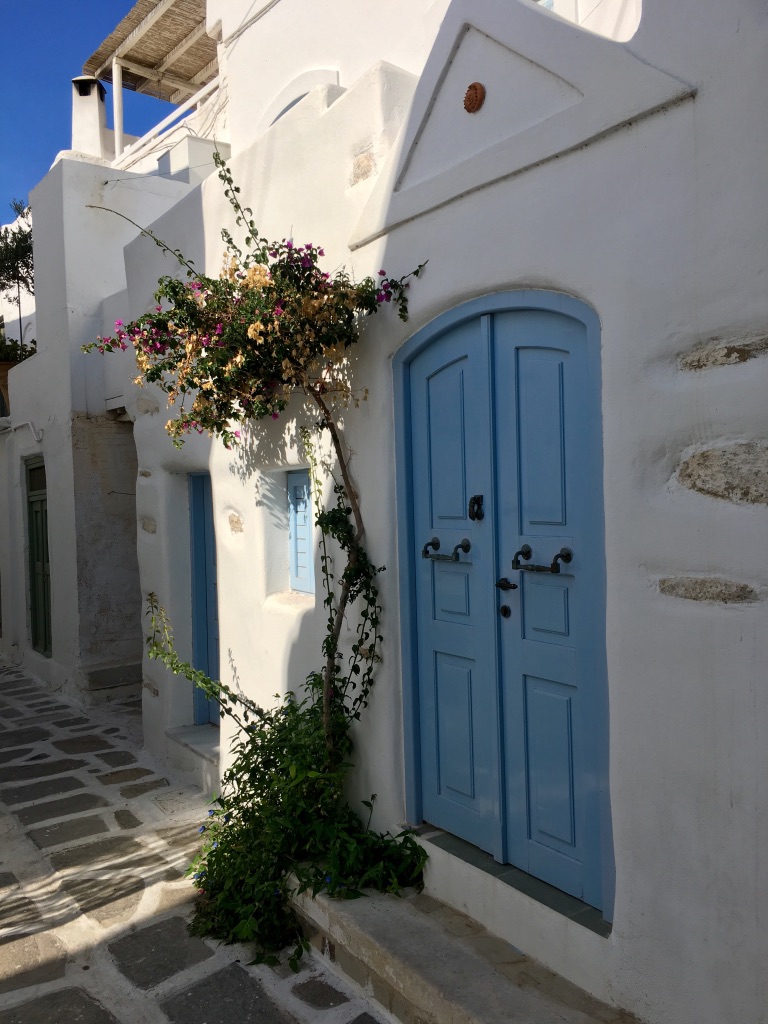
A few minutes walking from the port will take you to the heart of the traditional Cycladic settlement of Parikia, which is clustered around the hill of the castle. It is full of whitewashed two-storey houses with coloured windows, doors and balconies and old mansions, separated by narrow whitewashed streets forming a labyrinth.
The castle, called Kastro, was built during the 13th century on the highest point of the town, but nowadays, only part of the wall and a tower remain. Many churches surround the castle area: The Virgin of September, Saint Helen and the most important and oldest of all, the beautiful Byzantine church of Panagia Ekatontapiliani (Our Lady of the Hundred Gates).
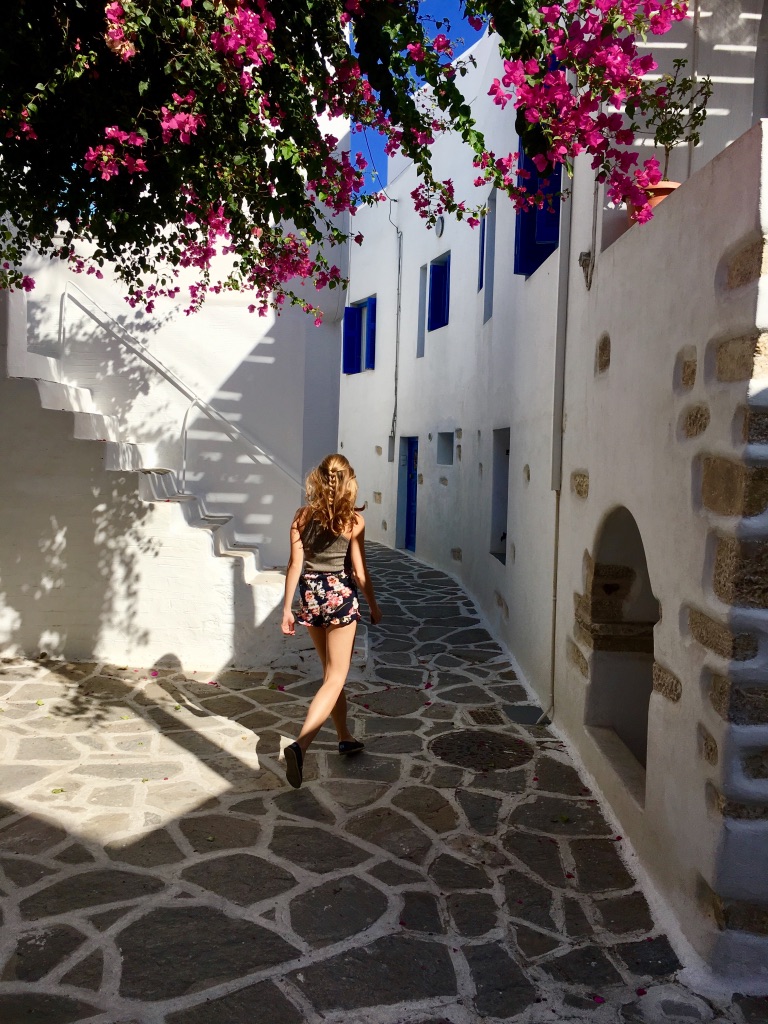
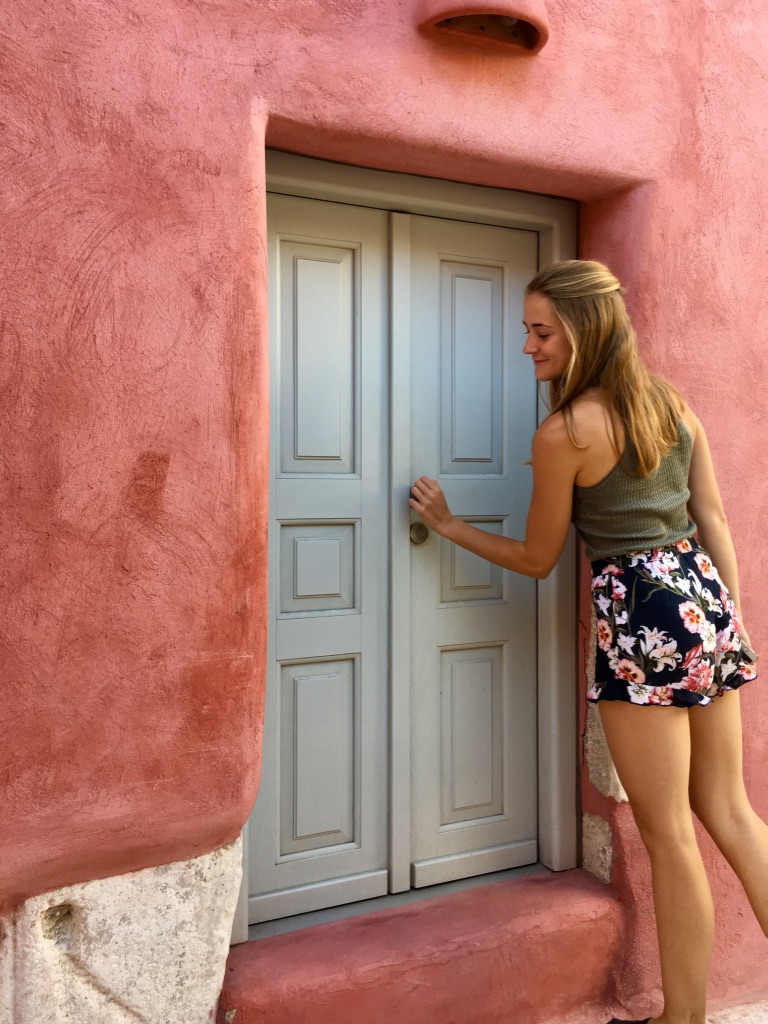
- Antiparos – After spending the morning exploring Parikia, take the bus to Pounta from the bus stop next to the windmill, or you can also rent a motorbike. From Pounta you will take a 10min ferry to get to the sister island of Paros, Antiparos (you can bring your motorbike).
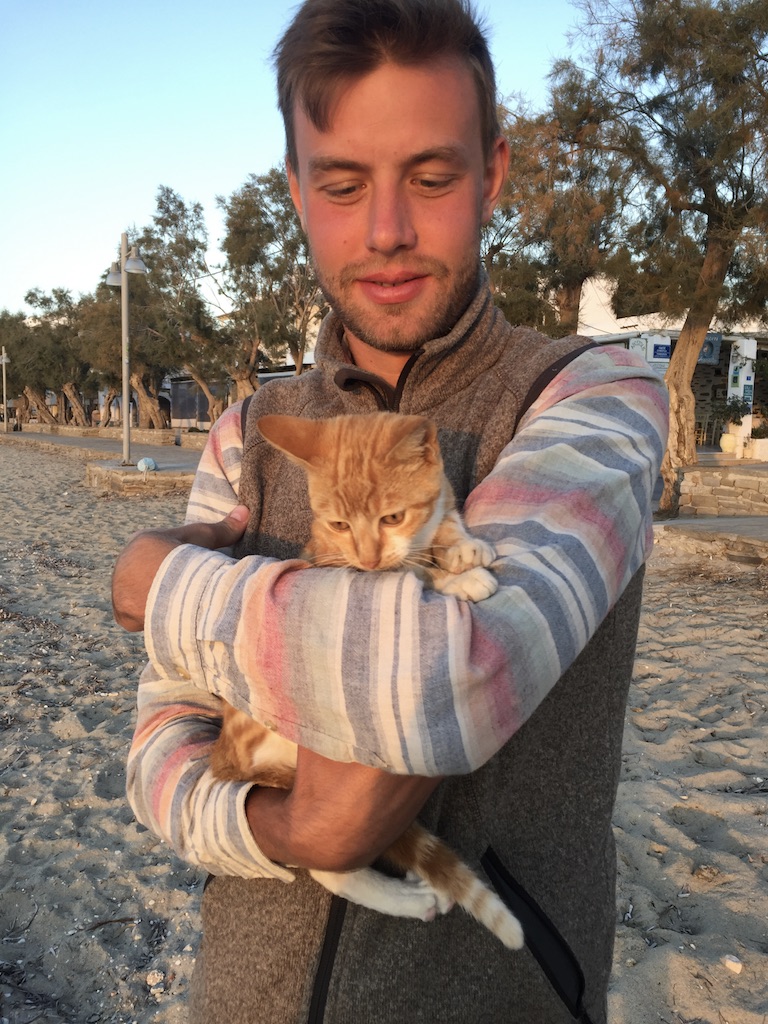
This island’s scenery has drawn celebrities including Tom Hanks to buy villas on its picturesque shores. Definitely don’t miss the Venetian Castle, set right in the heart of the old town, and originally built to protect the town from pirates in the 1400s. Walking around the streets, you’ll be sure to spot many cats (some of them may even follow you around). If you’re coming by motorbike, head to the center of the island to Kambos village. With only a dozen inhabitants, its whitewashed churches set the scene for the traditional atmosphere. From Kambos, drive around 10mins to visit the ancient cave of Antiparos, known for its stalactites and stalagmites. In the little harbor town of Agios Giorgos you will find several charming fish taverns right by the water and a beautiful beach (other beaches include Psaraliki, Glifa and Livadia).
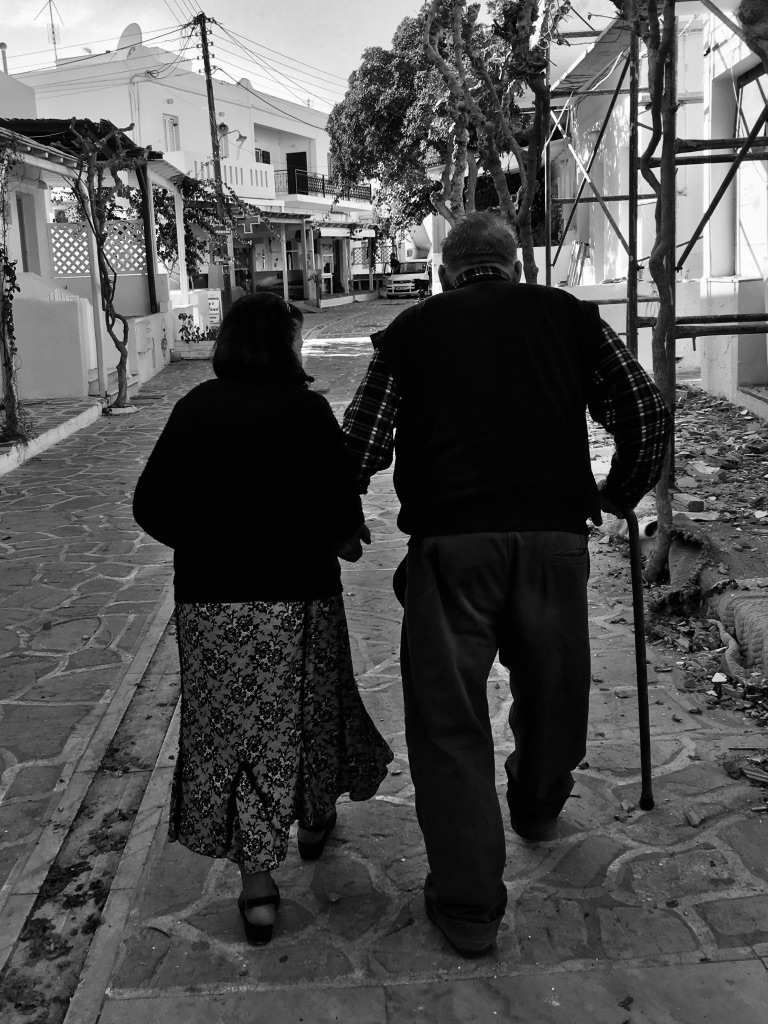
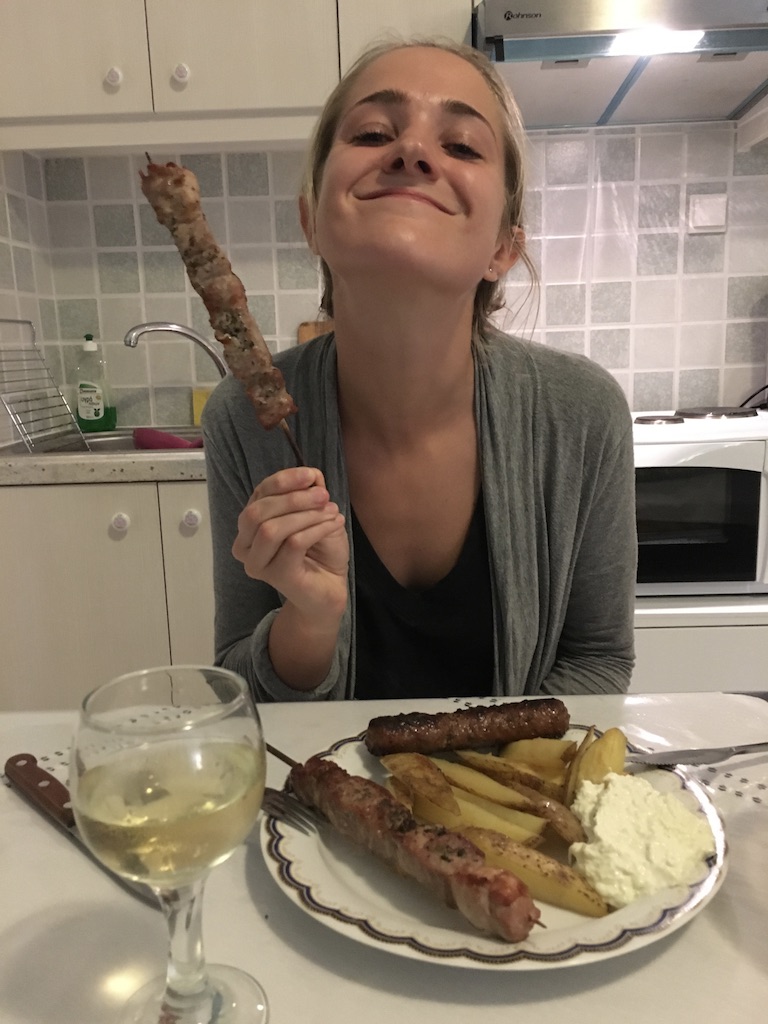
- After taking the ferry and bus/motorbike back to Parikia, eat at one of the restaurants along the road, or cook a meal if your accommodation allows for it. We made souvlaki, beefteeki and potato fries with tzatzitki.
Day 9: Paros (Naoussa)
- Santa Maria beach (optional) – located near Naoussa, in Plastira Bay it’s a long coastline divided in two soft, golden sandy beaches which offer a beautiful view on the island of Naxos and crystal emerald waters.
- Ambelas (optional) – It has a small sandy beach where all the fishing boats come to. It is mostly famous for the fishing port and the delicious fish taverns.
- Naoussa – This chic town with its whitewashed cobblestone streets is home to a number of tiny shops, cafes, and bars and clubs that attract partiers all summer long. It will be your main attraction for today. It is built amphitheatrically around a tiny picturesque port where little colourful fishing boats “caiques” moor and remains of a Venetian castle can still be seen, creating a unique and enchanting atmosphere. Naoussa also has many beautiful churches to visit such as the main church, the Church of the Assumption of the Virgin, which is located on the highest spot of the village or the Church of Agios Nikolaos. Eat lunch at Soso ($$) restaurant or Ouzeri Ton Naftikon ($$).
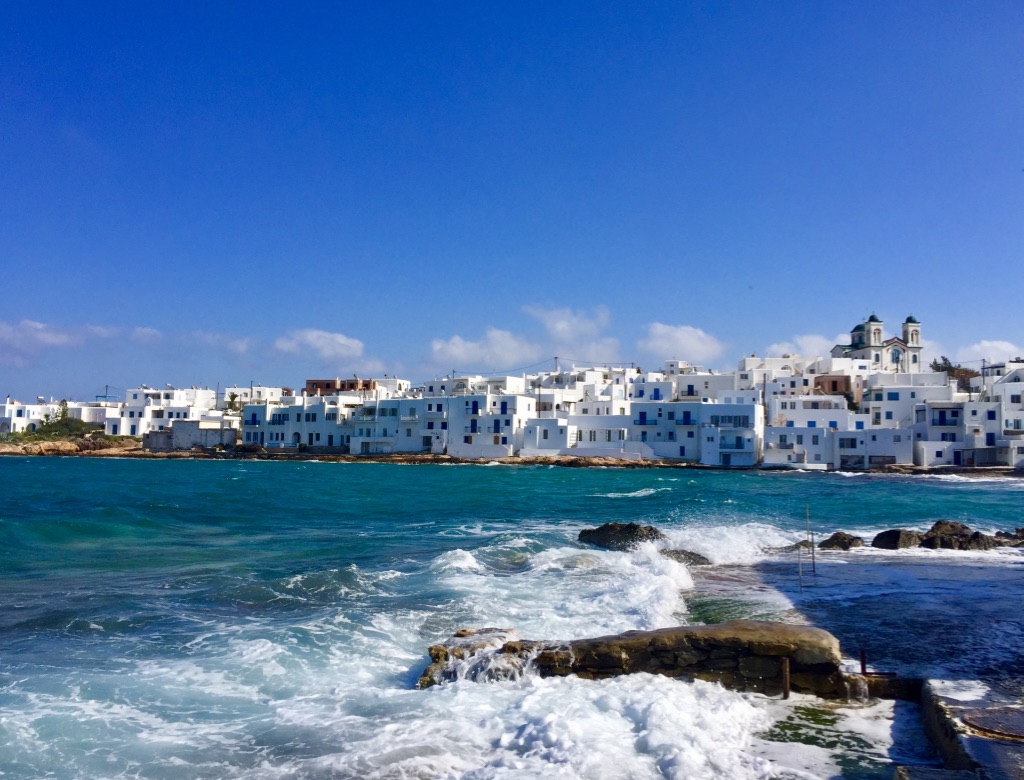
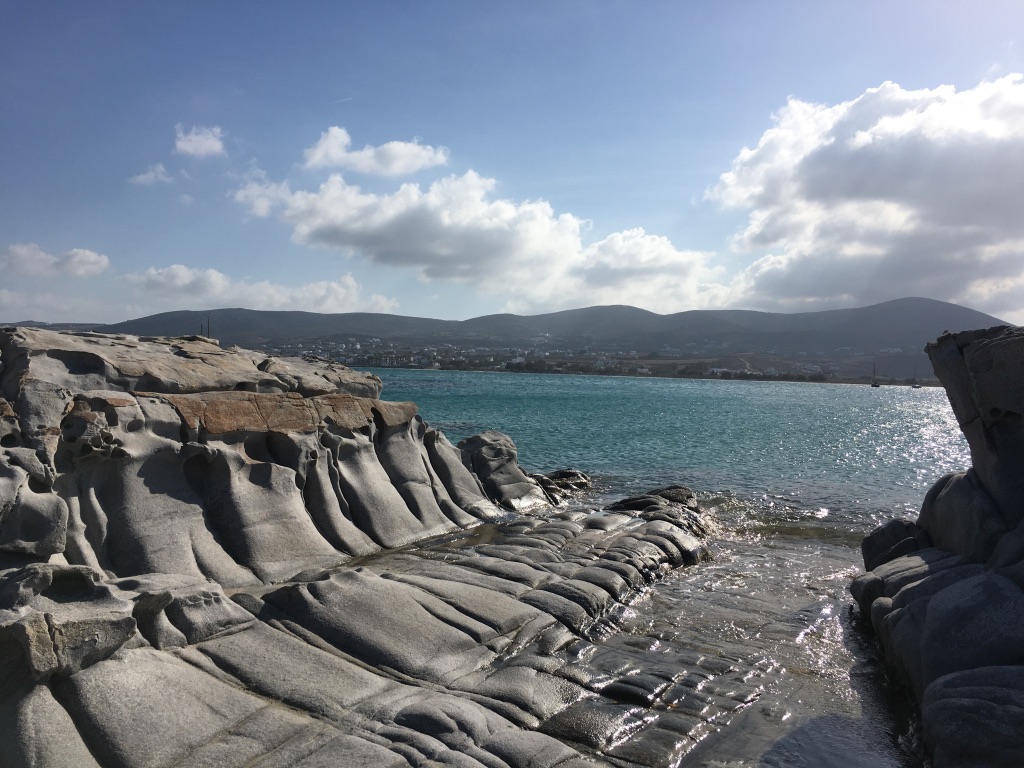
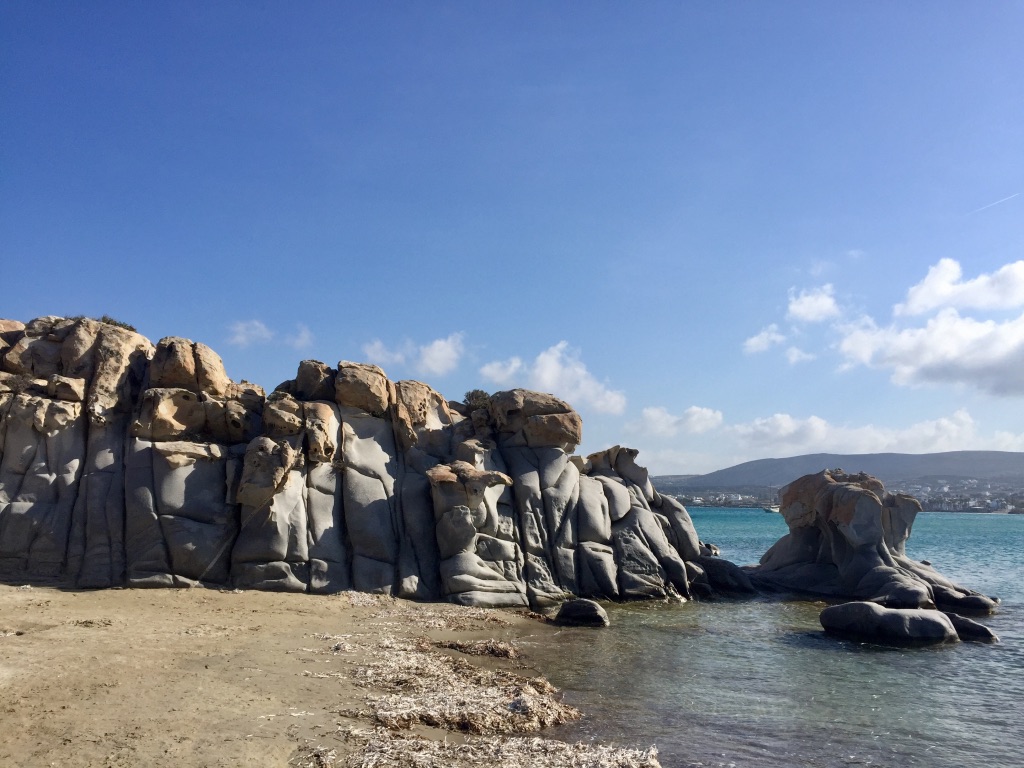
- Kolymbithres Beach – Naoussa is also famous for its numerous beautiful golden beaches, filling the natural bay such as Kolymbithres Beach, whose name means swimming pools. This beach is particularly impressive because of the huge blocks of granite boarding it, sculpted into strange smooth shapes by the sea and the wind over the centuries. Take in the sea breeze or take a coastal 30min walk past the area’s attractions. You’ll spot antique chapels, island vines, and rustic farmhouses on your way to the hillside ruins of the Mycenean Acropolis, dating back to the 13th century BC, and the Monastery of St. John of Deti. Located right next to the monastery is Monastiri beach, in a small rocky bay surrounded by huge rocky hills. This beautiful sandy beach has crystalline shallow waters and is great for snorkelling.
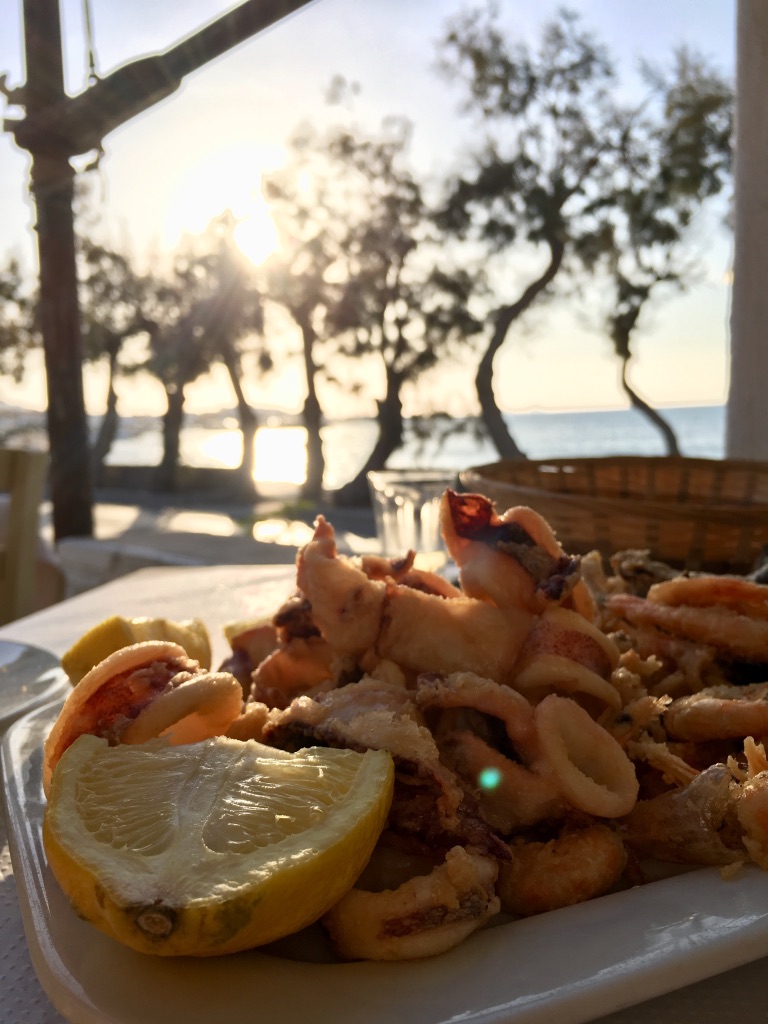
- After a calm afternoon exploring Naoussa and relaxing on one of the beaches, head back to Parikia to watch the sunset and eat a lovely seafood plate at Ouzeri Apostolis ($$).
Day 10: Paros (Mountains & Beach)
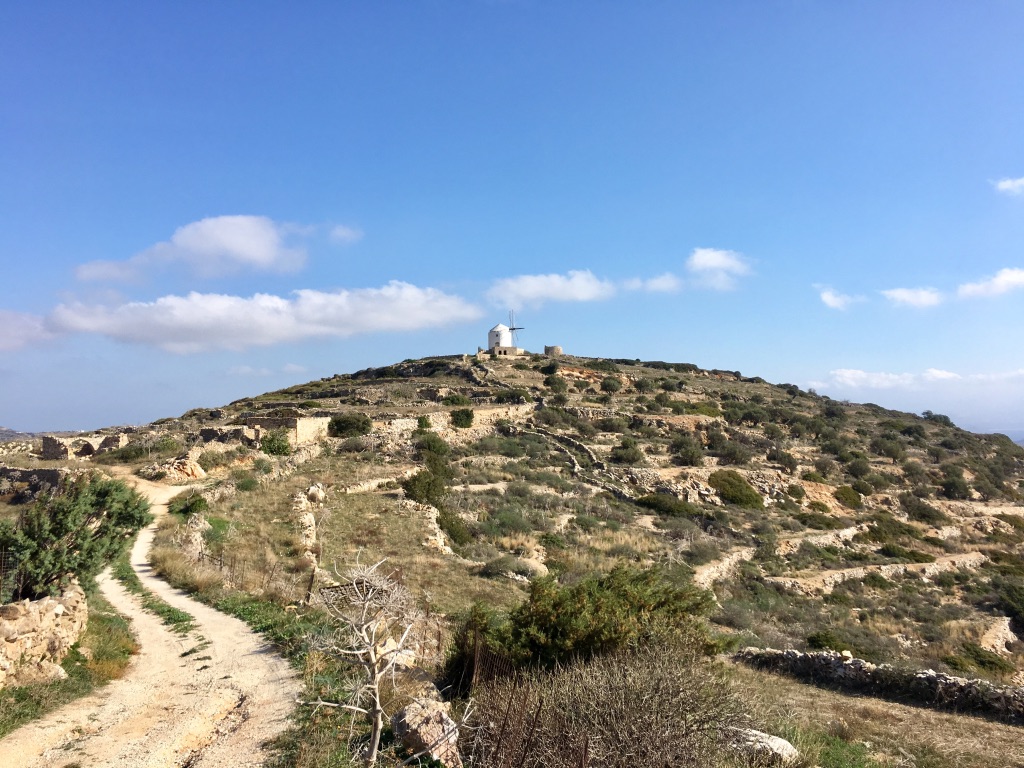
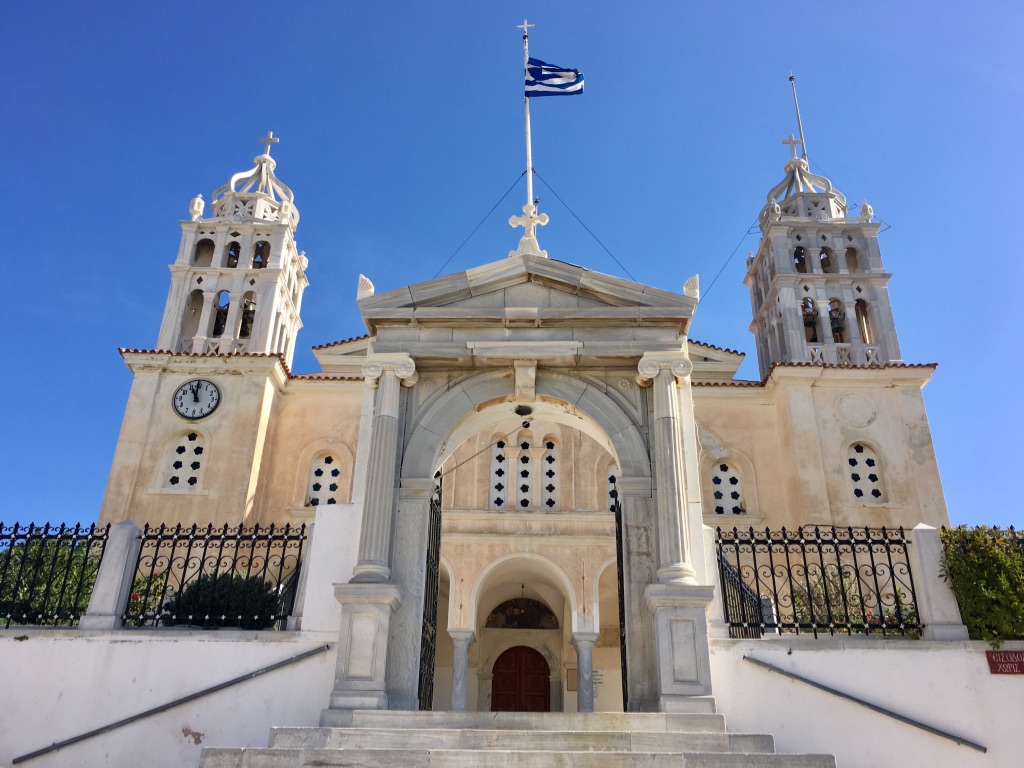
- Lefkes – this mountainous village is situated in the central part of Paros, at an altitude of 300m above sea level, on a hill covered with olive trees and pine trees. It has 500 inhabitants and used to be the capital of Paros during the Middle Ages. It is full of little traditional whitewashed houses, mixed with Venetian architecture, wonderful churches dating from the 15th century, and whitewashed windmills. Located in one of the most beautiful squares in the Cyclades is the Agia Triada (Holy Trinity) church, a perfect example of Byzantine architecture.
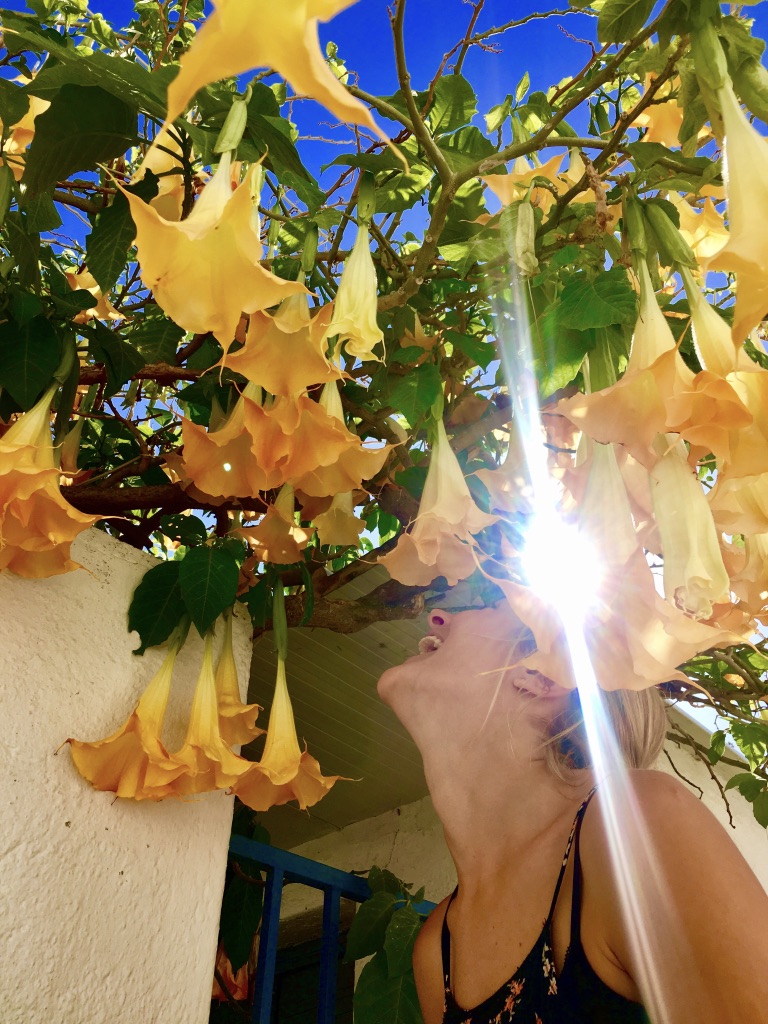
Note: Do not touch the beautiful yellow flowers – Angels Trumpet. It is neither a slice of heaven nor a musical instrument. It’s a beautiful, bell-shaped flower ready to send you straight to the hospital. Eating the flower can give you scary hallucinations and can even be fatal.
- Golden beach – Golden Beach (Chrissi Akti) is a long golden sandy beach extending for 700 metres, famous by windsurfers for its ideal wind conditions. Located near the scenic coastal settlement of Piso Livadi, a coastal summer and tourist resort.
- Molos beach – lounge on the sandy shore of Molos beach or visit the neighbouring St. Anthony’s Monastery with a walk or drive. The hiking trail also takes you through the ruins of a former Venetian castle before you reach the top, where you’ll find the double-domed monastery and scenic views of both Paros and neighbouring Naxos.
Day 11: Paros (beach day)
- Aliki – a beautiful coastal village with a picturesque port and traditional character. Most tourists seek the peacefulness and the warmness that Aliki offers. The locals stand out for their kindness and open heart. Aliki takes great care of the food lovers, as a result you will be greatly satisfied from the traditional taverns and the restaurants whose owners grow their own products in order to offer you the best dishes. Enjoy the warm sun at Alikis main beach, with clear sand and surrounded by fish taverns. Try To Moragio restaurant, right at the edge of the sea, offering a refined menu shaped by tradition.
Note: Make sure your motorbike has enough gas. Ours had a broken gas meter and we ended up having to push it 2km to the nearest gas station. - Livadia beach – main beаch of Parikia, lοcated in а gulf and ovеrlоοκing the сapitаl. This is the most kids-friеndly beach on the island beсausе usuallу there is not а singlе wave herе. It’s great for sandсаstles and for finding sea glass.
- Eat dinner in Parikia at the famous family owned Nufaro restaurant one of the oldest Italian restaurants on Paros (the owners of this restaurant owned the Airbnb we stayed in)
Day 12: Ferry to Athens ⛴️
📍How to get from Paros to Athens
Departure: Paros 10:45am
Arrival: Piraeus port, Athens 3:00pm
Duration: ~4 hours
Piraeus ferry port to Athens downtown — Take the green line (line 1) from Piraeus, change metro line at Monastiraki station (blue line 3) and get off at Kerameikos.
- After arriving back in Athens, check into your accommodation (We decided to spend the last nights in Kerameikos)
- Kerameikos/Gazi – a neighborhood of many contrasts, from creative restaurants, interesting neo-tavernas to authentic ethnic hangouts. Gazi is Athens’s post-millennial design, art, and techno district during the day and its blazing nightlife district well into the night. The best restaurants you can check out are Ta Kanaria, Cabezon, San Francisco sandwich bar. Every Thursday there is also a traditional street market on Kerameikos road from Plateon to Thermopylon streets. It is one of the smallest markets in Athens. Seasonal and non seasonable vegetables are sold here, mostly by traders. There are up-and-coming artists who display their work at galleries, theatres, bars, and there is something do around every corner. Gazi is named for its gasworks, abandoned in the 1970s and now a repurposed, vaguely dystopian setting for fun. Kerameikos was originally named for the potters who settled here around 3000 BC. It was used as a cemetery through the 6th century AD. Don’t forget to check out this marvellous piece of history.
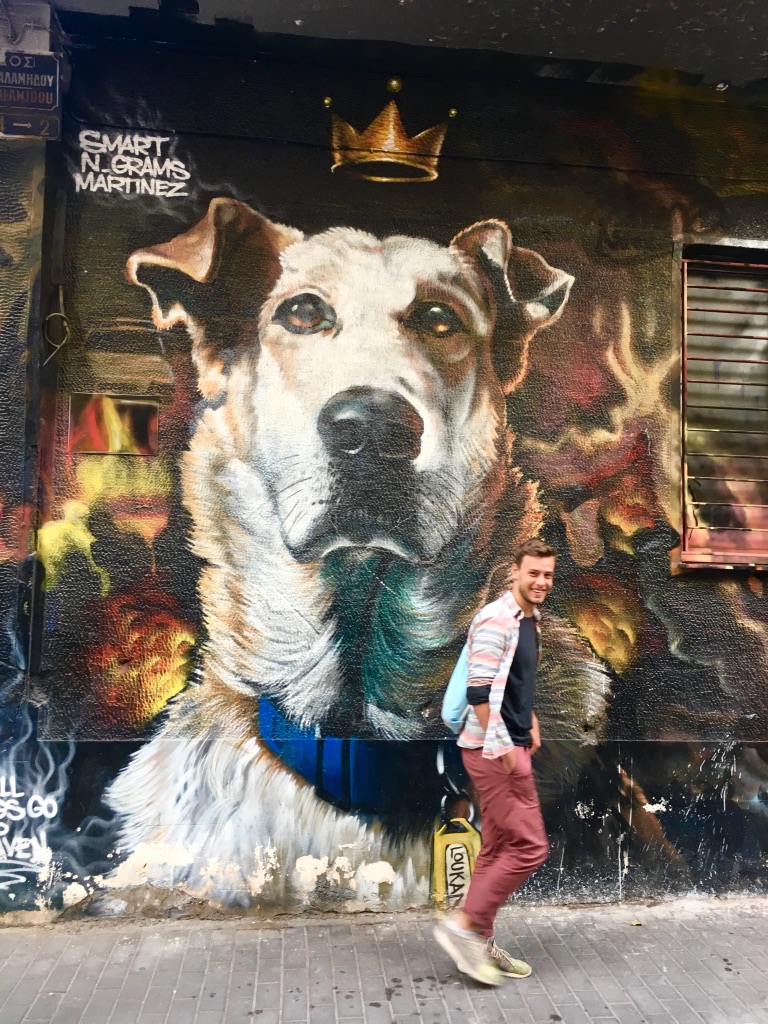
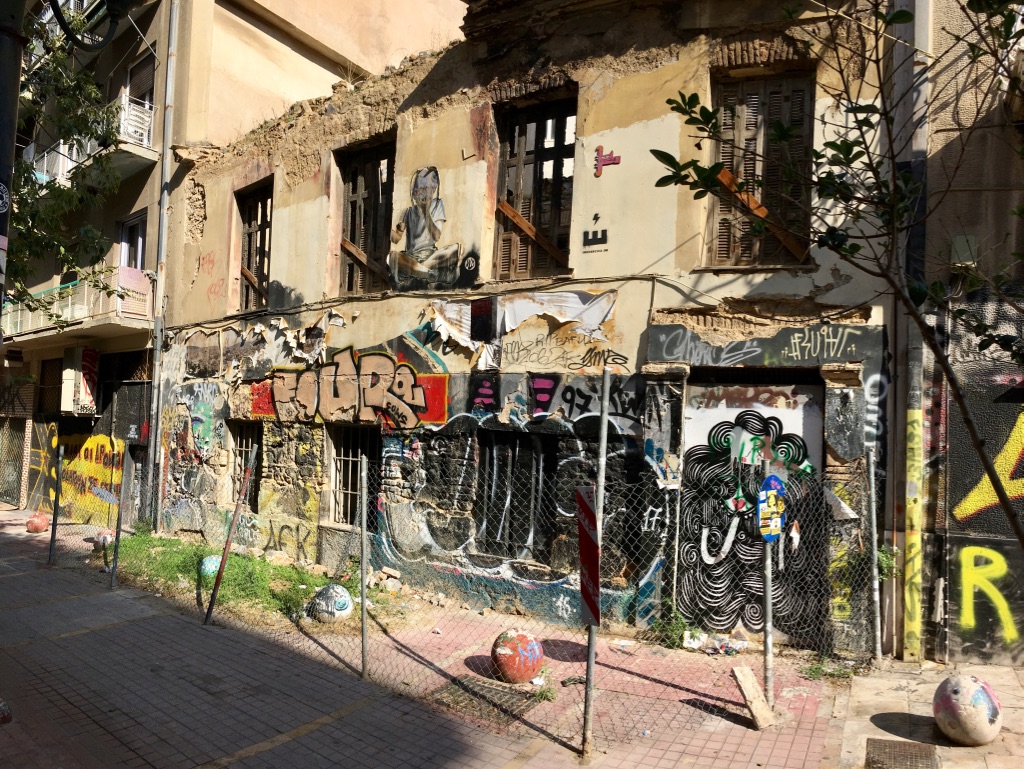
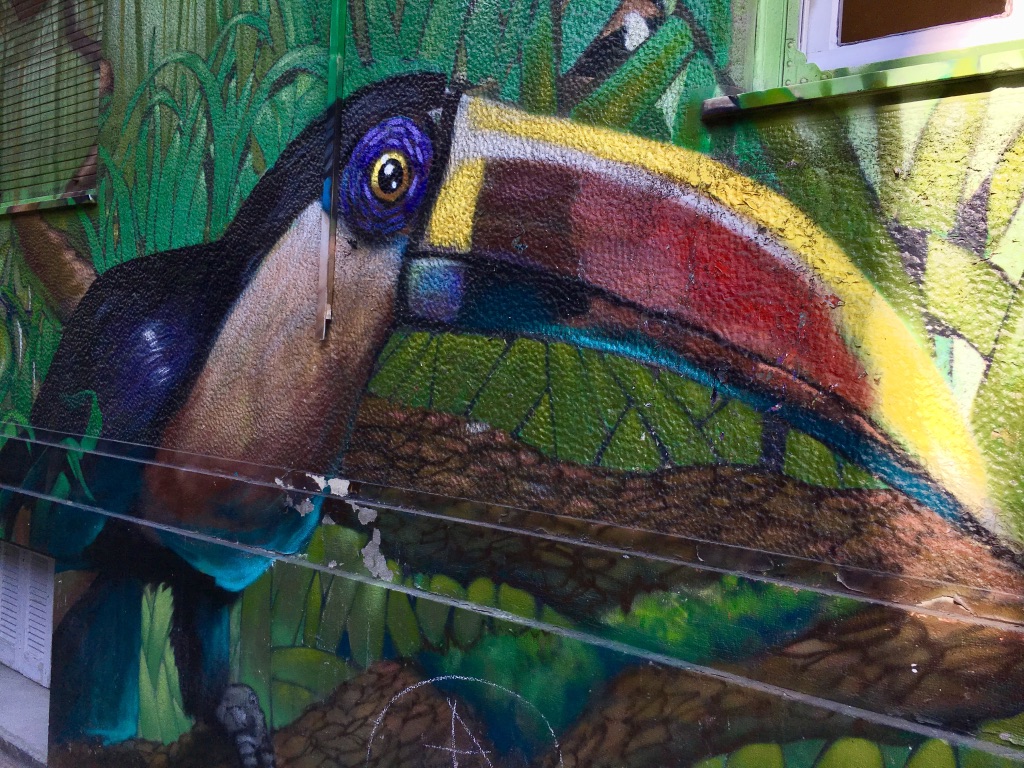
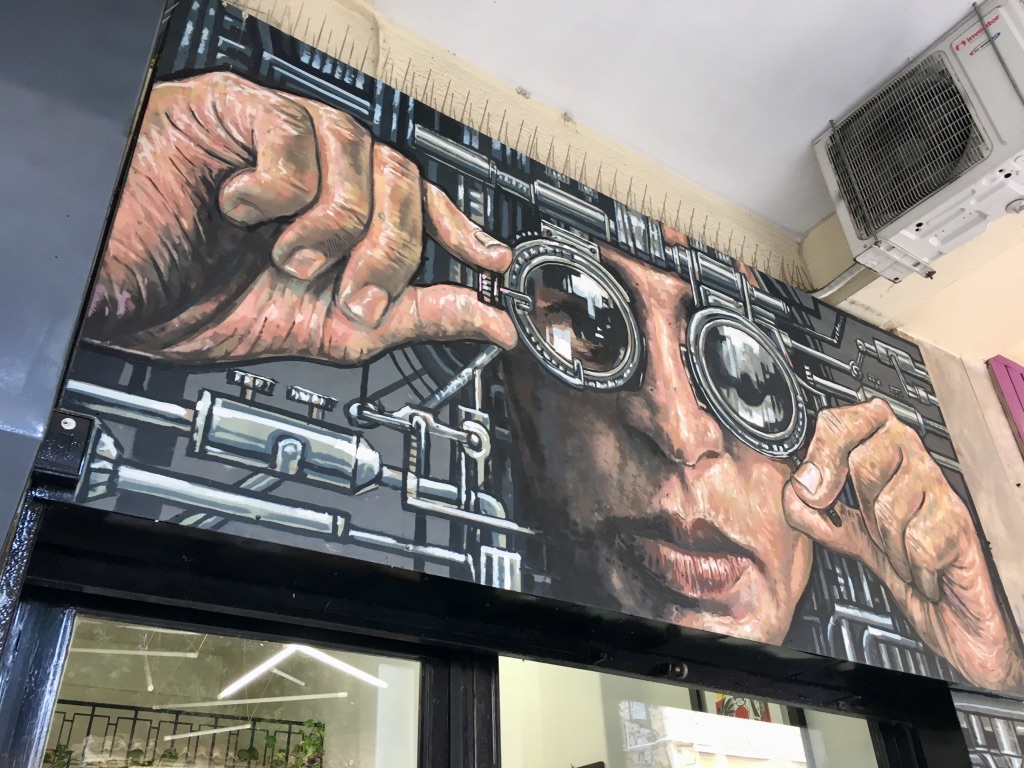
- Pysrri – a funky, eclectic neighbourhood of Athens, where you will be sure to find unique street art. Filled with great restaurants, unique bars, a vibrant nightlife, and small boutique shops, this is a very cool spot to go out for dinner and drinks. Wander the maze of streets, go wine tasting at the Cinque Wine & Deli Bar, or have dinner at Diporto, a cozy, secret underground restaurant that serves traditional Greek and Mediterranean food.
- Philopappos Park – From a viewpoint near the Monument of Philopappos, you get an amazing view of the Acropolis, the Odeon of Herodes Atticus, and the southern slopes (perfect for watching the sunset)
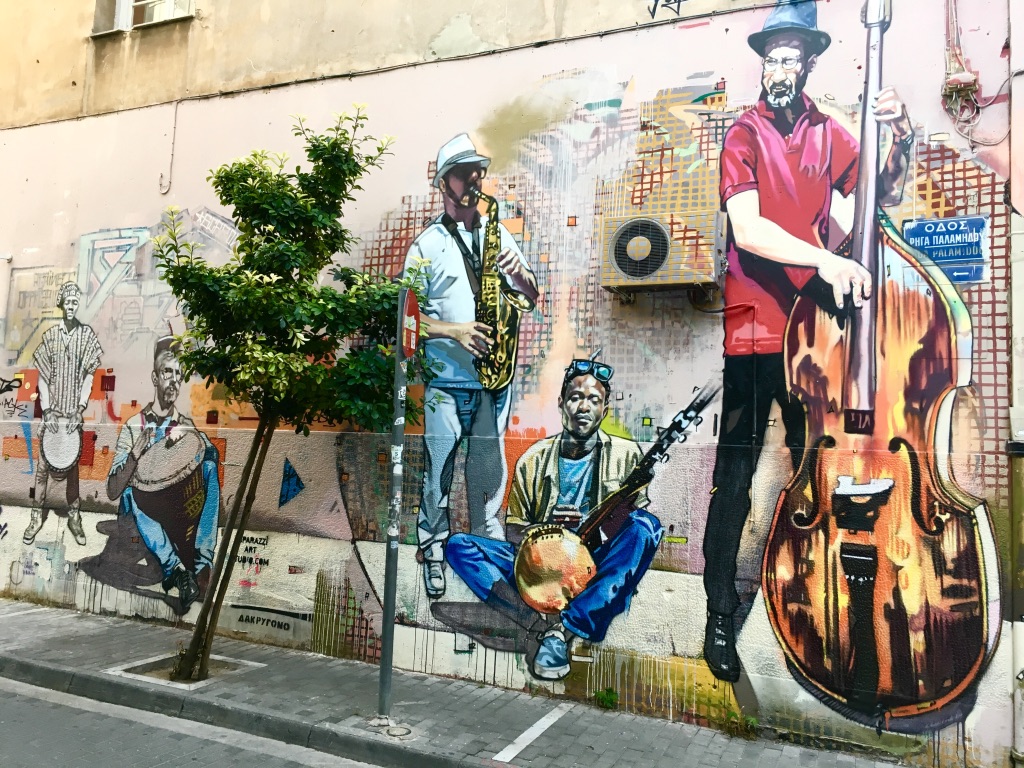
- Eat dinner in the Plaka neighbourhood. We tried Moussaka, an eggplant or potato-based dish consisting of layers of fried aubergine and minced meat. It’s then topped with a creamy bechamel sauced and baked until golden.
Day 13: Athens (day trip to Temple of Poseidon)
- National Archaeological Museum – is the largest museum in Greece with some of the greatest collections of antiquities in the world. Arrive early to hit all the must sees including: The Kore and Kouros, Zeus/Poseidon, Epinetra of Aphrodite, The Antikythera Mechanism, The Mask of Agamemnon, The Horse and Jockey
- Walk to Ktel Attikis bus station, and from there take the 2 hour bus ride to Cape Sounio (approx. every hour). You can stop along the way in small beach town Palaia Thiraia for club sandwich, coffee and collecting sea glass.
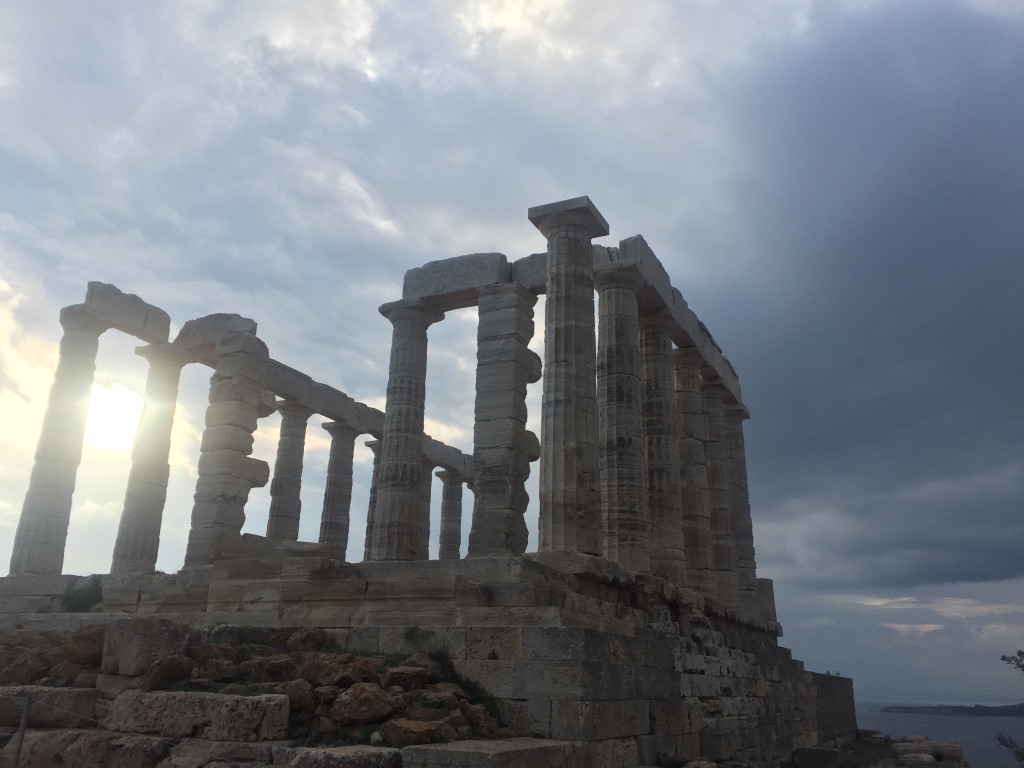
- Temple of Poseidon – Perched on the edge of a cliff, this temple with 15 still-standing Doric columns was dedicated to the god of the sea, Poseidon. It was constructed in 444 B.C. the same year as the Parthenon. Watch the sunset here, so you can also worship Helios, the sun god, as the sun falls into the Aegean below.
- Arrive back in Athens in the evening, and eat in a local tavern, or cook a homemade meal if your accommodation allows for it. We made Greek chicken souvlaki with veggies in a pita.
Day 14: Athens (Last full day)
- Panathnaeic stadium – Located in the Pangrati neighbourhood, it dates back to 330 BC. In 144 AD, it was reconstructed in marble by Herodes Atticus. In 1896, it hosted the opening and closing ceremonies of the first modern Olympics. Then, in 2004, it was used as an Olympic venue. This is also the site of the last exchange of the Olympic torch before it leaves Athens for the host country.
- Pangrati – is a cosy yet quirky neighbourhood with steep streets that give impressive glimpses of Lycabettus Hill. Its backstreets are an intriguing mix of neoclassical and modern architecture, and they often lead to quaint squares full of life. However, if there is one area in which Pangrati holds the most promise, it is its restaurants. Try out Mavro Provato for food, Pnyka for pastries or the trendy Chelsea Bar for drinks.
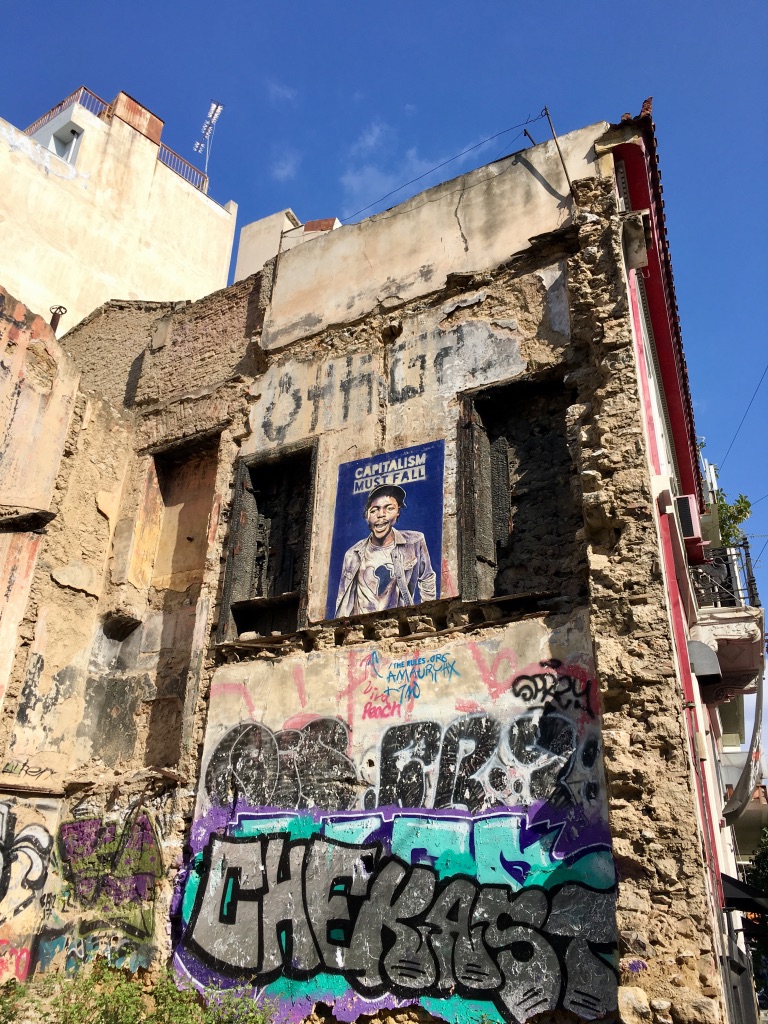
- Exarchia – an anarchist hotspot, this neighbourhood has always been a focus for a fierce exchange of ideas, creativity and youth culture. You’ll be sure to find your fair share of street art here.
- It’s your last night in Athens, so go back to your favourite restaurant for your last Greek dinner and then take a stroll in the streets buzzing with life. We went back to our local little tavern Avli Psiri and ordered a mixed meat platter, fried zucchini balls, ouzo and wine.
Day 15: Departure to Warsaw/Hamburg
- On our last day in Athens, we checked out of our Airbnb, bought pastries and some iced coffee and headed to Paralia Flisvos beach with our backpacks.
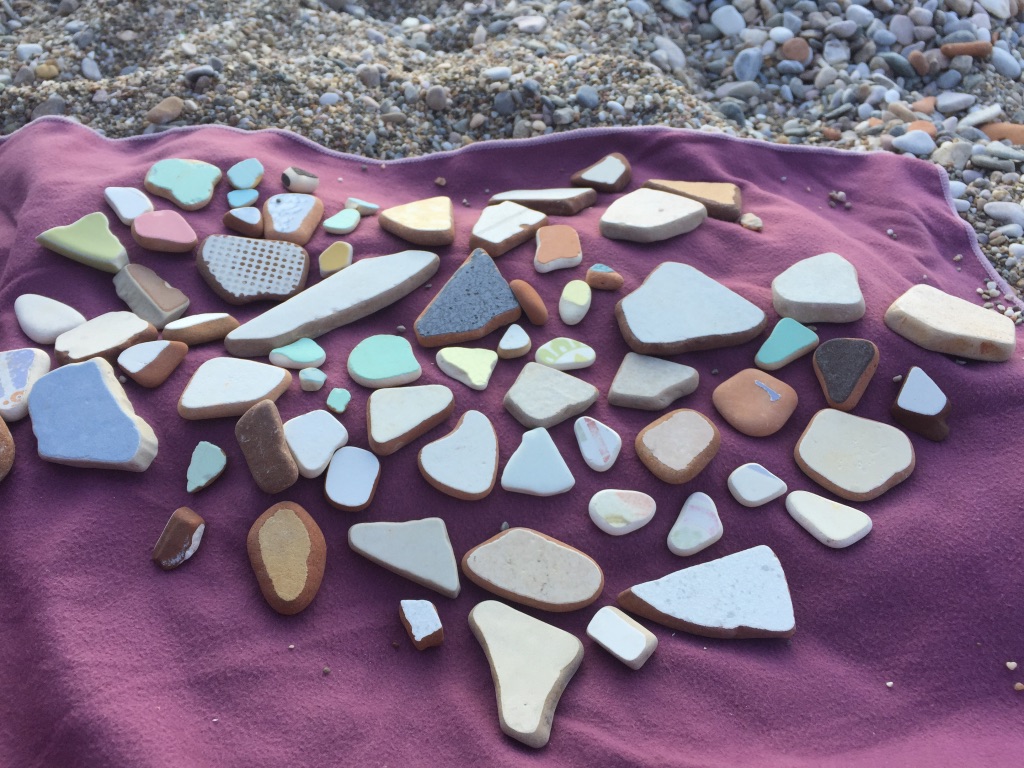
- It wasn’t a beautiful beach but it was enough to sunbathe in the sun, and we even were able to find a bunch of sea pottery. At 2pm we caught the bus from the side of the road to the airport. It was time to say goodbye to Greece and each another and take separate flights back to Warsaw and Hamburg.
All images © 2018 Jonas Flachmeier
 Two Shoulder Straps