
Travel information
- Gran Canaria is the third largest of the 8 Canary Islands
- The circular, rocky island of volcanic origin has a diameter of just 50 km but has different climates and a great variety of landscapes
- The Canary Islands are not named after canary birds. The term Gran Canaria probably comes from the Latin name Canariae Insulae meaning “Canine Islands”.
- The Guanches were the aboriginal inhabitants of the Canary Islands with North African origin
- Perfect time to go: April to October (we went in October 2017)
- Cost: 1450€/2 people ~50€ pp/day (everything included)
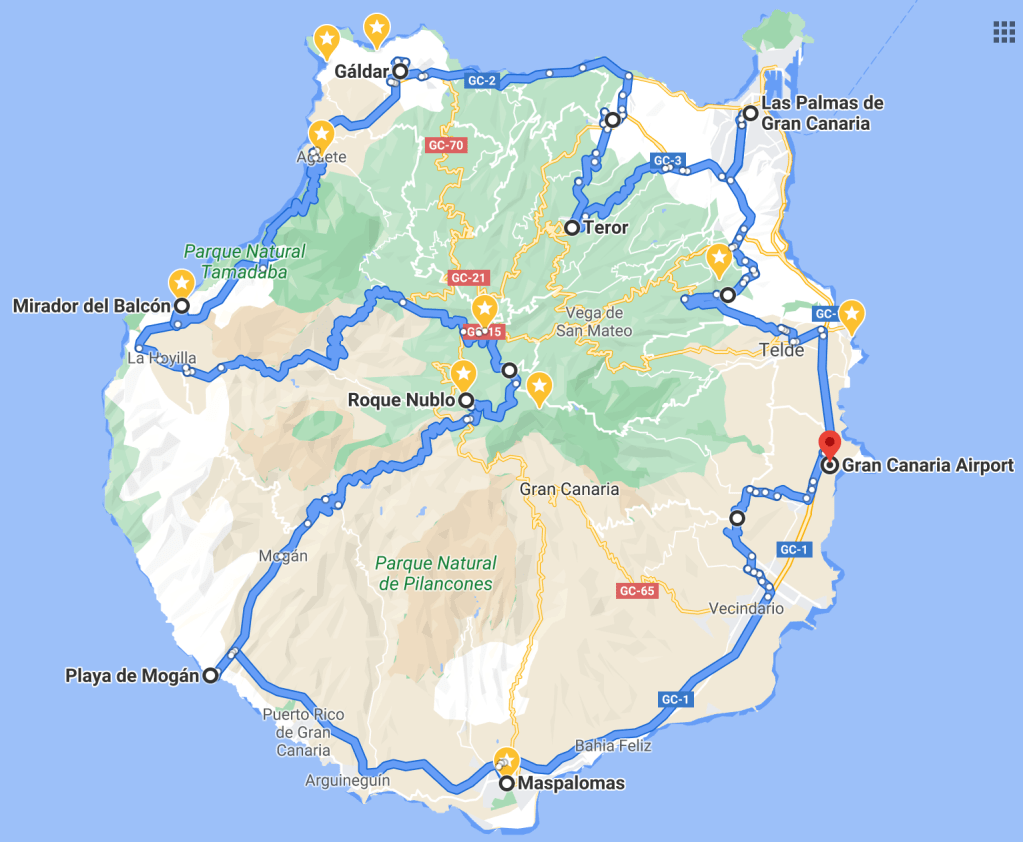
- Getting around: rent a car at the airport (round trip – approx 350km)
- Places visited: Maspalomas, Puerto de Mogán, Roque Nublo, Agaete, Galdar, Las Palmas
Aguimes
- Pick up your car at the airport and start driving south towards Maspalomas – the small historic town of Aguimes will be your first stop.
- Stroll around the neighbourhood and visit Templo Parroquial de San Sebastián with its typical architecture.
- Admire the beautiful mountain landscape at Roc Aguayro.
- If you’re an archeology lover, head to Mountain Agüimes.
- If you prefer sports and adventure, try wind surfing on Playa Vargas.
Maspalomas
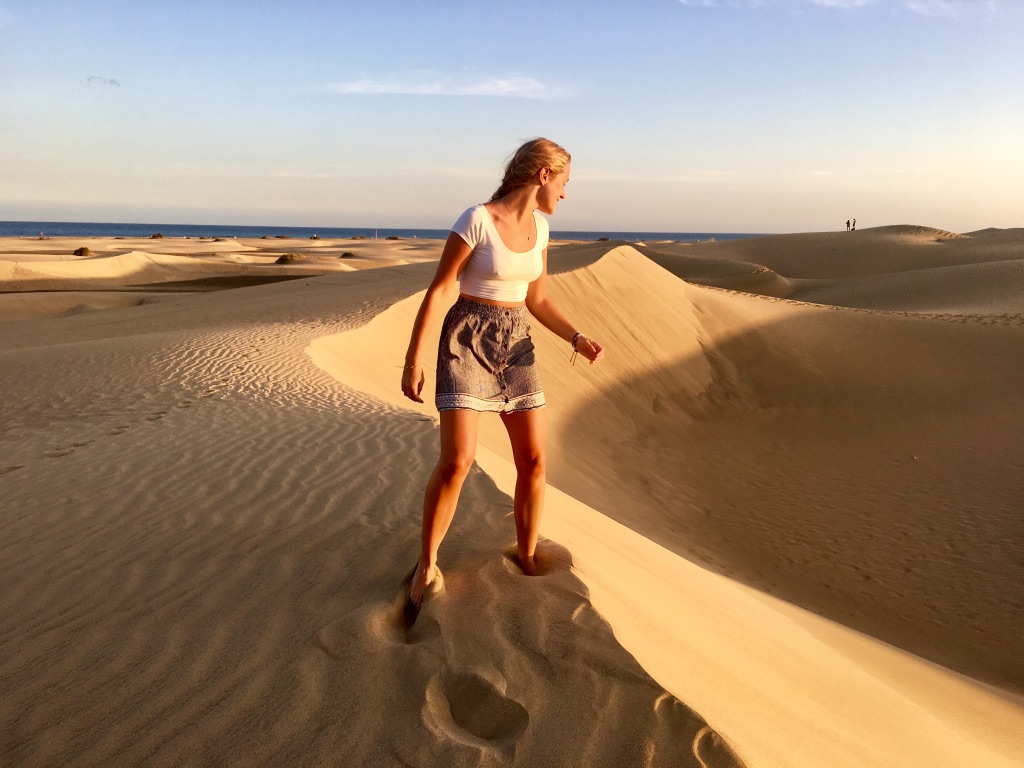
- Very windy, endless coastal dunes & many tourists.
- Walk through the dunes to get to Maspalomas’ Lighthouse, overlooking the city.
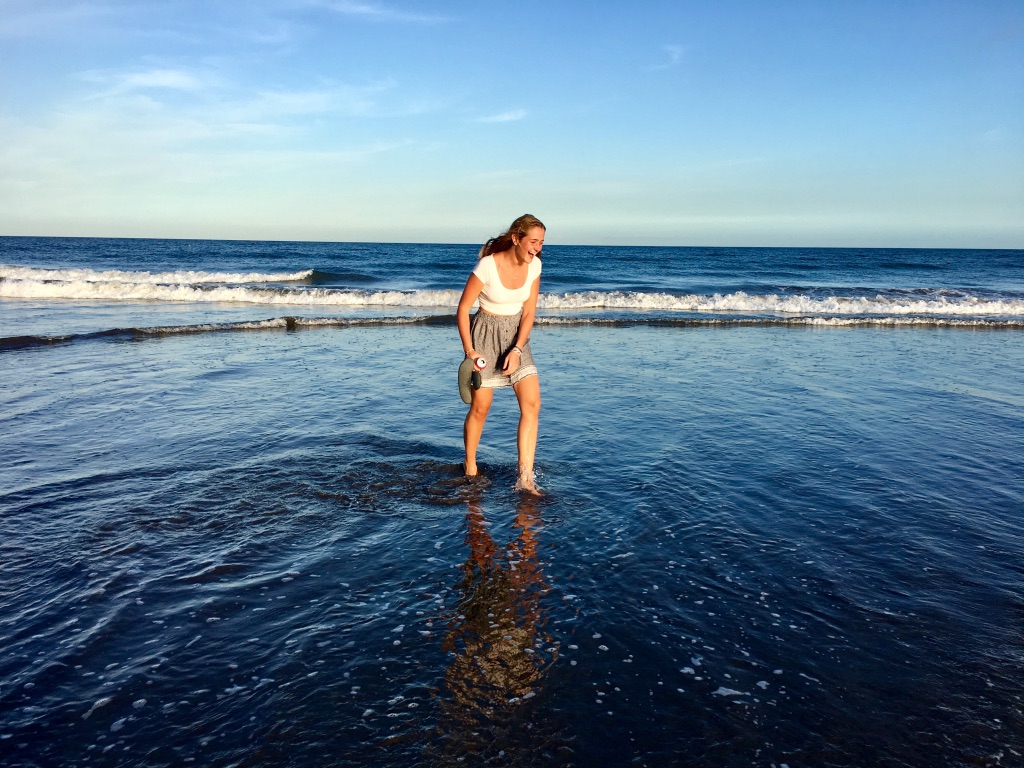
- During the day relax on Maspalomas’ beach and swim in the calm water.
- During the night enjoy one of the many bars in Meloneras or Playa del Ingles.
- Fun fact: Maspalomas’ first celebrity visitor was Christopher Columbus. He stopped for water at the lagoon on his last voyage to the Americas in 1502. That’s why the road running down to the beach is called the Avenida de Cristóbal Colón.
Puerto de Mogán
- On the way to Puerto de Mogán, stop by the artificial Playa de Amadores – the intensity of the blue water is miraculous!
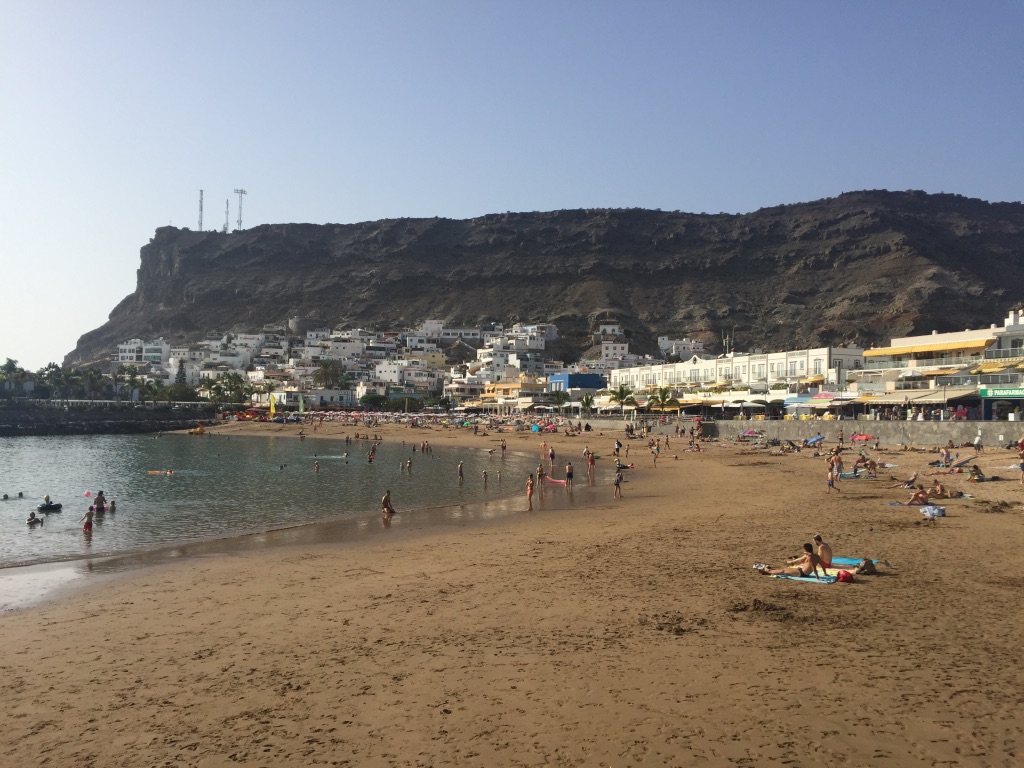
- Relax on the beach and go swim in the translucent water of Puerto de Mogán.
- Visit the village’s port, between restaurants and fishing boats.
- Go diving/snorkelling from the port.
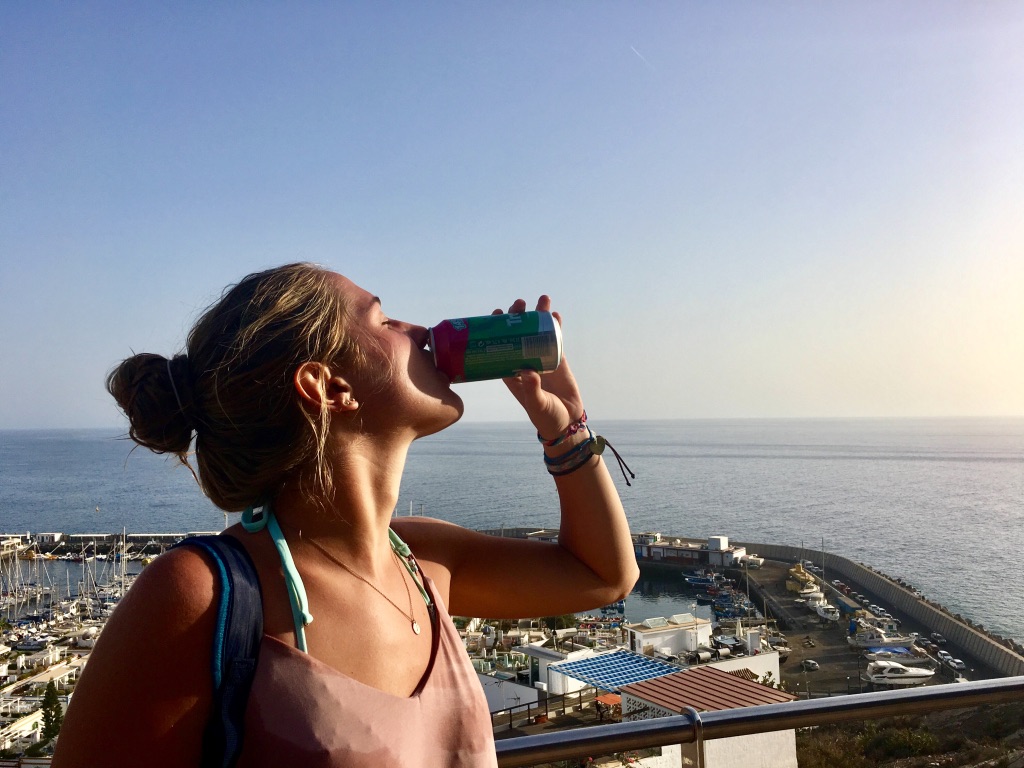
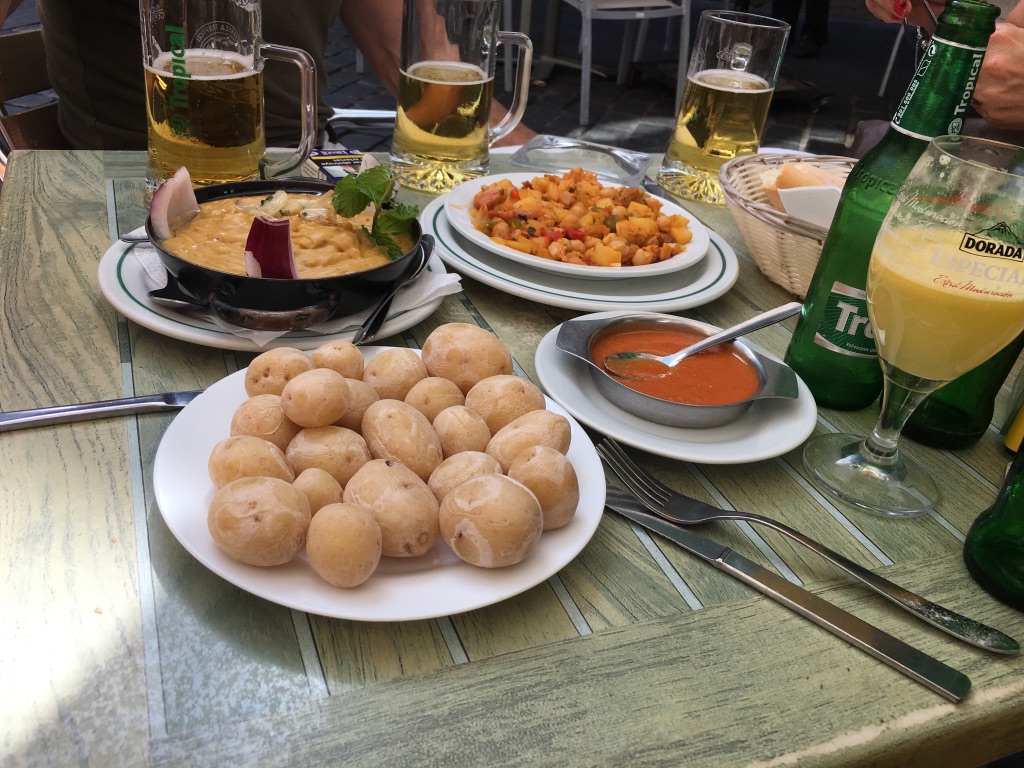
- Drink some Tropical – the local Gran Canarian beer.
- Take a boat cruise to discover dolphins and whales.
Roque Nublo/Pico de las Nieves
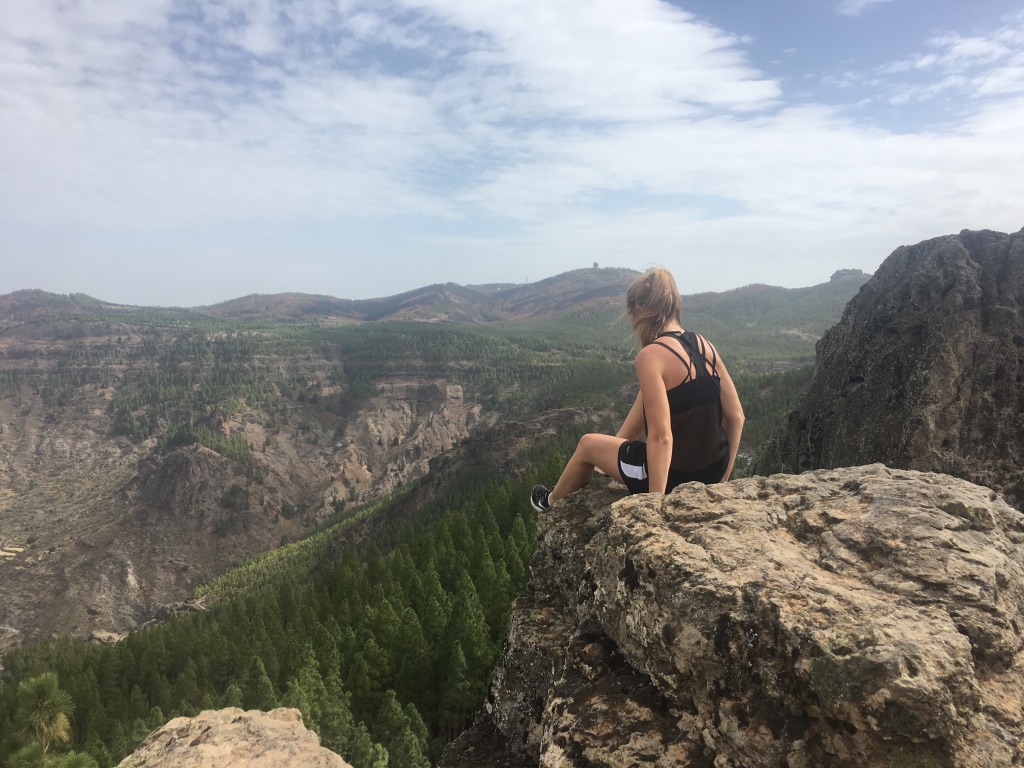
- If you are planning to take long hikes, stay in the secluded area of Tentiniguada.
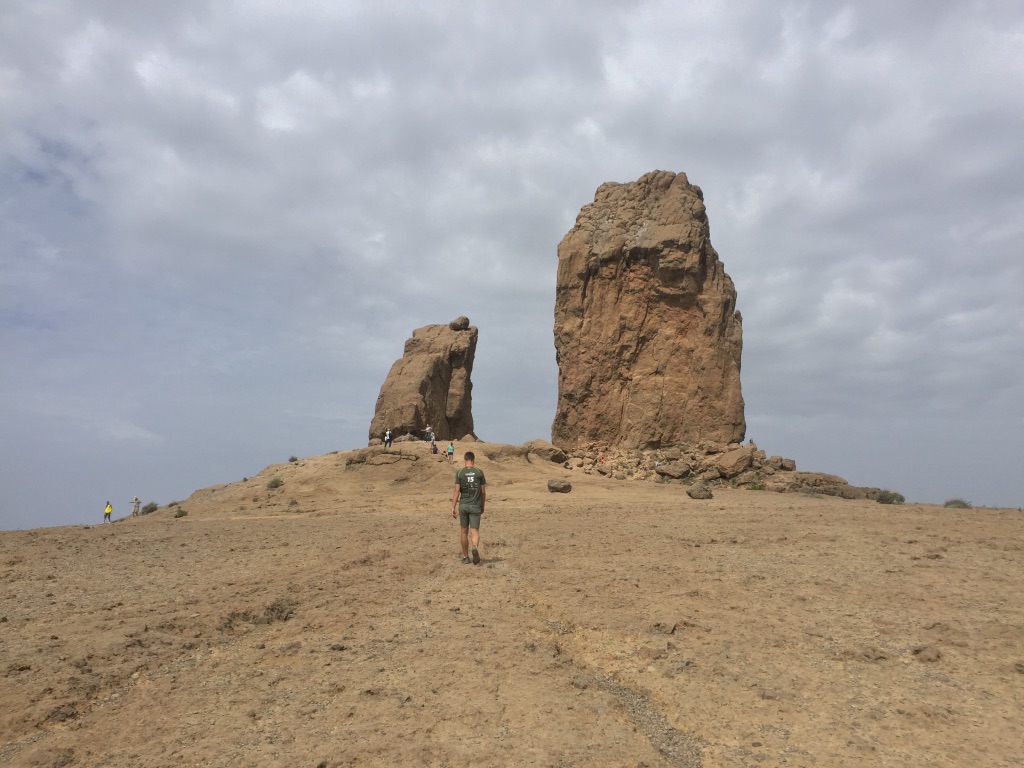
- Hike to Roque Nublo the 80m monolith rock of volcanic origins. An ancient place of worship for the aborigines, it was declared a protected natural space in 1987. The hike itself is only 5km – be sure to also keep an eye out for La Rana – “Frog rock” and Roque Fraile – “Friar’s Rock” – who resembles a monk in a classical praying position.
- Challenge yourself even more and venture through pine forests to reach Pico de las Nieves (Snow peaks), which at 1949m is the highest peak of Gran Canaria. This circular route is quite difficult and is around 16km.
Mirador del Balcon
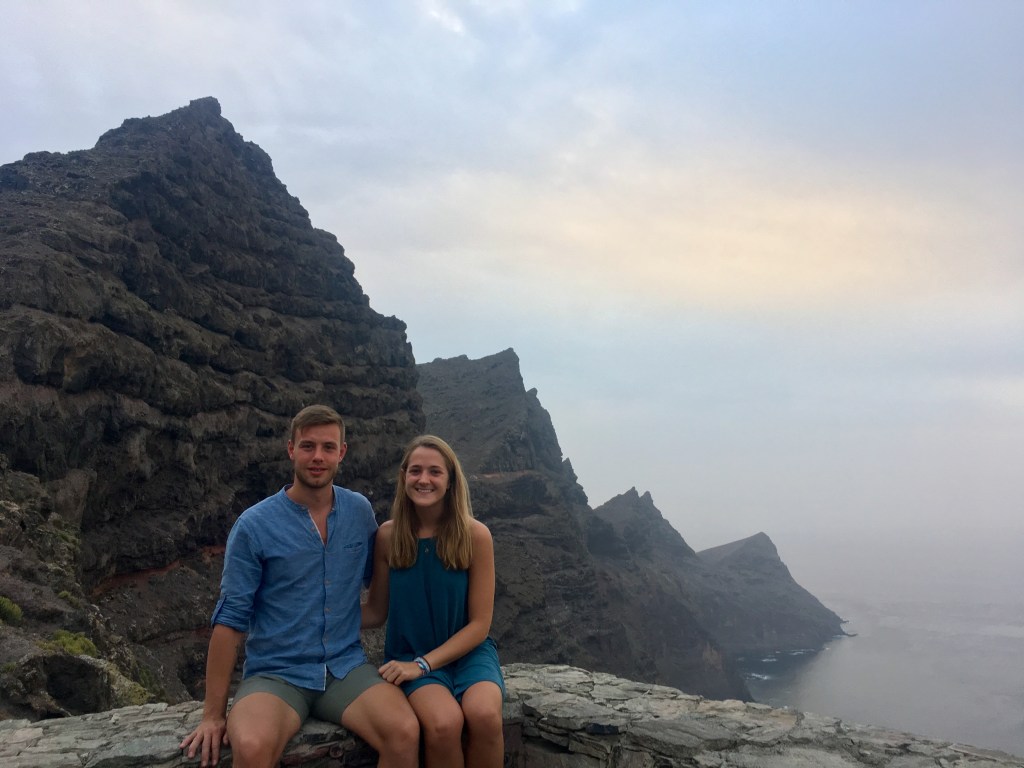
- This spectacular “balcony” viewpoint is in the far west of Gran Canaria and hangs over the sea at the top of a steep cliff edge with spectacular views out over the Atlantic Ocean.
- You can get a clear view of a zigzag wall of sea cliffs called the “Dragon’s Tail”.
- After taking in the smell of the ocean and its vastness, take the coastal road up north towards Agaete.
Agaete
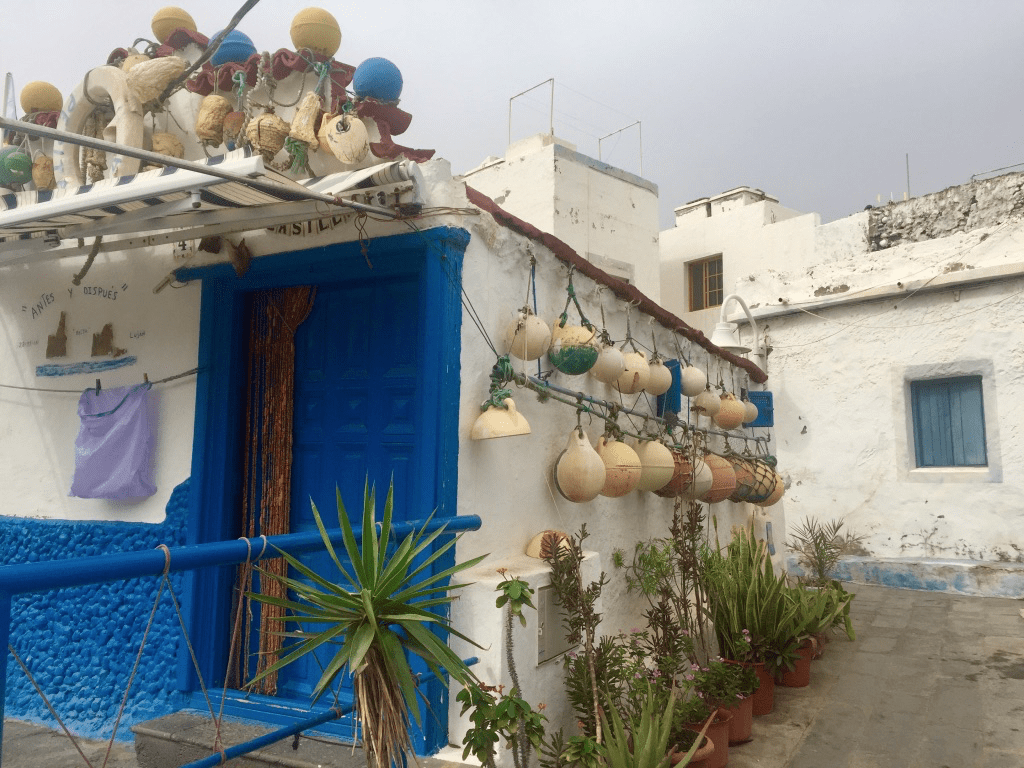
- Enjoy some great walks and the sight of traditional houses in this quiet seaside town full of character, the place to go if you want to experience local life and still get a tan.
- Known as the Spanish Crete, it’s a pretty white town with beautiful architecture and iconic spots such as the Huerto de las Flores walled garden.
- Stroll through the fishermen village’s streets and try some fresh fish.
- The Tamadaba Natural Park is a protected space which contains the biggest pine area on the island of Gran Canaria.
- Go for a swim in the gorgeous creeks’ translucent water or stand atop The Roque, one of the highest active cliffs in the world.
- The Port of Las Nieves is in the coastal area of the municipality. You can observe the Roque Partido (Broken Rock – looks like a fist) or Dedo de Dios (God’s Finger), a symbol for the people of Gran Canarian. Island hoping is made easy with daily cruises to Santa Cruz, the capital of Tenerife also leave from this port.
Galdar
- Explore the Guanche archeological sites in this area including the Cenobio de Valeron consisting of around 300 caves. Most of them were carved out by the Guanches and are linked by a network of tunnels and steps
- Visit Cueva Pintada Archeological Park, where you will learn about the city’s history. Various ceramics and human skeletons were discovered here in 1873.
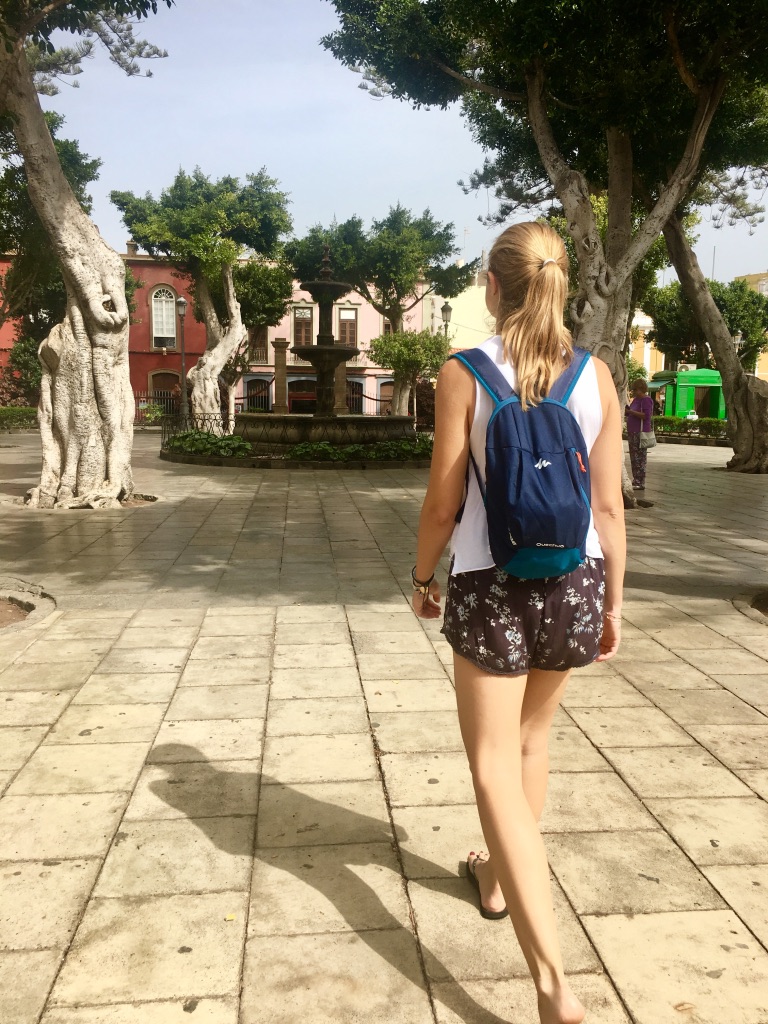
- Walk around Plaza Grande and marvel at the Iglesia Matriz de Santiago de Los Caballeros
- If you’re into hiking, put on your hiking shoes and climb up the mountains to get stunning panoramic view over Gáldar.
- If you’re more into the sea, go diving by the beaches of Boca Barranco.
- Taste one of the city’s specialities, Flor de Guía – a sheep and flower cheese.
Arucas
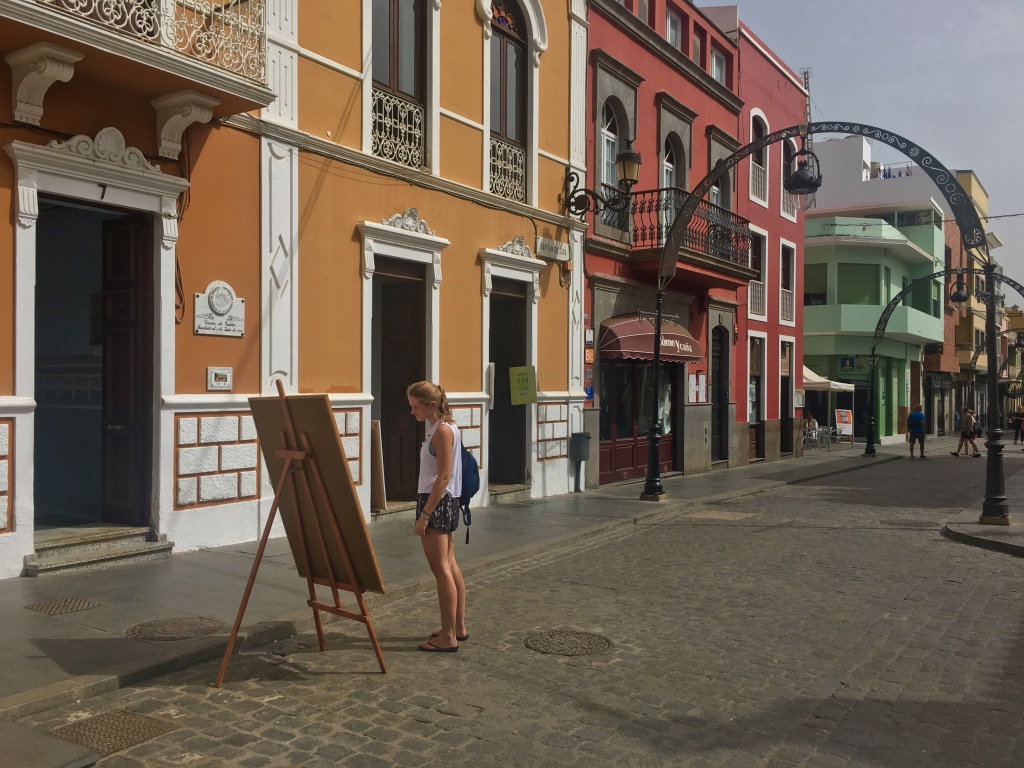
- Drink rum at Arehucas Rum Distillery, the oldest rum distillery in Europe
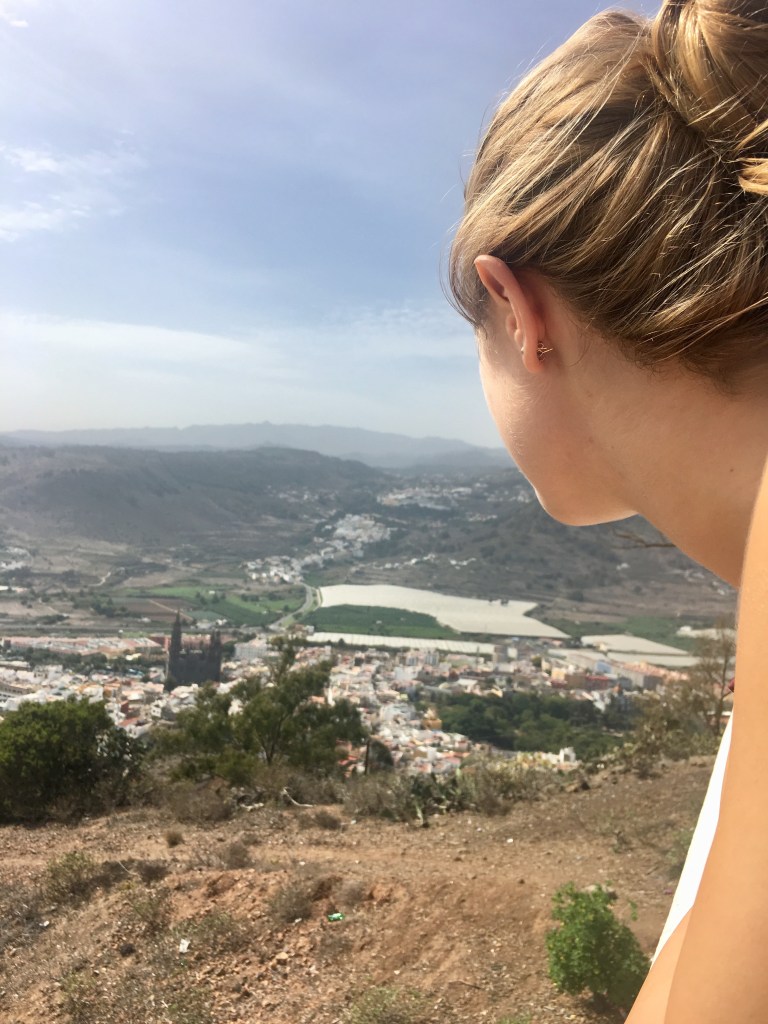
- Check out the gothic and lava stone built Iglesia de San Juan Bautista
Teror
- It doesn’t make you scream as the name may suggest. In fact it’s one of the prettiest and historic locations on Gran Canaria. It’s also a place of pilgrimage and an important site for one of Gran Canaria’s most celebrated religious festivals – the Fiesta de la Virgen del Pino
- Visit the Basílica de la Virgen del Pino at the heart of the village.
- Stroll around the farmers’ market on Sunday mornings and taste local products such as chorizo and black pudding.
Las Palmas
- A combination of beautiful volcanic nature with the advantages of a capital city.
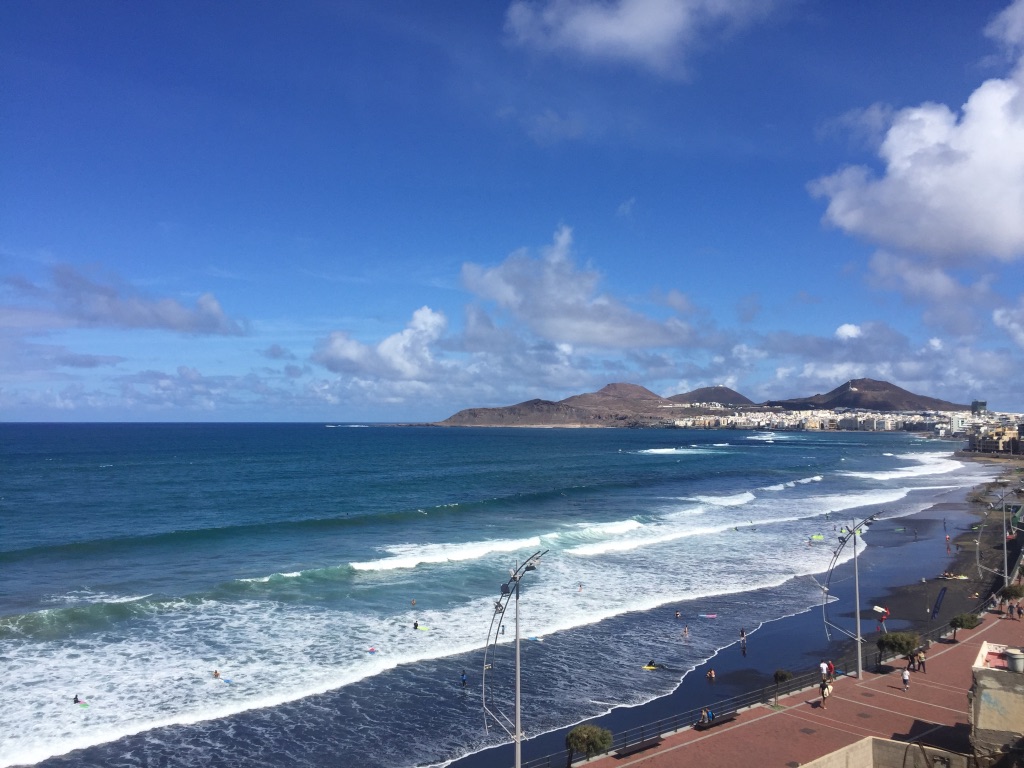
- Las Palmas is very diversified – on the one hand you have the ocean at your fingertips and on the other the sharp mountain peaks rising above the water of the black beaches of Isleta.
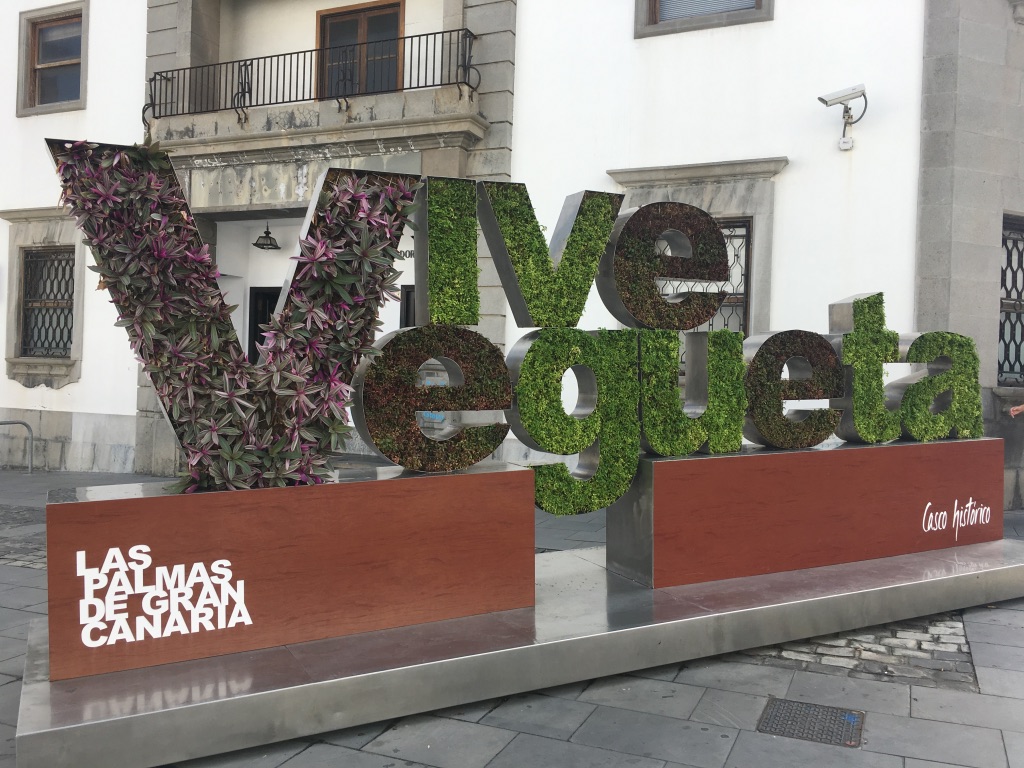
- Stroll around the calmer streets of the historic neighbourhood Vegueta. Discover Plaza Santa Ana and its huge cathedral, la Casa de Colón or the Museo Canario.
- Eat some traditional food: a plate of papas arrugadas con mojo – wrinkled jacket potatoes covered with a strong, spicy garlicky flavoured sauce.
- Enjoy the nice weather and go explore Parque Doramas, full of palm trees, geese and waterfalls.
- Go to the Vieja y Clavijo Botanical Garden where you will discover many Canarian plants! Beware of the animals too!
- Every evening the city’s main squares or narrow streets at Santa Catarina Park turn into meeting places for people of all ages – here you will find many restaurants and shops.
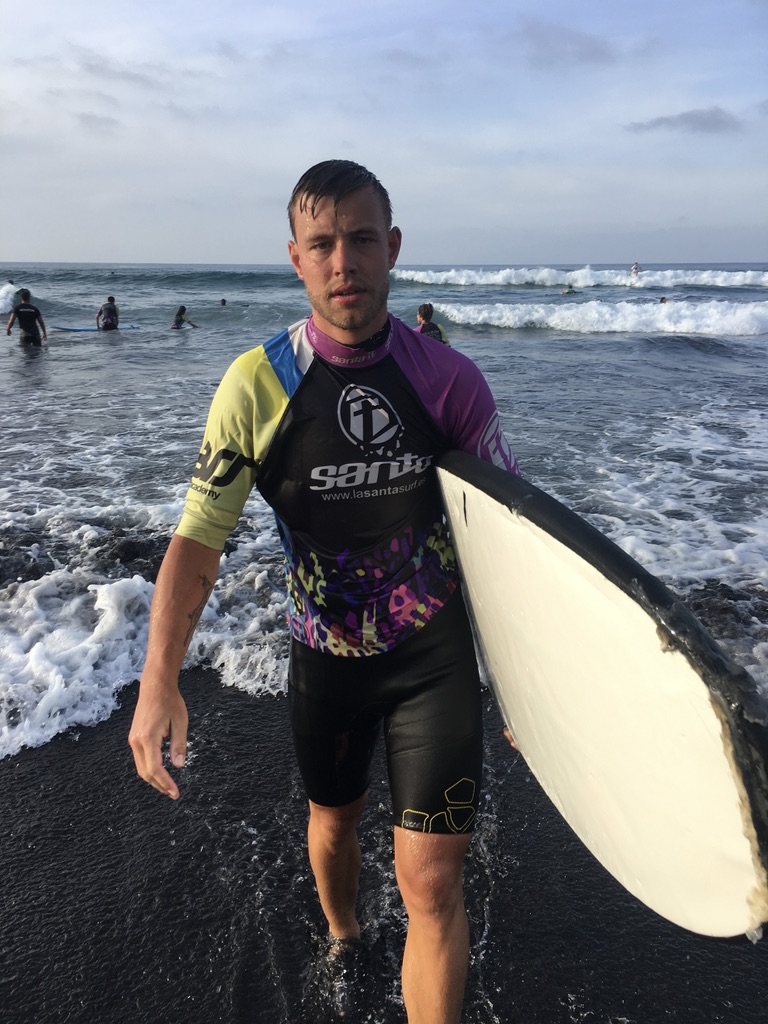
- If you want to try something new, sign up for a surf course and enjoy the waves at Playa de Las Canteras.
- If you’re more of an advanced surfer, walk up to playa El Confital or La Cicer and catch some of the island’s best waves.
- If you are more of a hiker, climb up the hill at La Isleta district, from which you’ll get an amazing view over the city and of the rocky coast and the ocean.
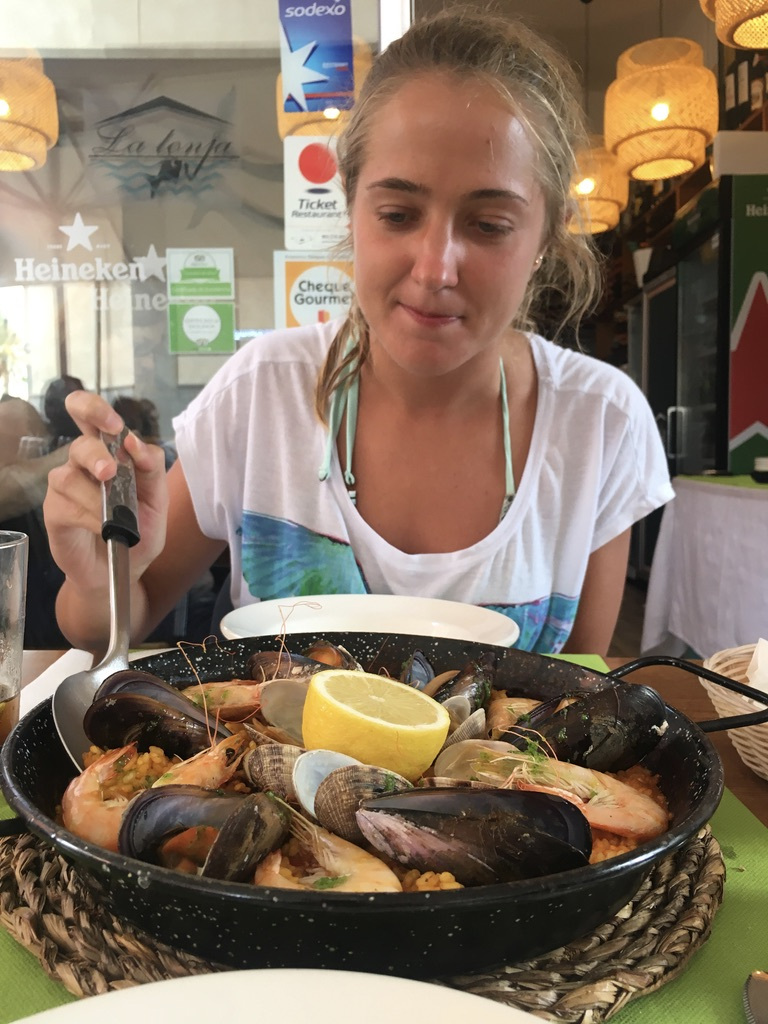
- Eat paella for dinner at a restaurant along the promenade with a view of the sea.

Telde
- Driving from Las Palmas, stop at Caldera de Bandama – a million of years old crater!
- Admire El Bufadero de la Garita – the blowhole (best at high tide)
- Discover Telde‘s heritage in religious altarpieces and pretty brightly painted colonial houses with rows of balconies as well as charming narrow cobbled streets.
- Walk around the streets of the city center, the San Juan neighbourhood.
- Taste “Tuno” or “prickly pear” – the fruit of cacti.
- Drive back to the airport and say goodbye to the beautiful island of Gran Canaria.
 Two Shoulder Straps