
2 weeks in Costa Rica by bus
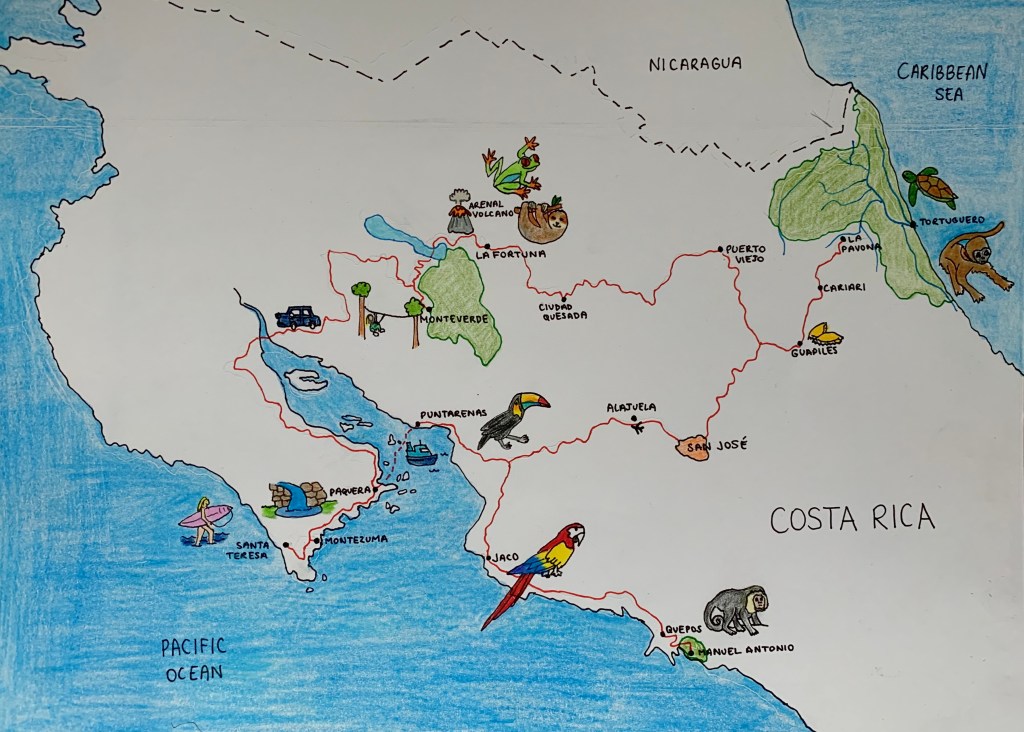
If you want to experience a bit of everything of what Costa Rica has to offer, then this two-week itinerary by bus is for you. You’ll visit San José, Tortuguero National Park, the towering Arenal Volcano, Monteverde’s cloud forest, and the remote beaches of Guanacaste. There will be plenty of activities to choose from along the way: visit the most famous national parks, experience all the adventure activities, soak in some sun on the Pacific or Caribbean beaches, and view an abundance of exotic wildlife.
Highlights
- Spot monkeys and rare birds at Tortuguero National Park
- Go hiking in Arenal Volcano National Park
- Zip-line across the Monteverde Cloud Forest
- Experience the most biodiverse national park in the world
- Relax or surf on the remote beaches of Guanacaste
| Day | Destination | Overnight |
| 1 | Arrival in San José, Costa Rica | San José |
| 2 | San José to Tortuguero National Park | Tortuguero |
| 3 | Tortuguero National Park & canoe trip | Tortuguero |
| 4 | Travel to La Fortuna & go sloth spotting | La Fortuna |
| 5 | Mistico Hanging Bridges & Arenal Volcano | La Fortuna |
| 6 | Travel to Monteverde & cloud forest | Monteverde |
| 7 | Zip-lining in Monteverde & coffee tour | Monteverde |
| 8 | Travel to Santa Teresa & go surfing | Santa Teresa |
| 9 | Montezuma waterfall | Montezuma |
| 10 | Travel to Manuel Antonio & beach | Manuel Antonio |
| 11 | Manuel Antonio National Park | Uvita |
| 12 | Uvita & whale watching | Uvita |
| 13 | Nauyaca Waterfall | San José |
| 14 | San José departure |
Day 1: Arrival in San José
Welcome to Costa Rica, the land of pura vida! After arriving at Juan Santamaria International Airport (actually located in Alajuela and not San José), take a bus into the center of San José and check into your hostel. Note: There are MANY bus terminals in San José so bear your onwards plans in mind when booking your accommodation.
Take a stroll through Mercado Central (Central Market), the largest in the city, with over 200 shops, food stalls, and sodas (traditional restaurants). These sodas are perfect spots for an inexpensive lunch of casado—a traditional dish of rice, beans, and meat, served with tortillas. For more information about food in Costa Rica read our blog Top 5 Foods in Costa Rica. Then visit the Catedral Metropolitana (Metropolitan Church), whose interior combines Greek Orthodox, Neoclassical, and Baroque styles, and features wood carvings and stained-glass windows.
Be sure to explore Barrio Amón, a historic neighborhood home to cafetalero (coffee grower) mansions built during the late 19th and early 20th centuries. Many of this area’s historic buildings have been converted into hotels, restaurants, and galleries, making Amón a popular bohemian district.
Recommended accommodation: Stray Cat Hostel (12$/bed in 8 bed dorm incl. tax & breakfast). Centrally located 10 mins walk from airport bus, 15 mins walk to Gran Terminal del Caribe.
Day 2: Tortuguero
How to get to Tortuguero from San José?
- San Jose to Cariari; 6:30a.m., 9a.m., 10:30a.m., 1p.m. ($4, 2hours)
- Cariari to La Pavona; 9:00a.m., 11:30a.m., 3p.m. ($2, 1.5hours)
- La Pavona to Tortuguero by boat; 11a.m., 1p.m., 4:30p.m. ($5, 1hour)
Note: The canals are very curvy and you can get wet. Keeps your eyes open for iguanas, caimans and birds.
Note: We took the bus from San Jose at 6:30a.m. and arrived in Tortuguero around 12:30p.m.
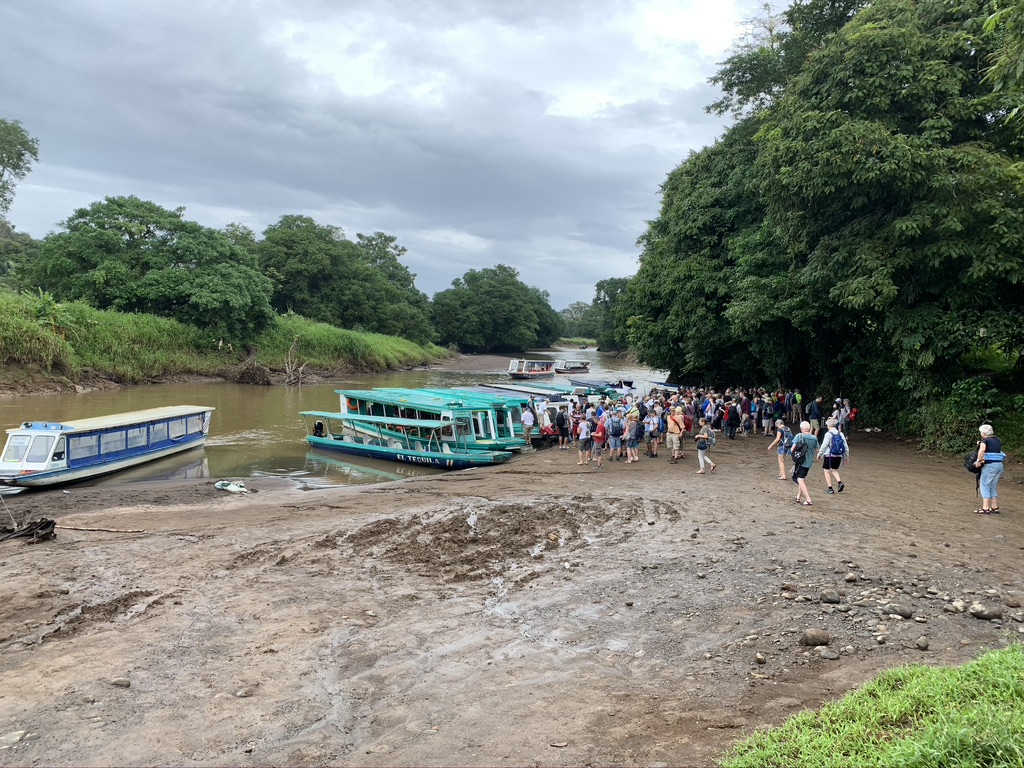
The town of Tortuguero is a small village with a population of approx. 1.500 people. Due to the ban of cars and scooters, it is a super tranquil place that offers everything from 3 supermarkets and multiple B&B’s to a couple of restaurants and beaches. You see more locals “ticos” than tourists in the streets – which is due to the inconvenient way of getting there (only a 30 min expensive flight from San Jose is another option). Check into your hostel and then go explore the beach and town and try some local food. We recommend pechuga (fried chicken), papas (fries) and fried patacones. Find out more about local Costa Rican food in our blog Top 5 Foods in Costa Rica.
What’s special about the beach in Tortuguero?
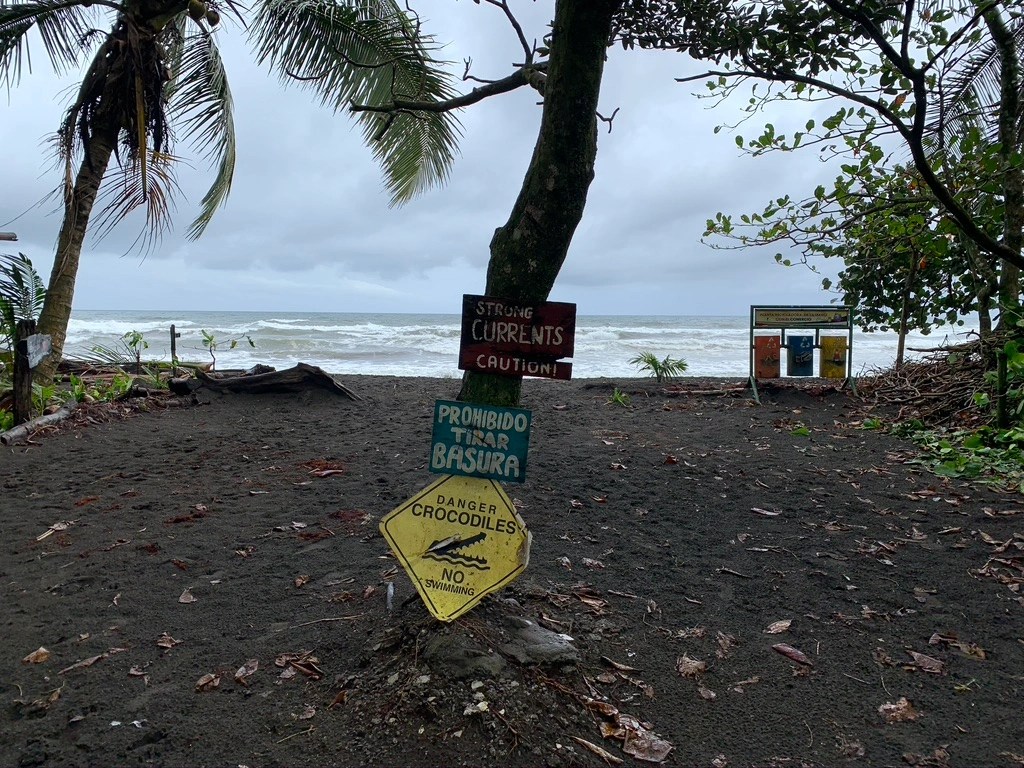
Swimming is strictly prohibited at the beach in Tortuguero. The strong currents in this part of the Caribbean Sea are quite important for the migration of turtles to the beach, but they are too dangerous for people. There are also crocodiles around the shore that might not be your best friend.
Recommended accommodation: Hostel Tortuguero 7BackPackers ($14/bed incl. tax & breakfast)
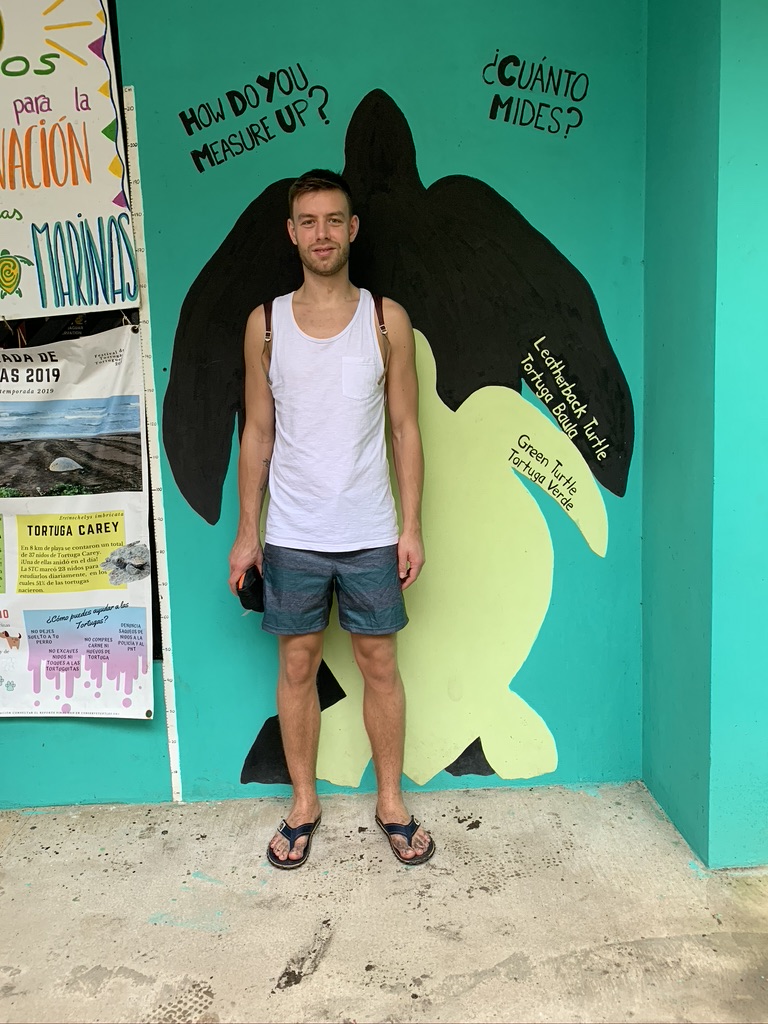
To learn more about the biotope in Tortuguero, take a walk on the beach to the Turtle Conservation Center. The different species of turtles, that come to the Costa Rican coast, nest between April and August. Every year it’s a spectacle that brings a high flow of tourists to Tortuguero to watch it.
Turtle nesting facts
- A baby turtle swims for the first six days (without stopping) after touching water for the first time. The proteins in the yolk give the baby turtle enough energy for its first trip.
- Female green turtles not only have an ability to locate a particular home nesting shore, but also tend to return again and again to the same part of the beach. During each breeding migration they generally nurse from 2 to 5 times, and intervals of about 12 days.
- An individual female never nests in consecutive years, most often returning at intervals of two, three or four years. The female turtle lays about 100 eggs each time she comes ashore. Incubation time is about 60 days and the sex of the hatchling is determined by the incubation temperature; the warmer the nest, the higher the percentage of females.
Day 3: Tortuguero
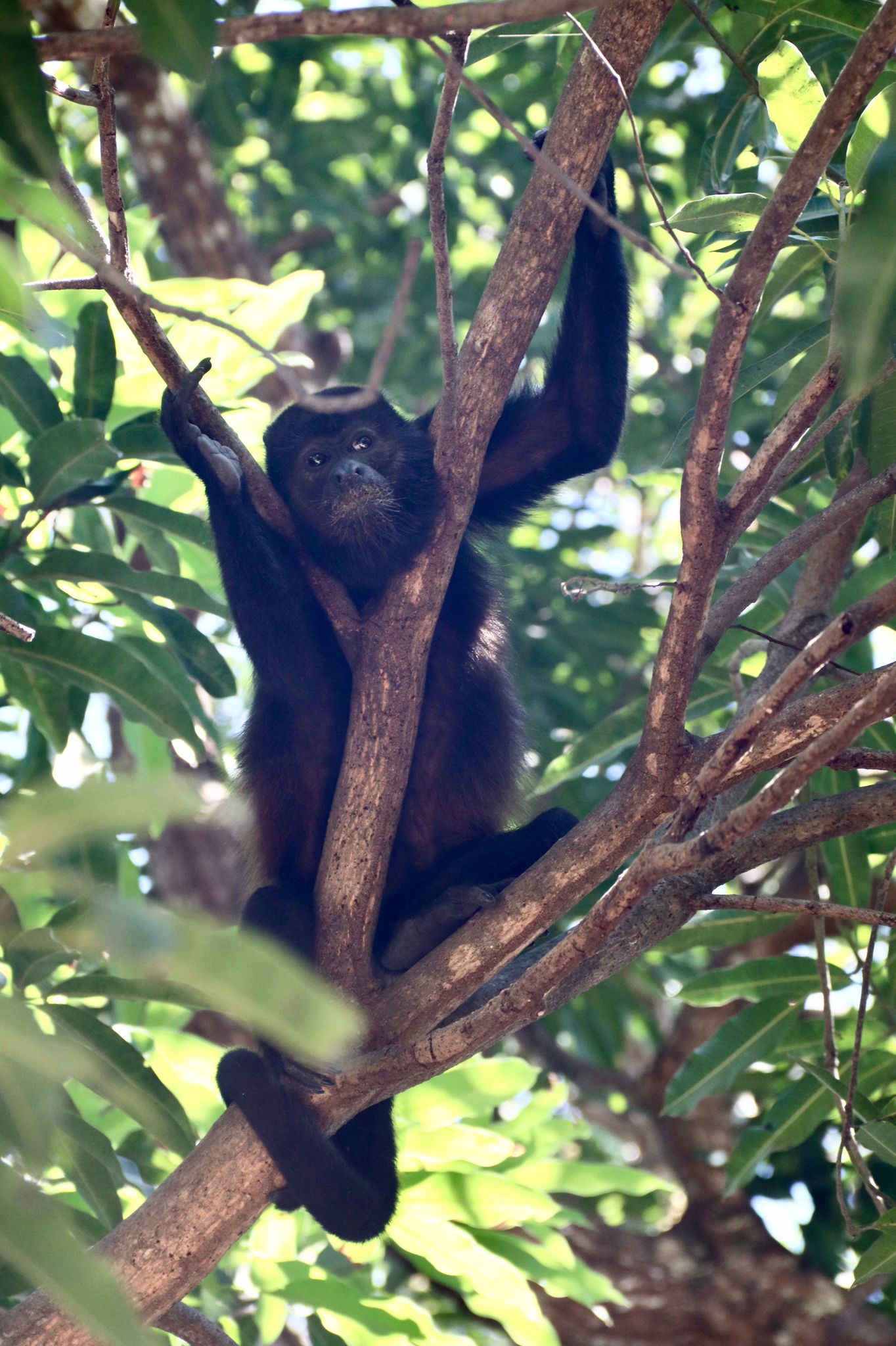
Start the day early with a 6am guided canoe trip around the waters of Tortuguero National Park ($25pp; approx 2.5 hours). We booked our tour through our hostel, and our tour guide Alex paddled the 6 person canoe around the rivers and between the mangroves and lush green trees; all we could see above our heads was the vast jungle canopy. We were able to spot tiger herons, collared aracaris (a type of toucan), kingfishers, green herons, anhingas, blue herons, Jesus Christ lizard (can run on water), iguanas, two toed sloths and howler monkeys (roaring in the rain), a caiman and a boa constrictor.
Heron fun fact: When young, the birds are white and after about a year their plumage turns a grey/blue colour.
After returning to the mainland disembark the canoe and head back to your hostel for a hearty Costa Rican breakfast of Gallo pinto, scrambled eggs and sweet plantains.
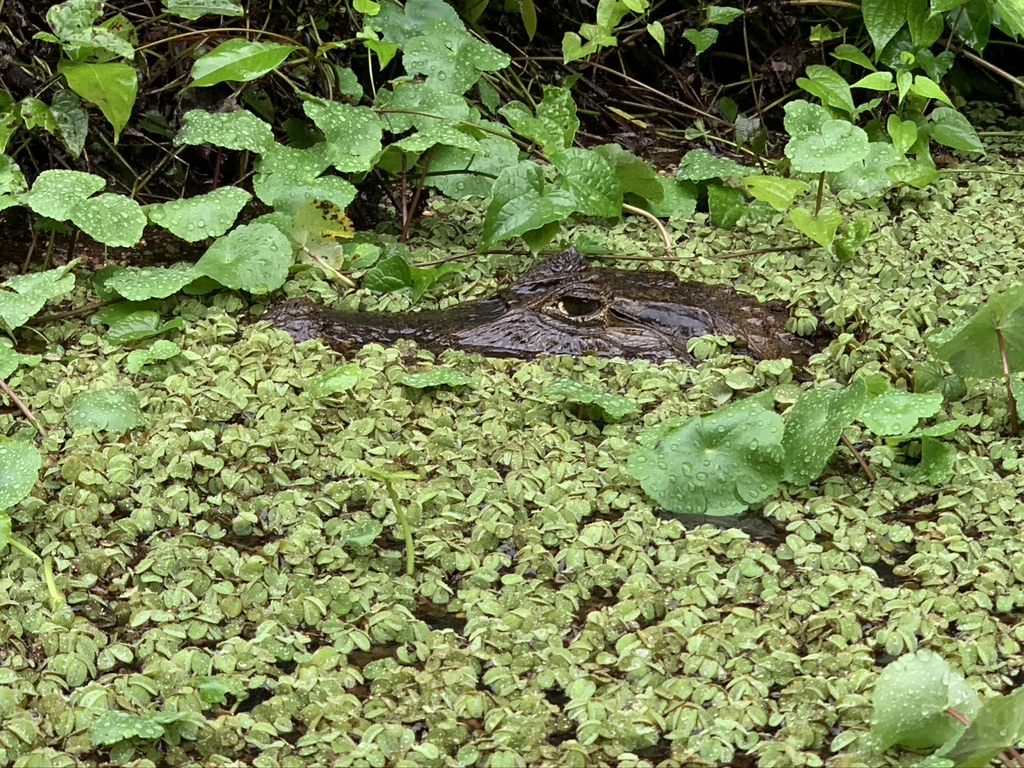
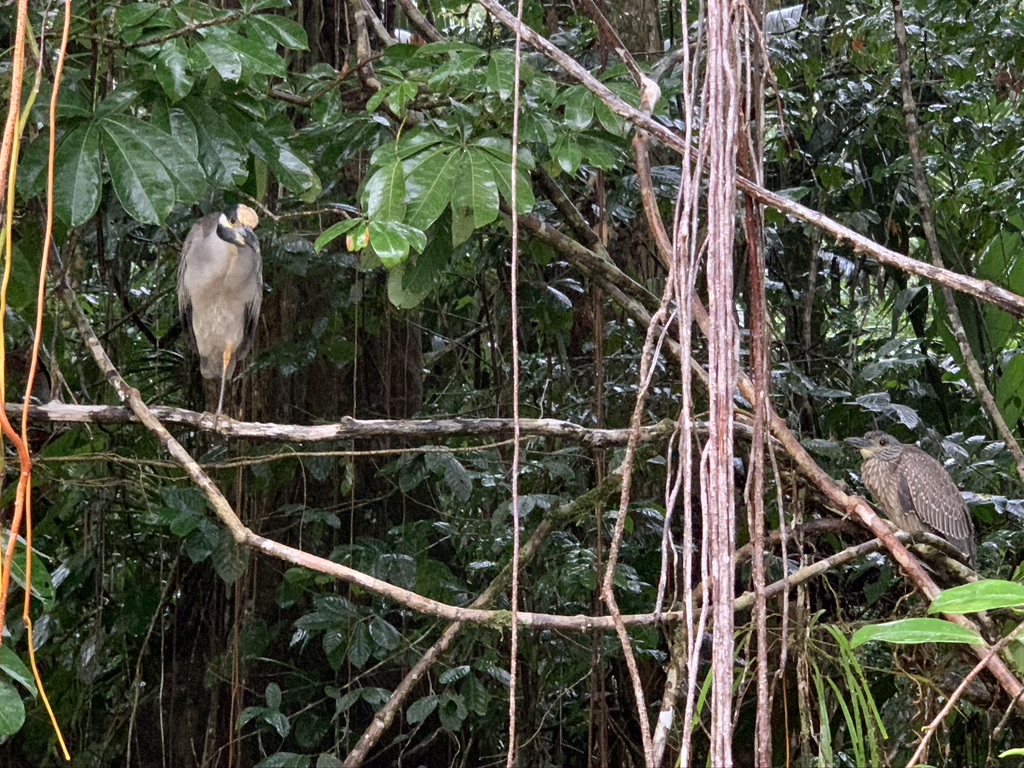
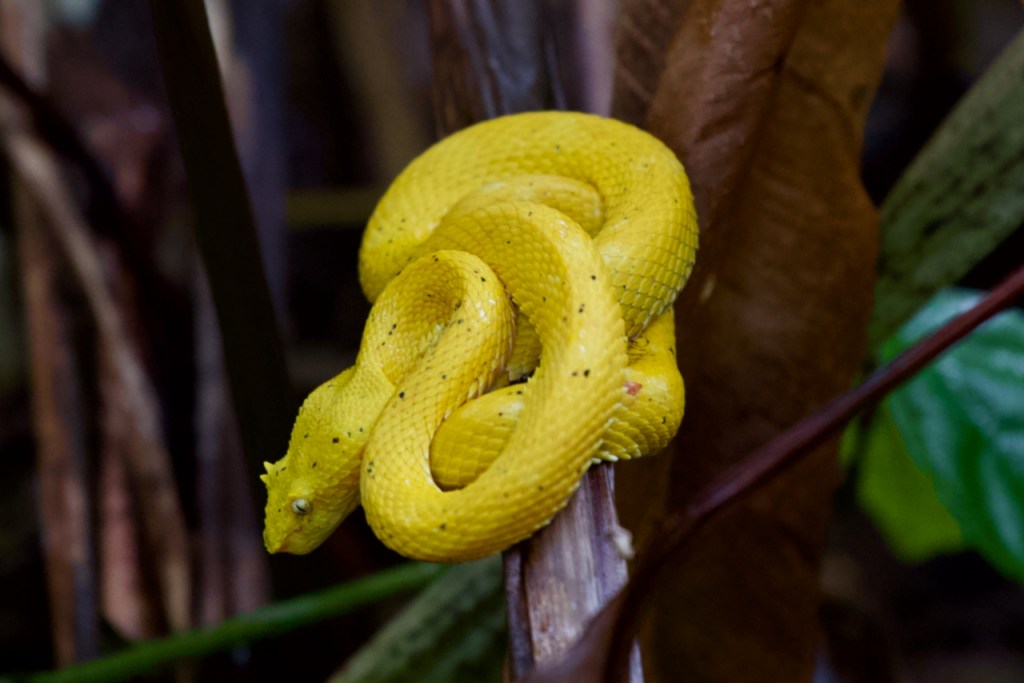
After filling your belly, set off to explore Tortuguero National Park, a wet tropical forest, home to 751 species of plants, 125 mammals, 375 birds, 104 reptiles and 65 species of amphibians and covering an area of more than 75,000 hectares. The price of admission is $15 and the park is accessible from 6a.m. – 12p.m. and from 1p.m. – 4p.m. You will have a chance to discover all sorts of species (such as monkeys, sloths, insects, snakes), just keep your eyes open, and look high AND low!
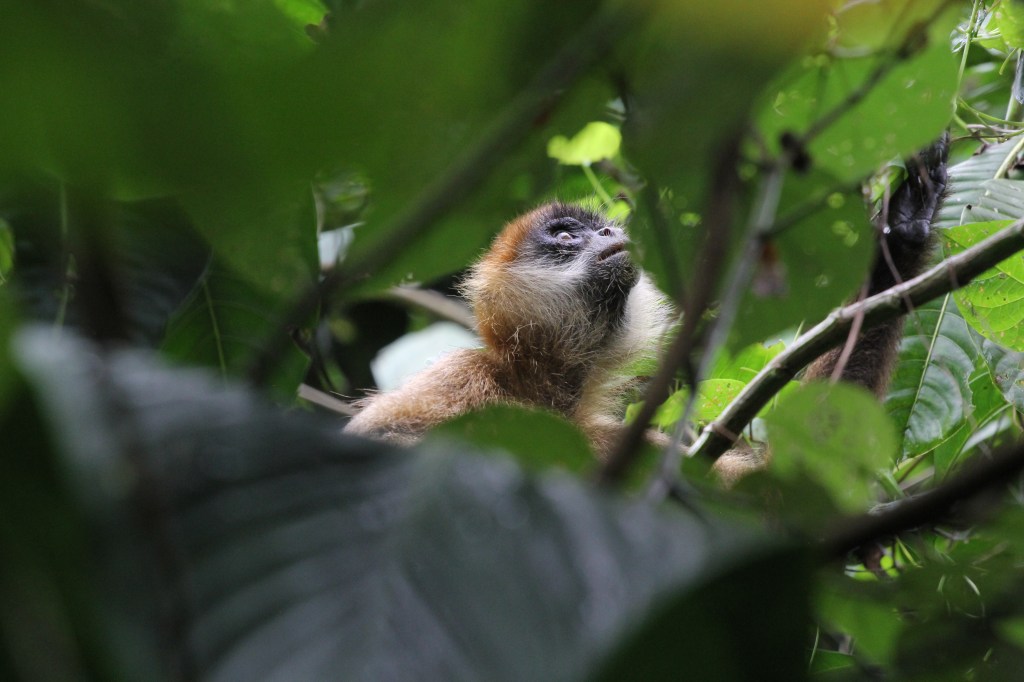
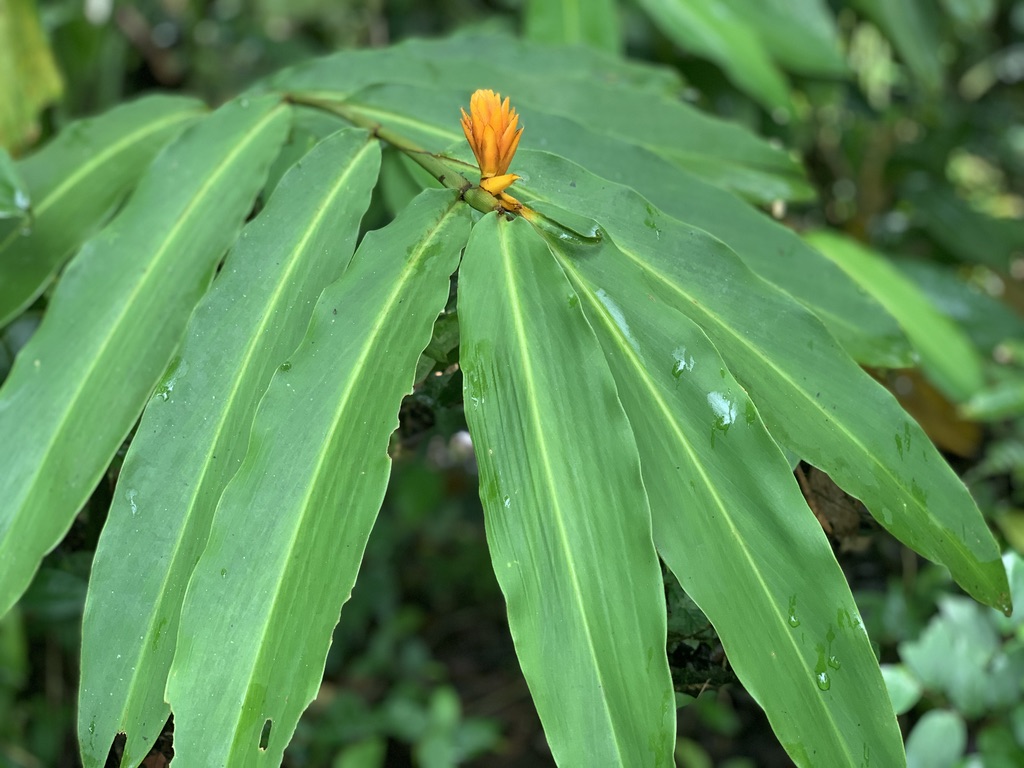
Day 4: La Fortuna
How to get from Tortuguero to La Fortuna?
- Tortuguero to La Pavona; 5:20a.m., 9a.m., 11a.m. ($5, 1hour)
- La Pavona to Guapiles (or through Cariari); ($5, 1hour)
- Guapiles to Puerto Viejo de Sarapiqui; 8a.m.($2.5, 1hour)
- Puerto Viejo de Sarapiqui to Ciudad Quesada; 9a.m., 1p.m., 3p.m. ($3, 3 hours)
- Ciudad Quesada to La Fortuna; 12:20p.m., 1:20p.m., 3:30p.m. ($2, 2 hours)
Note: Most tourists going to La Fortuna from Tortuguero either take private shuttles, or go back to San Jose and then take another bus. The former option is really pricey, and the latter takes more time than our alternative.
Note: We caught the 5:30a.m. boat from Tortuguero and arrived in La Fortuna at 2:30p.m.
Recommended accommodation: Arenal Hostel Resort (16$/bed in 8 bed dorm incl. tax). Cool vibes hostel with hammocks, pool & bar offering welcome tequila shots w/ pineapple instead of lime.
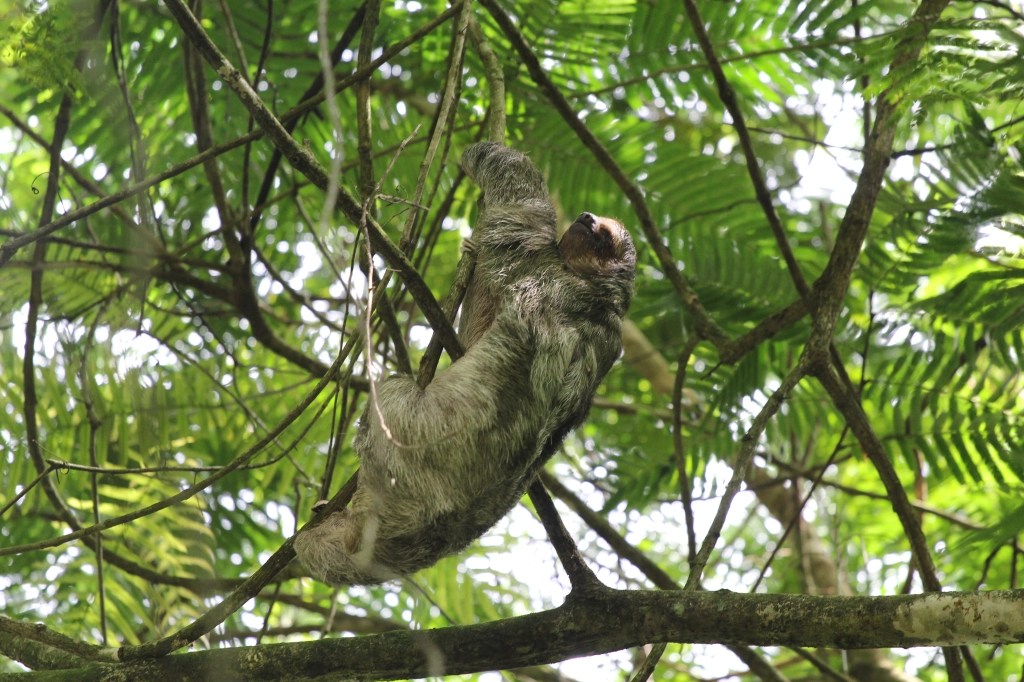
Drop off your bags at your hostel and go sloth spotting at the Bogarin Trail. The best time to spot sloths is either in the morning or late afternoon, when it isn’t so hot anymore. The Bogarin Trail is a 2km trail on a private reforested property offering high chances to see birds, Black Mandibled toucans, frogs and most importantly sloths! For more info about Costa Rican wildlife read our blog Costa Rica Wildlife.
The property offers guided tours, during which the tour guide stops on the path when they see an animal, but we just paid the self-guide price of $10 (you get a bracelet and can go in as many times as you like) and followed not too far behind to get a heads up where the animals were. There are two types of sloth in Costa Rica, the two toed and three toed (or “fingered”, which is more anatomically correct). They are the slowest mammal in the world and are vegetarian. Sloths sleep for 20 hours/day, and are so sedentary that green algae develops on their fur. This develops a perfect ecosystem and the sloth doesn’t have to move to find food, instead choosing to eat the algae off of its fur. During the short loop trail, you have a really good chance to see sloths. The first time we entered the trail we saw 4, and when we went back the next morning we saw 3! For more information about animals in Costa Rica read our blog Top 5 Animals in Costa Rica.
Day 5: La Fortuna
Today your day will be full of walking! Start your day by catching the 8a.m. bus heading Lake Arenal and get off at the Arenal Volcano National Park. The park entrance fee is $15 for adult foreigners and $5 for children. The park is open daily 8 AM to 4 PM. You don’t need to be in super great shape to hike the national park as the trails aren’t very long or steep.
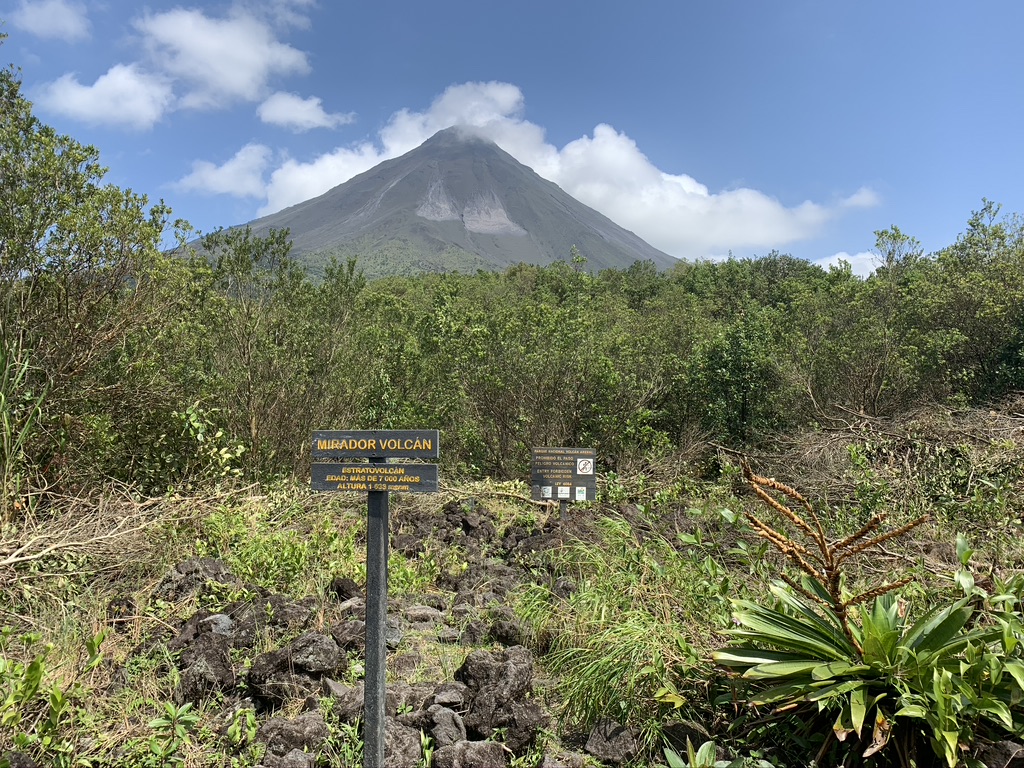
The 29,692 acre (12,000 hectare) national park, has 2 short trails (Coladas de Lava; 3.4 km and Tucanes; 2 km) that pass through both secondary forest and lava fields from previous eruptions. During your hike you have a chance to see a multitude of animals. You might spot deer, tapir, howler monkeys, white-faced monkeys and snakes, or birds like parrots, orioles and brown magpies. On the Lava Trail you will walk out of the forest and through some lava fields, where you’ll come to a clearing of lava rocks and get a spectacular view of the volcano (hopefully it’s a clear day!).
Arenal (1670m) is Costa Rica’s most active volcano, and since July 29, 1968 its lava flows have been consistent. On this day in 1968, three craters burst open along the volcano’s western flank. Arenal Volcano is currently active. It used to spew lava and throw rocks before 2010 but after 2010, it has been quiet and only smoking.
Arenal plays a large role in Costa Rica’s power production. Lake Arenal which rests at the base of the Arenal Volcano, supplies 12% of the country’s hydroelectric energy. On the opposite side of the lake, wind farms generate wind energy, and the Miravalles Volcano Geothermic Plant uses the area’s volcanic activity for electrical power.
After exploring the park, head to Mistico Hanging Bridges (no local buses go that way, best option is to split a taxi or uber) where you can enjoy the tropical rain forest through hanging bridges with views of the volcano. The self-guided tour costs $26 and you must book a specific time slot in advance and wear close toed shoes. If you don’t have close toed shoes, like we didn’t, you have to sign a waiver that the park isn’t liable if you get bitten by a snake.
When going on the self-guided tour, pay special attention to the different layers of the rainforest, from the treetops, the understory and the forest floor; this way you will be able to appreciate many of the species living in this spectacular biological corridor. We were able to spot many spider monkeys, iguanas, a red eyed tree frog and a sloth!
The park is made up of 6 hanging bridges, suspended above various layers of the jungle, with views of Arenal Volcano. It also has 10 normal bridges and the whole park (approx. 3km) takes above 2.5 hours to explore. We were captivated by the vastness of the jungle and surreal experience of hanging above the canopy with a view of all the wildlife.
After exploring the park, head to one of the hot springs to relax after a long day. The hot springs in La Fortuna range from luxury to completely free, with the EcoTermales and Tabacón Thermal Spa being two of the more pricey ones, and the free natural hot springs being just upstream from Tabacon. There’s a short path on the north side of the road that leads down to the river. Once you see the river, look for large rocks forming a pool where the thermal water bubbles up. There’s no official entrance or security, so take care of your things.
Day 6: Monteverde
How to get from La Fortuna to Monteverde? (Jeep-Boat-Jeep)
- Jeep-Boat-Jeep; 8a.m., 2p.m. ($32/$36, 3.5hrs) – fastest and most convenient way between these two places (we won’t even mention the busing alternative here)
Note: We opted for the early transfer and arrived in Monteverde before noon.
Recommended accommodation: Sleepers ($10/bed in 4 bed dorm or $25 double bed ensuite – offers delicious breakfast and a chill vibe)
Monteverde comes from the two words “monte” meaning mountain and “verde” meaning green, and it sure lives up to its name. It is an area 1,440m above sea level and set within an almost mythic cloud forest. The main town of Monteverde, Santa Elena is a tiny, triangular shaped, tourist hotspot. It takes about 10 minutes to walk around the circumference, and it’s full of restaurants, hostels, tour companies and gift shops. There are loads of possibilities for tours here, from cloud forest hikes, to bat jungles or ziplining.
Cloud forests are rare forests that occur within tropical or subtropical mountainous environments, where the atmospheric conditions allow for a consistent cover of clouds. Cloud forests often take the form of fog, low-hanging clouds that hang above the upper canopy of the forest, condensing onto the leaves of trees and adding life to the green plants. You are literally walking through the clouds. Understandably, the sun has a hard time breaking through this thick veil of clouds. This causes a slower rate of evaporation and thus provides the plants with a bounty of life-giving moisture. This moisture helps to promote a huge amount of biodiversity, particularly within the type of plants known as epiphytes.
For your first day in Monteverde, head to the Monteverde Cloud Forest Biological Reserve which is open daily from 7 a.m. to 4 p.m. Buses ($1 each way) heading to the reserve leave from the Banco Nacional in Santa Elena at 6:15a.m., 7:20a.m., and 1:15p.m. Return buses leave the reserve at 11:30a.m., 2p.m., and 4:00p.m. This cloud forest is home to over 100 species of mammals, 400 species of birds, and 1,200 species of amphibians and reptiles. It’s one of the few remaining habitats that support all six species of the cat family; jaguars, ocelots, pumas, oncillas, margays, and jaguarundis, as well as the endangered three-wattled bellbird and quetzal. It is positioned at the location of the Continental Divide where the Atlantic and Pacific slopes collide.
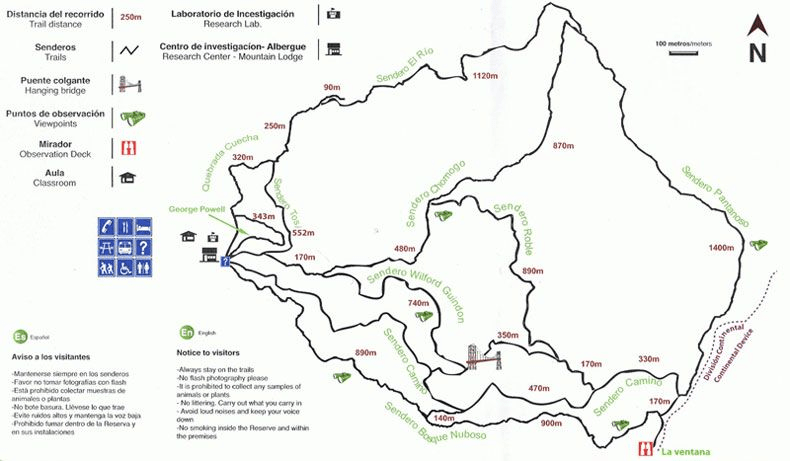
You can do either a guided or non guided ($25 foreigners, $8 citizens) walk through the Monteverde Cloud Forest Reserve. This reserve’s nine trails amount to 13 km of path to explore.
- Sendero Bosque Nuboso (Cloud Forest Trail): 2km, 1.5 hours. What to see: strangler fig plants, quetzal
- El Camino (The Road): 2km, 1.25 hours. What to see: birds, butterflies – this trail leads to the notable red hanging bridge (100m high with views of the canopy)
- Sendero Pantanoso (Swamp Trail): 1.6km, 1.25 hours.What to see; magnolias, stilt rooted plants
- Sendero El Río (River Trail): 2km, 1.5 hours. What to see: waterfall, zapote trees.
- Sendero Chomogo: 1.8 km, 1.25 hours. What to see: oak, bamboo, and heliconia
- Sendero Brillante (Shining Trail): 0.3 km, 10 mins. What to see: bamboo, overlook on an elfin forest.
Day 7: Monteverde
Monteverde offers MANY ziplining opportunities, with various tour operators around town that cooperate with certain hostels. Our hostel told us that Extremo ziplining is the best, with the Canopy tour offering 16 zip lines, 2 super man swings, rappelling and a Tarzan swing at 8a.m., 11a.m. or 2p.m. We opted for the 8a.m. option for $52/person and 3 hours of fun. After a big breakfast (for us it was included in our hostel), you’ll be picked up at 7:30a.m. and driven to the Extremo base. You’ll sign a waiver and then someone will assist you with putting on your gear and give you ziplining instructions (The cables have an approximate height between 75 meters and 150 meters). Then you’re off! Note: while ziplining have one hand behind you surrounding the cable. Don’t press down too hard or you will start to brake and rotate; very dangerous!
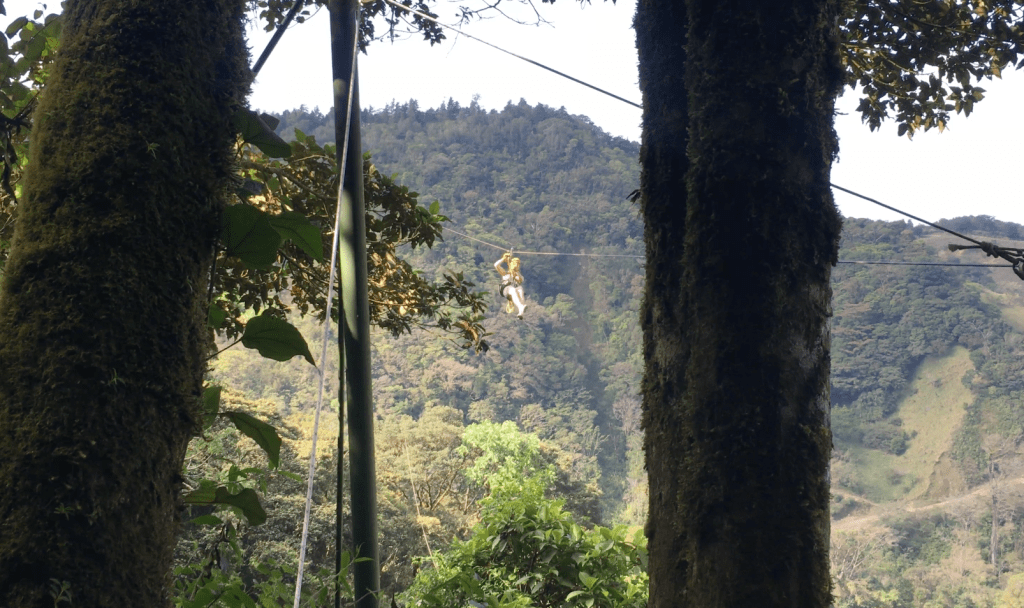
After 16 normal ziplines, it will be time for the Superman. Your harness will be rotated, you’ll be clipped into the line from the back, resulting in a laying down position. You’ll be suspended in the air, front faced down, with your feet in rope loops and arms crossed in front of your chest. Then all of a sudden you’ll find yourself flying over the forest canopy, just like Superman. Note: there’s no way of messing up on this one, because you’re strapped in so tightly like a burrito.
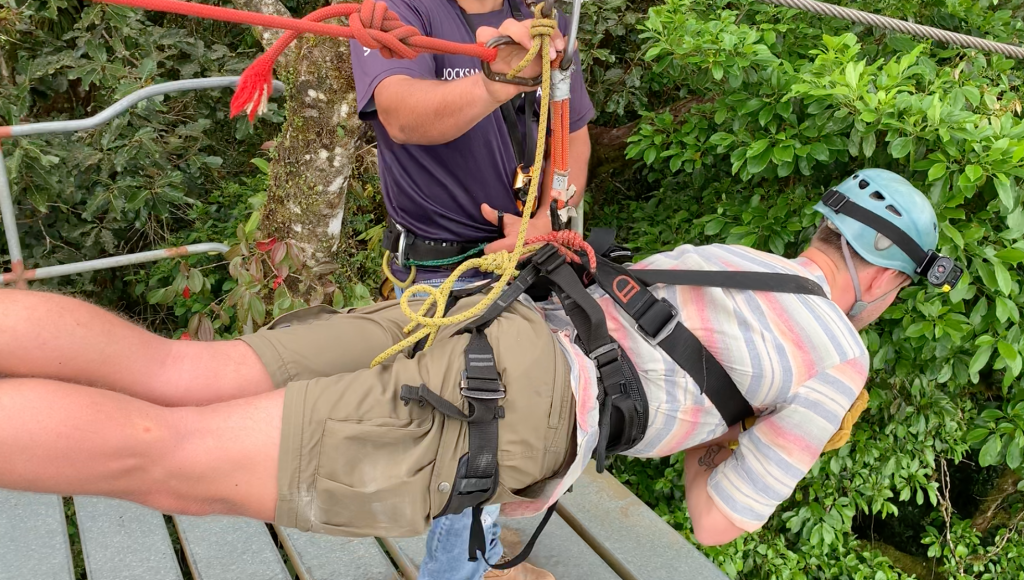
Last but not least is the Tarzan swing. You climb up a tall 55m tower, you’re then clipped into another rope mechanism that suspends you in the air. The ground below you is removed and after a short countdown you’re released into free fall. I don’t know how much time passed by (probably only a second), but then the rope kicked in and starting swinging me. Such a thrilling experience! You’ll finish off the tour with that boost of adrenaline and board the Extremo van around 11a.m., to be back in Santa Elena at 11:30a.m.
Next sample free coffee and learn about the Costa Rican coffee roasting process with Cafe Monteverde Coffee Tour. Costa Rican coffee comes from different strands of the Arabica bean. Did you know that it’s actually light roast coffee that has the most caffeine, not dark roast? In the natural process the whole seed is dried, whereas in the honey process the outside layer is removed before drying so that the bean absorbs sweetness from the next layer. Cafe de Monteverde is one of the nation’s foremost coffee plantations and cafes; learn about how a delicious cup of java goes from coffee cherry, to bean, to brew on this cultural, historical, and tasty tour. After taking time to savor and differentiate aromas and flavors, and getting a caffeine boost, head back to Santa Elena.
Day 8: Santa Teresa
How to get from Monteverde to Santa Teresa?
- Monteverde to Puntarenas bus; 5:30a.m. ($4, 2hours)
- Puntarenas to Paquera ferry; 9a.m., 11a.m., 2p.m., 5p.m ($2, 1hour)
- Paquera to Cobano; 10:30a.m., 12:30p.m., 3:30p.m, 4:15p.m ($2, 1.15hours)
- Cobano to Santa Teresa bus; 10:40a.m., 11:50a.m., 2p.m., 4p.m ($2, 45mins)
Note: We took the 5:30a.m. bus from Monteverde and arrived in Santa Teresa around 12:30p.m.
Recommended accommodation: Santa Teresa Surf Vista Villas ($77/studio apartment, 700m from beach) Caution: Santa Teresa is one of the most expensive places in Costa Rica.
After travelling for so long it’s time to hit the beach. The picturesque appearance of the beach with its white sand, palm trees, pelicans in the air and surfers in the waves made our day.
Santa Teresa is a coastal paradise on the southern tip of the Nicoya Peninsula in the Guanacaste province of Costa Rica. It is famous for its excellent surfing and wild palm-tree-lined beaches. Santa Teresa town is a 4km long bohemian street with many delicious restaurants, clothing shops, co-working spots, boutique hotels, ice cream cafes, yoga studios, and eco-stores.
If there’s one thing to do in Santa Teresa, it’s surfing because the town is all about exactly that! Whether you’re a beginner or advanced, surfing in Santa Teresa is for everyone with many surf spots around. This region is known for different breaks and constant swell all year round. At Playa Hermosa, you can find the best beginner waves, and this is where you’ll also find that most of the lessons will take place. It’s all soft sand without any rocks. In between Mal Pais and Santa Teresa is Playa Carmen which has more advanced waves with stronger currents.
You can rent a board for around $10-15 for the day, or if you’re an absolute beginner try a surf lesson for $50 (make sure to wear a UV protection shirt). We rented a foam board (not wood), that measured 7’4’’. The shorter the board, the more professional the surfer. Surfing is tiring, especially as a beginner, because you are mostly taking the waves that have already broken into the foamy part, riding them to the shallow end for a couple of seconds, and then paddling out again to take the next ones. After about two hours of back and forth switching, our arms were exhausted.
The sunsets at the Pacific ocean are out of this world, and in Santa Teresa you’ll get to experience them first hand. You have two options:
- Watch the sunset directly at the beach. Cost: free (we opted for this option)
- Go horseriding along the beach for sunset: Cost: $60/person for approx. 2.5 hrs
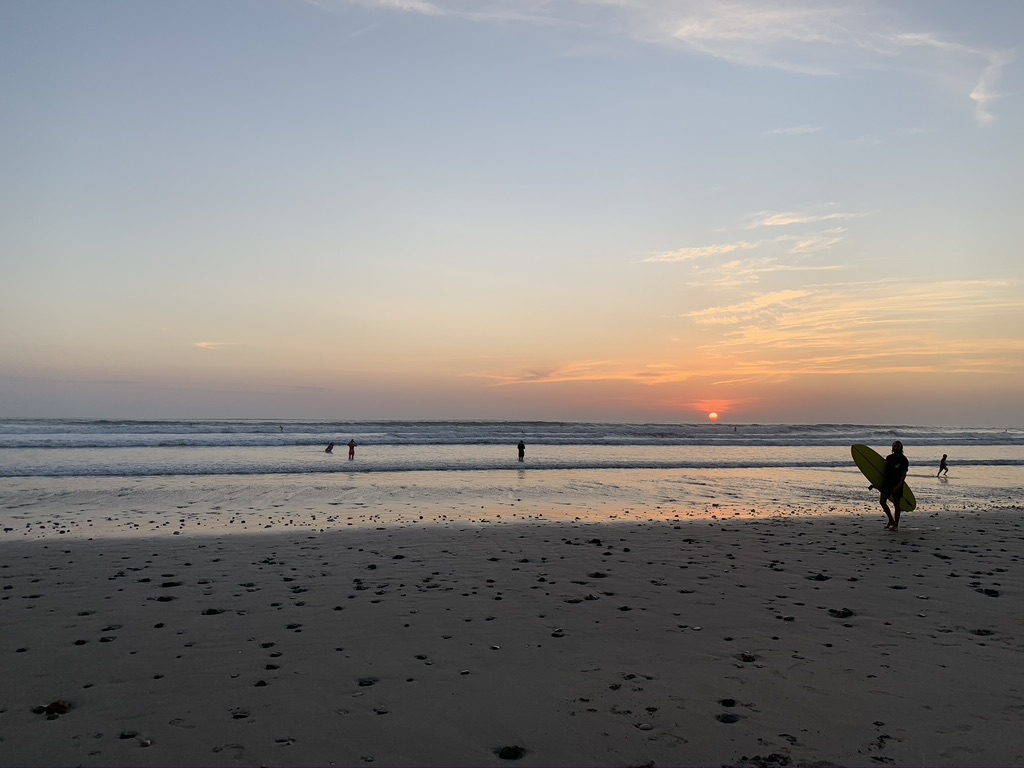
Do not expect nightclubs or raves in Santa Teresa. Instead of this, you will find quite a few good beach parties and campfires on the beach, either after sunset or a little later in the evening. There are events happening weekly at La Lora Amarilla, Banana Beach, and Rancho Itauna.
Day 9: Montezuma
Start the morning overlooking the ocean or jungle during a yoga class. Santa Teresa has several fantastic yoga studios that offer lessons and retreats for you to join. You can get lessons at Selina South, Horizon, and Believe.
Next you have two options depending on how you want to spend your day:
- Day trip to Montezuma with a return to Santa Teresa for the night – if waterfalls and small fishing towns aren’t your thing you can even decide to spend the whole day in Santa Teresa and skip Montezuma
- Leave Santa Teresa, and travel to Montezuma Waterfall, night in Montezuma
Travel to Montezuma takes 2.5-3hrs one way by bus (through Cobano) or 30 minutes by car if you’re lucky to hitch a ride. Therefore how you decide to spend this day (and night) depends on how you’re able to manage your time.
Note: We decided for option 2 (and hitched a ride) therefore this itinerary will continue with that. If you take the 6a.m. bus ($4) from Santa Teresa to Cobano and then to Montezuma you’ll arrive in Montezuma at 8:10a.m. The next bus from Santa Teresa is at 8a.m.
Montezuma, a bohemian town, once a fishing village, has a real off-the-beaten path feel to it unlike Santa Teresa. It has a population of only 500 people, making it not uncommon to be the only one on one of the local beaches.
The town of Montezuma is located on the edge of the tropical jungle surrounded by high cliffs. Many rivers and streams form natural swimming basins and waterfalls that make you feel even closer to the nature of the jungle. We got to experience one of these special places, the Montezuma waterfall.
After hopping out of the car in Montezuma town we dropped off our bags at our hostel and walked 10 minutes to the trailhead of Montezuma Waterfall. The “hike”, if you can even call it that, is very short and easy, and you have to pass many smaller falls, jump over water basins, and climb up rocks using hanging ropes. 15 minutes later, you’ll arrive at the main waterfall. Be sure to take a dip!
After, head back into town and have a bite to eat at one of the places located along the main road; we recommended Playa de los Artistas. After your belly is full it’s time to set off on a little beach adventure. The Montezuma shoreline is lined with a multitude of beaches, each even more beautiful than the next, if you continue walking passed 4 to 5 other beaches for around 40 minutes, you’ll reach the best secluded beach Playa Grande. The beach was really pristine; pure white sand, clear blue water, and the shore, lined with tall lush trees and jungle.
Alternative to the beach walk: If you prefer more serious hiking then head to Cabo Blanco Nature Reserve instead. The park is open from Wednesday to Sunday, 8a.m. – 4p.m. and the entrance fee is $12. Buses leave to the park from Montezuma at 8:15a.m., 10:15a.m., 12:15p.m. This was Costa Rica’s first national reserve and its creation helped to shape the country’s conservation efforts. Besides being an important part of history, there is abundant wildlife to see. The forest provides refuge to a large variety of animals like white-tailed deer, pacas, armadillos, anteaters, howler and capuchin monkeys, coyotes, porcupines, raccoons and coatis. At the end of the trail, you’ll also find a remote beach where you can take a dip to cool off after the long hike.
Recommended accommodation: Luz en el Cielo Eco-B&B/Hostel ($24/bed in 6 bed dorm incl. breakfast & tax)
Day 10: Travel to Manuel Antonio
How to get from Montezuma to Quepos?
- Montezuma to Cobano; 6:20am, 8am, 10am, 12pm, 2:20pm ($3, 30mins)
- Cobano to Paquera; 6:50am, 10:30am, 12:30pm, 2:45pm, 4:30pm ($2, 1.5hours)
- Paquera to Puntarenas; 9a.m., 11a.m., 2p.m., 5p.m. ($2, 1hour)
- Puntarenas to Quepos; 10a.m., 12p.m., 3:30p.m., 4:30p.m., 5:30pm ($5, 2.5hours)
Note: We took the 6:20am bus from Montezuma and caught the 10a.m. bus from Puntarenas arriving at around 12:30p.m. in Quepos.
The town of Quepos could be described as the gateway to Manuel Antonio National Park. Quepos has a great selection of restaurants, bars, and souvenir shops. The streets of Quepos are easy to walk, with a mix of local shops, markets, and cafes. It is definitely cheaper and has a more local feel than the more expensive, touristic area closer to Manuel Antonio National Park.
From the main road leading from Quepos to Manuel Antonio wave down the local bus that goes regularly between the two areas. The journey takes approx. 15 minutes and costs 350₡pp. Spend the rest of the day at Playa Espadilla beach, a white sand, free public beach surrounded by palm trees and with a view on Manuel Antonio Park. It’s perfect for relaxing or taking up surfing!
Recommended accommodation: Hostel Plinio (16$/bed in 8 bed dorm incl. tax & breakfast) – Refreshing pool, clean kitchen, good wifi, big wooden dorm rooms w/ lockers and bathroom, lots of books, great chilling area (sofas, hammocks)
Day 11: Manuel Antonio
Start your day, by busing to Manuel Antonio National Park the same way as the day before (check out from your hostel and store your luggage). The park is open 7a.m. to 4p.m. (closed on Tuesday), admission costs ≈$18 and you must buy your ticket in advance on the SINAC website with a chosen entrance time (bring water, your swim stuff and a camera; no food, drones, cigarettes allowed). You can visit Manuel Antonio National Park with a guide or without a guide (we opted for self-guided). The hiking trails wind through virgin rainforest and over crystal-clear creeks.
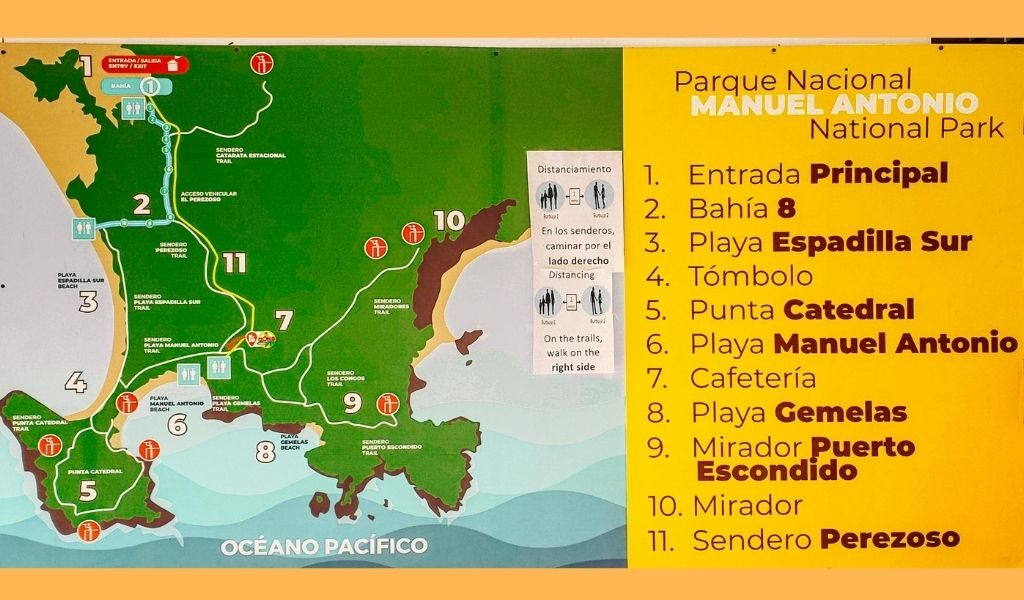
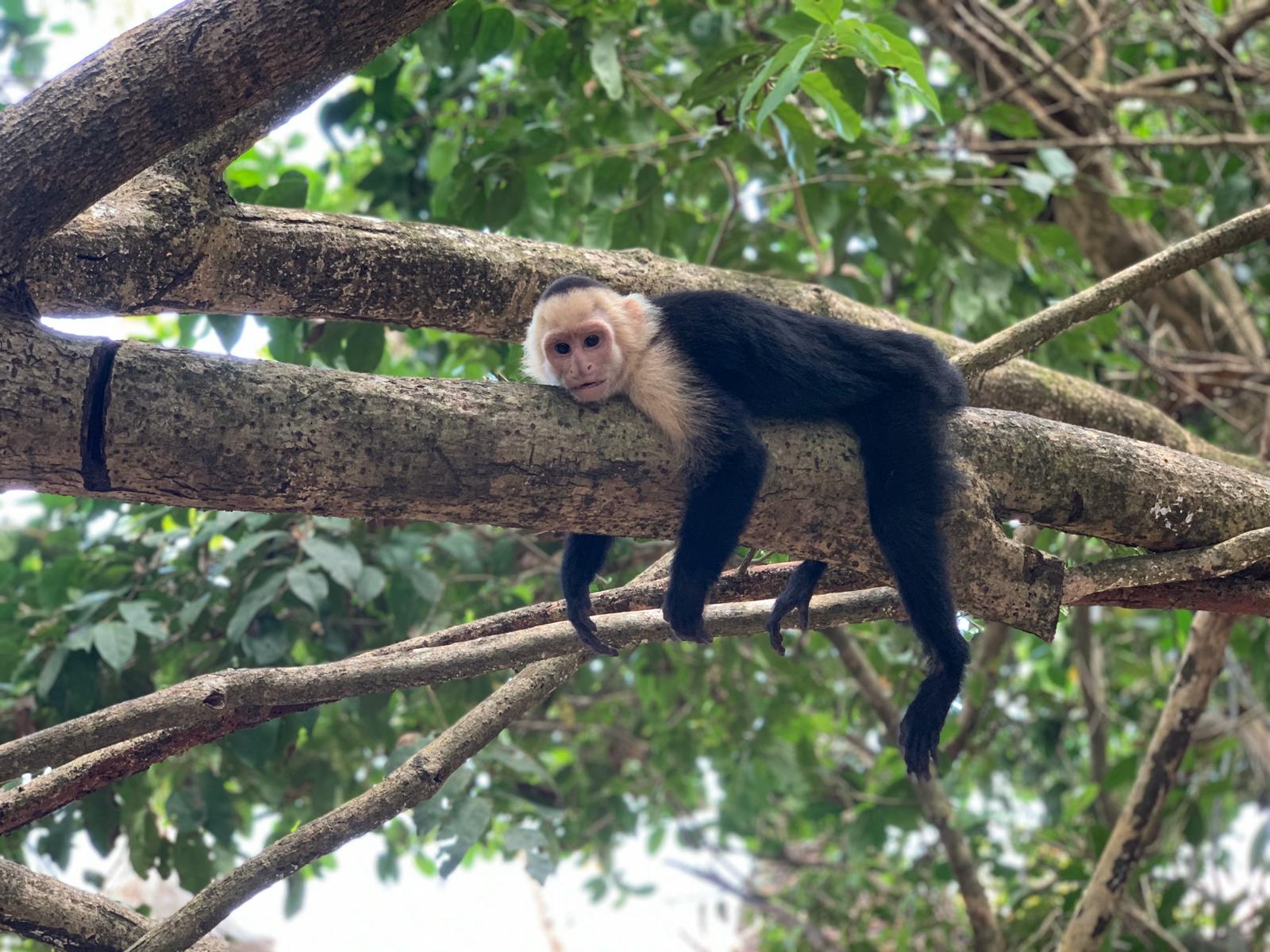
You will spot multiple monkey species on the trail (especially capuchins trying to steal your things), as well as sloths, coatis, toucans, and iguanas. For more information about animals in Costa Rica read our blog Top 5 Animals in Costa Rica. The national park also has two beautiful beaches that you can relax and swim at once you’ve enjoyed the trails. After you’ve explored the whole park, head back to your hostel to pick up your luggage and head to the bus terminal.
How to get from Quepos to Uvita by bus?
Quepos to Uvita: 6a.m., 9:30a.m., 2:30p.m. and 5:30p.m. (2 hours)
Note 1: We took the bus at 5:30p.m. and arrived around 7:30p.m. in Uvita (in front of the Pacifico Supermarket).
Note 2: Most accommodation in Uvita is located a bit up the hill, which will mean a walk uphill with your luggage. Depending on where you are staying, you might want to take advantage of the “cooperativo taxi”; local guys outside the Pacifico Supermarket offering rides for a small fee ≈$3.
Recommended accommodation: Cascada Verde hostel (≈$30 private room) – Amazing treehouse hostel located next to Uvita waterfall
Day 12: Uvita
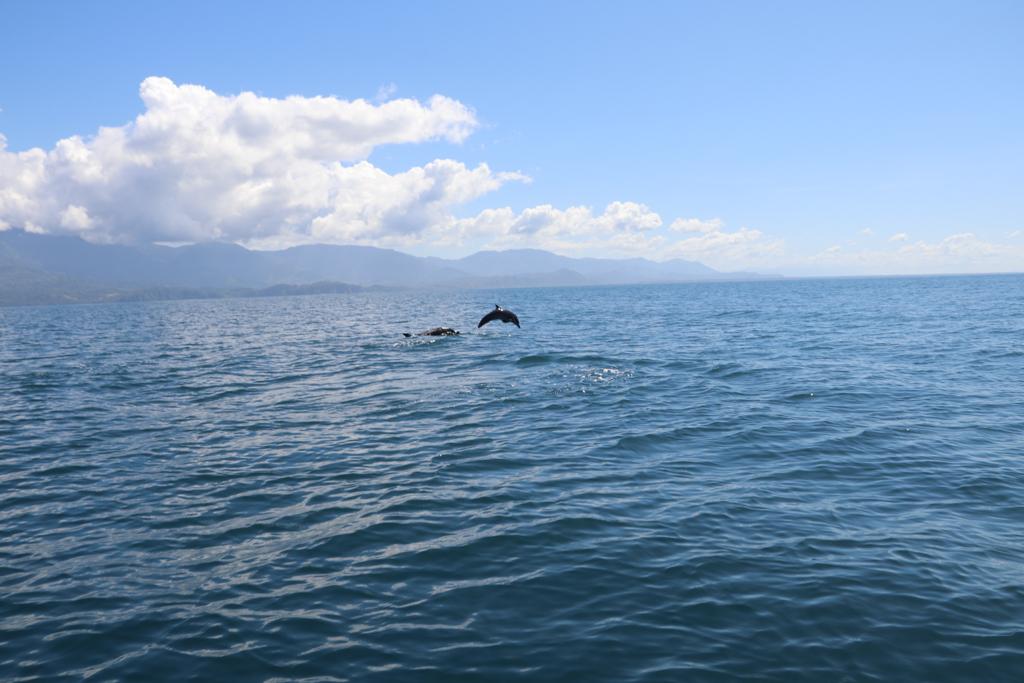
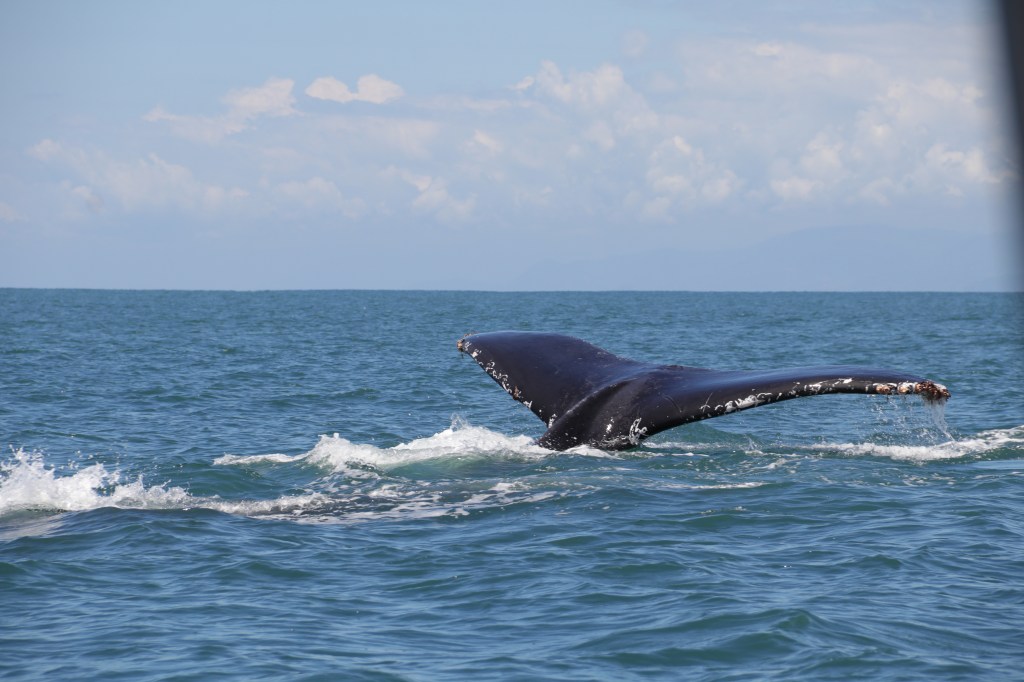
Mario Ballena National Park was founded to conserve the abundant marine life in this coastal region of Puntarenas Province. The park attracts tourists from all around the world due to the famous “whale tail”, a surprising yet natural rocky sandy formation in the shape of a whale’s tail, around which humpback whales can be spotted between December and March as well as August and October. In addition to the humpback whale, species like the spotted dolphin, bottlenose dolphin, manta ray, hammerhead sharks, parrotfish and mackerel can be spotted.
The Whale spotting & snorkeling Tour departs from Punta Uvita around 8:30am and visits the great snorkelling treasures of the National Park: reefs of Ballena Island, Tres Hermans Islets and the Punta Uvita or Whale’s tail. This type of tour is offered by many hostels cooperating with local tour agencies, so its best to find out information directly from your hostel, especially about the probability to see whales. The price is ≈65$ and includes the park entrance of 6$. During the snorkelling, you can find parrotfish, butterflyfish, blue surgeonfish, and a great number of starfishes at a depth that ranges from 1 to 3 meters. However, of course the main attraction of the tour is trying to spot the humpback whale!
The tour lasts approx. 3.5 hours, after which you can opt to spend the rest of the day at Uvita Beach and walk onto the whale’s tail (after all your tour includes the park entrance fee already). If you prefer to continue spending the rest of the day in an active way, then Cascada Verde waterfall and other waterfalls in the Bamboo Forest area are a must. Hike up the hill, or take the cooperativo taxi and pay the small entrance fee of 1500colones to enjoy this natural waterfall (that you can even slide down, if you dare!).
Day 13: Dominical
Start today’s adventure early by catching the 6am bus toward San Isidro (bring your luggage), to discover Nauyaca Waterfalls. Get off at Nauyaca Waterfalls office (≈ 40mins) and choose the way you’d like to get to the falls (you can store your luggage). If hiking, the cost to get to Nauyaca Waterfalls by foot is $9. You can also buy any of their tours to the waterfalls, including horse-ride or 4×4 tours. The hike is 6km to the waterfall, and 6km back on the same route (≈ 3hrs roundtrip). The waterfalls themselves are absolutely beautiful, and worth every step of the hike. There are two waterfalls feeding into each other, one which you can swim in, both of which are absolutely awe-inspiring.
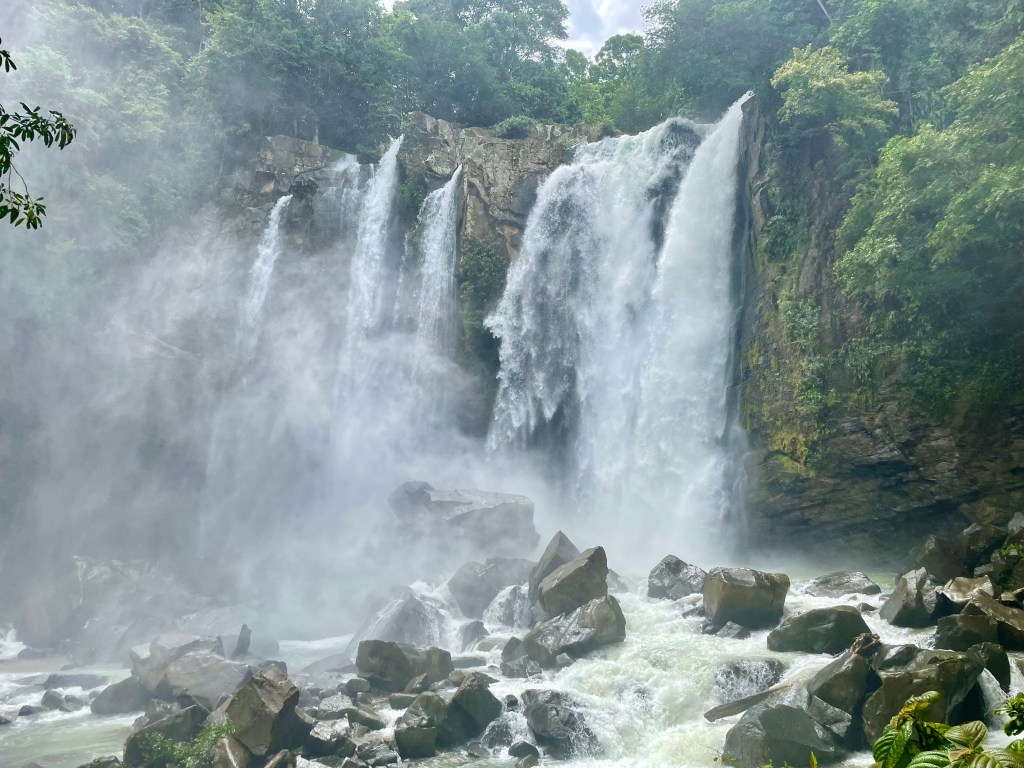
After your hike take the 12:15p.m. bus from the office to Dominical ($0.60; 20 minutes). Walk around the surf town of Dominical until you have to catch your bus to San José.
How to get from Dominical to San José by bus?
- Dominical to San José: 5:45a.m., 1:30p.m. (4.5 hours)
Day 14: Departure from San José
It’s time to say Adios to the “rich coast” and head home on your international flight. Take the public bus or uber to Juan Santamaria International airport.
 Two Shoulder Straps
One response to “Itinerary #1: Best of Costa Rica”
[…] If you want to experience a bit of everything of what Costa Rica has to offer, then this two-week itinerary by bus is for you. You’ll visit San José, Tortuguero National Park, the towering Arenal Volcano, Monteverde’s cloud forest, and the remote beaches of Guanacaste. There will be plenty of activities to choose from along the way: visit the most famous national parks, experience all the adventure activities, soak in some sun on the Pacific or Caribbean beaches, and view an abundance of exotic wildlife. Discover the best of Costa Rica! … […]
LikeLike